For years, the job search conversation was one-sided. Companies posted openings, candidates applied, and employers held all the leverage. However, that dynamic has flipped — and if you’re job hunting right now, this article will provide you with a few ways to even the playing field and says YES to the job.
Here’s the truth I share with every leader and job seeker I coach: the best hire is the one who chose you as much as you chose them. And the best job is the one you chose with your eyes wide open. That means doing the same due diligence on a potential employer that they’re doing on you.
Most candidates already know this instinctively. Research shows that a large majority of job seekers check employer ratings before applying, and roughly half will walk away entirely if the reviews are poor. According to Glassdoor, 86 percent of candidates check reviews before applying, 71 percent improve their view of a company when the employer responds, and 55 percent walk away if the rating is poor.
That’s not paranoia — that’s smart. You wouldn’t buy a car without reading the reviews first. Why would you hand over 40+ hours a week of your life without doing the same?
 Be our guestYour next big opportunity could be in a room you're not in.Meet CEOs, founders and owners at a reception in your city or online. Your first event is on us.Request my guest seat →
So how do you actually evaluate a company before you sign an offer letter? Here’s my framework.
1. Read Between the Lines of Employee Reviews
While Glassdoor, Indeed, and LinkedIn reviews aren’t gospel, patterns matter. One angry review means little. Ten reviews describing the same issue — burnout, a revolving door in leadership, broken promises about growth — means everything. Pay special attention to how leadership responds to negative feedback. A company that engages thoughtfully with criticism is signaling something very different than one that stays silent or gets defensive.
2. Ask About Turnover, Not Just Culture
Every company will tell you their culture is “fast-paced” and “collaborative.” Those words are meaningless without context. Instead, ask direct questions in your interviews:
- How long has this role been open?
- Why did the last person leave?
- What does the team’s tenure look like?
Leaders who are confident in their retention will answer without flinching. Leaders who dodge the question are telling you something too.
3. Take the Job Posting Itself Seriously
A shocking number of job seekers now go digging for more information after reading a single job post, because the post alone rarely tells the real story. Look at how the role is described. Is it a laundry list of unrealistic requirements for one person to own? Is the compensation range transparent, or vague and wide? Salary transparency isn’t just a nice-to-have anymore. Its absence is one of the top frustrations candidates report, and for good reason: it’s often the first sign of a company that isn’t ready to have honest conversations with its people.
According to a Monster.com report, 60 percent of job seekers say they will not apply for a posted position that does not include a salary range.
4. Weigh Flexibility Like the Real Benefit It Is
The return-to-office push hasn’t slowed the demand for flexibility — if anything, it’s intensified it, and flexibility remains one of the most influential factors in how people choose where to work. Almost half of workers state they would start looking for a new job or consider leaving if their employer completely eliminated work-from-home or hybrid flexibility.
Here’s one thing to know — don’t just ask “is this hybrid or remote?” Ask how flexibility actually functions day to day. Is it written policy, or does it quietly disappear the moment a new VP starts? The answer tells you whether the company’s stated values match its lived ones.
5. Notice How You’re Treated in the Process Itself
This is the one many candidates underestimate the most: the interview process is a preview, not a formality. Ghosting after interviews has become alarmingly common, and it’s not just poor manners — it’s a leading indicator of how a company treats people once they’re inside the walls too. If communication is slow, disorganized, or dismissive before you’re hired, it will not magically improve after you accept the offer. Notice who shows up late, who fails to follow up, who can’t answer a straightforward question about the team you’d be joining.
6. Look Past the Base Salary
Compensation matters and don’t let anyone tell you otherwise. The majority of job seekers, and an even larger share of younger workers, say non-monetary benefits weigh heavily in their decision too. Nearly half, 49 percent, of all US job seekers explicitly look for “better benefits” when hunting for a new position. It ranks as the second most common motivator nationwide, trailing only higher pay.
Growth opportunities, manager quality, and psychological safety compound over years in ways a signing bonus never will. Ask yourself not just “can I afford to take this job” but “can I afford, professionally and personally, to stay here for three years?”
The Bottom Line
Choosing where to work is one of the highest-leverage decisions you’ll make — for your career trajectory, your mental health, and honestly, your bank account. Treat it with the same rigor you’d expect an employer to apply when choosing you. Ask hard questions. Read past the highlight reel. And remember: a company unwilling to be transparent with you as a candidate is unlikely to become transparent with you as an employee.
You are not just filling a seat. You are choosing where you’ll spend a significant chunk of your life. So, before you say ‘YES’ to the job, choose deliberately and do so with intention.
Learn more about Simon Says HR.
Opinions expressed by C-Suite Network contributors are their own.
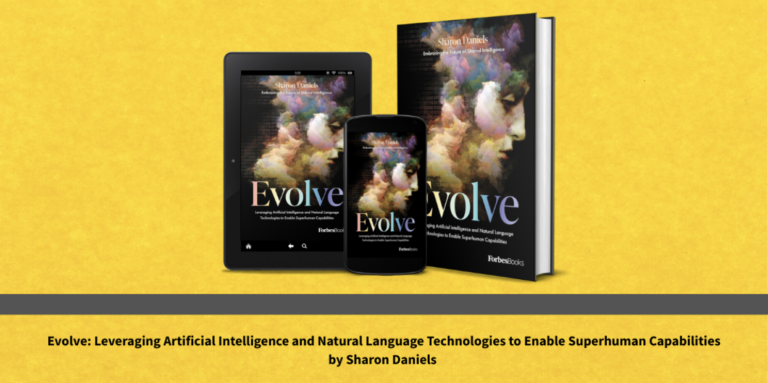 The CEO Who Built a Company Around Language Just Wrote the Book That Explains Why Language Is the Most Important Technology in Human HistoryBy Michael Beas
 Medigap Medicare Supplement InsuranceBy Jeffrey Cline
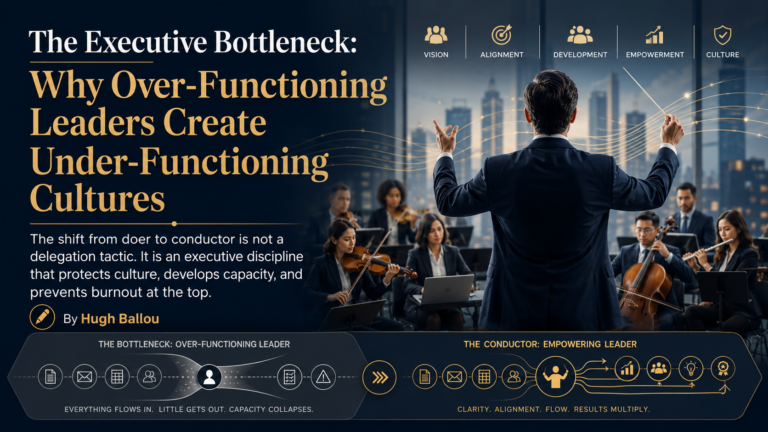 The Executive Bottleneck: Why Over-Functioning Leaders Create Under-Functioning CulturesBy Hugh Ballou
 C-Suite TV · 23 minWho Owns Your Health Data? Building Trust in the Future of Healthcare with Deborah Bussière
 C-Suite Radio · Unshelling Medicine: Self Care Benefits and Mental Health Tips for Healthcare Recipients 💊🩺Have You Lost Yourself to Caregiving?With Linda PernialUMP 74
 Chairman's Corner · Jeffrey HayzlettYour Best Performer Might Be Your Biggest Problem. And It’s Contagious.
Meet the founders, CEOs and operators behind stories like this one.
Attend as a guestMembership: $100/mo →