The quick take:
- Why it matters now: Toys “R” Us is opening about 120 new U.S. stores for the holidays, eight years after closing every one. Most people assume Amazon killed it the first time. That’s only part of the story.
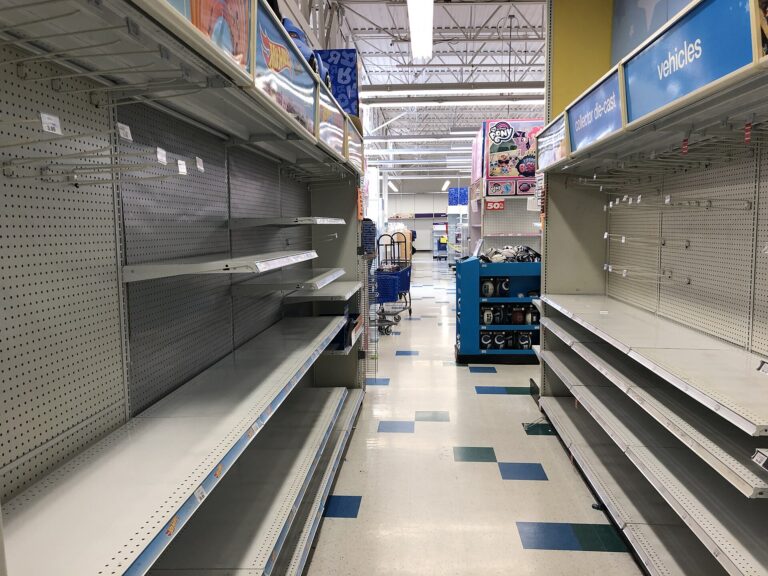
- What really sank it was a 2005 debt-financed buyout that left about $400 million a year going to interest while stores, staff and the website were cut.
- This time it’s built the opposite way: a brand name rented out to a pop-up operator, small stores and leases of 12 months or less. That fixes the debt problem. It doesn’t answer why anyone should shop there instead of Target or Amazon.
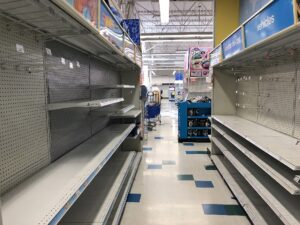
Toys “R” Us is coming back, again. Its owner plans to open about 120 standalone stores for the holidays, bringing the total to roughly 160, Fast Company reported. Some will have cafes, candy shops and “Creator Studios” where toy brands and influencers can host events.
If your first thought is “didn’t Amazon already kill these guys?”, you’re not alone. Here’s what actually happened, and what’s different this time.
Amazon Didn’t Kill Toys “R” Us. Debt Did Most of the Work.
In 2005, private equity firms Bain Capital and KKR, along with real estate firm Vornado, bought Toys “R” Us for $6.6 billion. Like most buyouts of its kind, it was paid for largely with borrowed money, and the company itself had to carry the debt. That left Toys “R” Us with “a $5.2 billion albatross of debt around its neck,” Fortune reported, and interest payments of about $400 million a year.
 Be our guestYour next big opportunity could be in a room you're not in.Meet CEOs, founders and owners at a reception in your city or online. Your first event is on us.Request my guest seat →
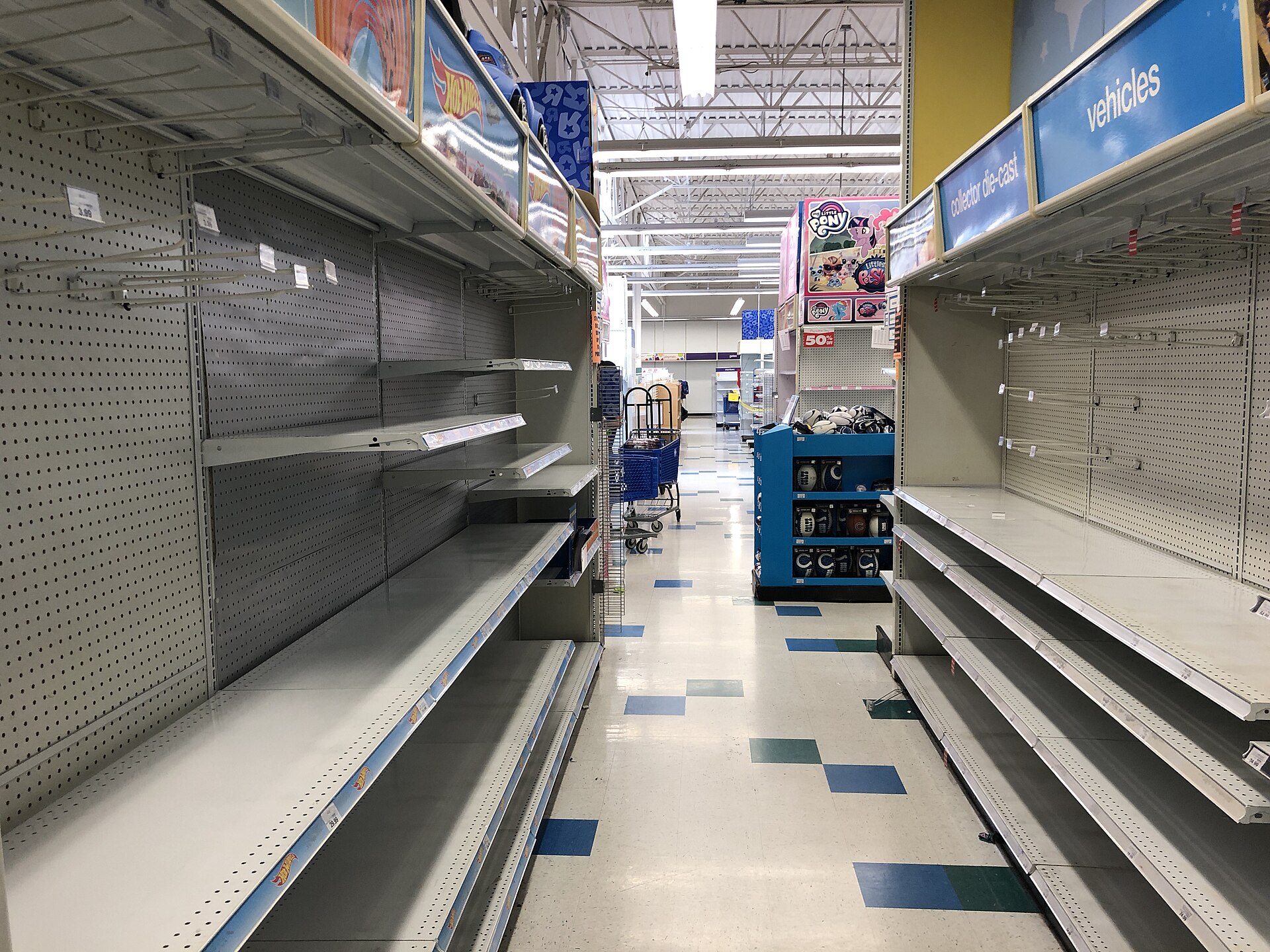
That money had to come from somewhere. “They used to buff stores once a week, then went to every two weeks, then once a month,” a former employee told Retail Dive. Some 40,000-square-foot stores ran with two or three employees. One manager said the website “couldn’t physically process” 6,000 orders during Cyber Week.
Yes, Amazon, Walmart and Target were taking toy sales. Fortune wrote that online shopping “delivered the final push into bankruptcy.” But a company spending $400 million a year on interest couldn’t afford to fight back. In March 2018, Toys “R” Us said it would close or sell all 735 U.S. stores, CNN reported.
The New Toys “R” Us Owns Almost Nothing. That’s the Point.
The brand is now owned by WHP Global, a brand-management company that also oversees names like Vera Wang and Express, the Boston Globe reported. It isn’t rebuilding the old chain. It’s partnering with Go! Retail Group, a company known for seasonal pop-up shops, to open smaller stores, like a 5,000-square-foot location near Boston. “Most leases are for up to 12 months,” Go! Retail Group’s Alex Winkelman said.
Read that again. The old Toys “R” Us carried billions in debt and giant stores. The new one is a famous name on short leases. If a store doesn’t work, it can walk away after a year.
The timing helps. U.S. toy sales rose 17% in the first half of 2026, according to market research firm Circana, and teens and adults drove nearly 60% of the industry’s growth, the Globe reported. Millennials who grew up with Geoffrey the giraffe now have kids, and some collect toys themselves.
So Does It Have a Chance?
The skeptics aren’t subtle. “I believe this venture by [Toys “R” Us] and WHP is going to be a colossal failure,” retail consultant Doug Stephens told the Globe. His point: Toys “R” Us was always basically a big box of toys, and most of the toys driving sales today are sold everywhere, from Amazon to the corner specialty shop.
That’s the real question. The new model fixes the problem that killed the old company. It doesn’t yet answer the problem that would have killed it anyway: why drive to Toys “R” Us for the same Lego set Target and Amazon already sell. Nostalgia gets people in the door once. Something else has to bring them back.
The smart part is that WHP doesn’t have to bet the company to find out. Twelve-month leases make this a test, not a promise.
Before Your Next Meeting
Here’s what this means for your business:
- Is your biggest risk the market, or a payment you already owe? Amazon got the blame, but about $400 million a year in interest left Toys “R” Us unable to fix its stores. What fixed cost would stop you from responding if a competitor came after you tomorrow?
- Can you test your next big move with a short commitment? The new Toys “R” Us is opening on leases of 12 months or less. Before you sign a long lease, loan or contract, is there a version you could try for a year first?
- Why would a customer choose you if your name were covered up? Analysts say most of the toys selling today are available everywhere. If customers couldn’t see your brand, what would still make them pick you over the big guys?
 The Boardroom Needs the Ground: By Mark Madrid
 How Fractional Executives can Help Your Company Thrive: Key FactsBy Paul Whitley
 Revenue Fixes a Lot: What Business Leaders Get Wrong About Sales, Tools, and PerformanceBy Lisa L. Levy
 C-Suite TV · 23 minRetire from Management, Not from Income: Tax-Smart Investing with Ray DeWitt
 C-Suite Radio · Epic Real Estate InvestingSupreme Court Lets Utilities Take Your Land. Your Bank Flags You in Secret.
 Chairman's Corner · Jeffrey HayzlettYour Best Performer Might Be Your Biggest Problem. And It’s Contagious.
Meet the founders, CEOs and operators behind stories like this one. Next reception: NYC Executive Reception, Tue, Nov 24.
Attend as a guestMembership: $100/mo →