The quick take:
- Why it matters now: on Oct. 1, Fortune published an investigation into Red Lobster’s Endless Shrimp deal, as creditors sue the chain’s former owner, which was also one of its biggest shrimp suppliers. Owners are setting holiday promotions right now.
- The public story is that a $20 all-you-can-eat deal bankrupted Red Lobster. Court filings tell a different one: the CEO who forced it through was put in place by the shrimp supplier, and the supplier ended up with more of the shrimp business.
- The lesson: before you sign off on a promotion, ask who profits from the volume. Sometimes the person pushing the deal isn’t on your side of the table.
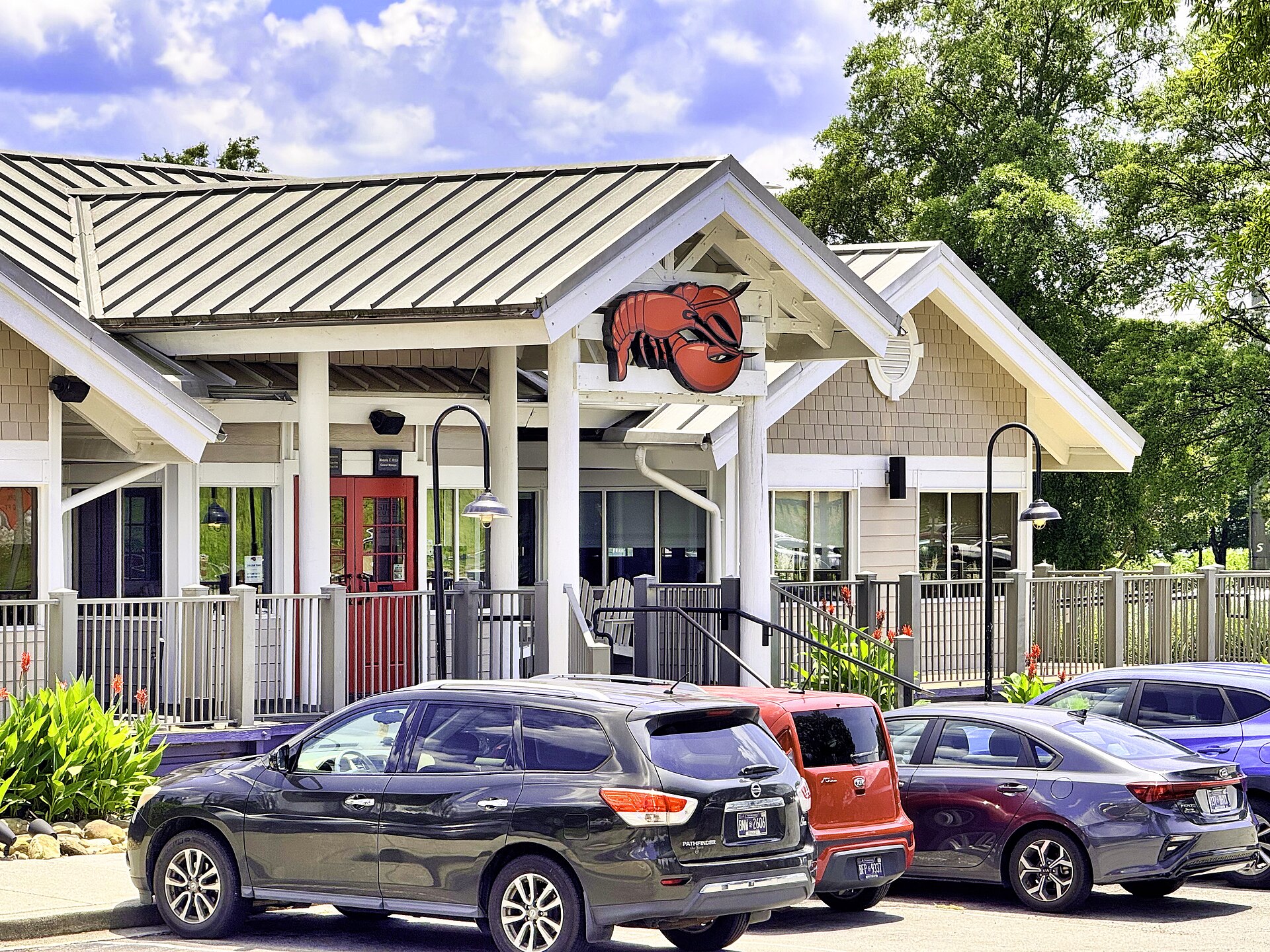
Everybody remembers the headline: Red Lobster went bankrupt because it let customers eat unlimited shrimp for $20. It’s a great story. It’s also not the whole one.
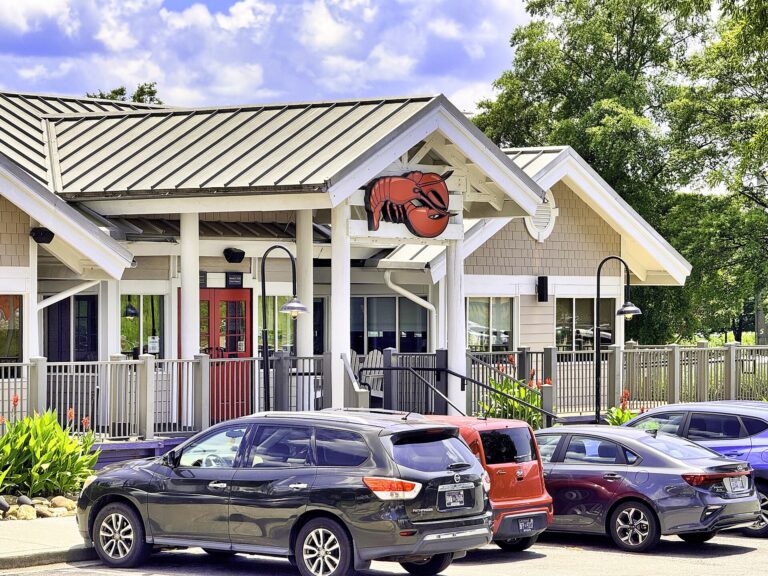
On Oct. 1, Fortune laid out what the court fight is really about. A trust representing Red Lobster’s creditors is suing Thai Union, the seafood giant that controlled the chain, along with former executives. The trust argues Endless Shrimp wasn’t just a bad promotion but a scheme to make Red Lobster buy more shrimp from Thai Union. Thai Union calls the suit “a cynical attempt by Red Lobster to blame one of its former owners and suppliers.”
The Owner Was Also the Shrimp Supplier
Here’s the part most coverage skipped. Thai Union bought into Red Lobster in 2016 and later became its controlling owner. It was also selling Red Lobster a lot of its shrimp.
 Be our guestYour next big opportunity could be in a room you're not in.Meet CEOs, founders and owners at a reception in your city or online. Your first event is on us.Request my guest seat →
In 2022, Paul Kenny became Red Lobster’s acting interim CEO “at Thai Union’s direction,” according to the chain’s bankruptcy filing, as reported by SeafoodSource. The creditors’ suit describes Kenny as a Thai Union employee and calls Thai Union’s people inside the chain its “boots on the ground,” Nation’s Restaurant News reported.
Read that again. When Red Lobster decided how much shrimp to give away, the company selling the shrimp had a seat at the head of the table.
The CEO Overruled His Own Team
In May 2023, Kenny “made the decision to add UES as a permanent $20 item to the menu,” despite “significant pushback from other members of the company’s management team,” Red Lobster’s restructuring chief said in a court filing quoted by Fortune. UES is Ultimate Endless Shrimp. A limited-time deal was now on the menu every day.
The filing said Kenny’s order to Thai Union for the extra shrimp “did not flow through the traditional supply process or bid cycle or adhere to the company’s demand projections.” It said he cut two breaded shrimp suppliers, “leaving Thai Union with an exclusive deal that led to higher costs to Red Lobster.”
The creditors go further. Their suit says Thai Union ended up with 46% of Red Lobster’s shrimp business, that the price of pre-breaded shrimp rose to $4.83 a pound from $4.27, and that the chain made at least $32 million in avoidable purchases, Fortune reported.
Then Customers Did Exactly What the Deal Said
Demand came in at twice the forecast. “We were expecting an increase of 20% in customer traffic, but the actual number was up to 40%,” Thai Union CEO Thiraphong Chansiri said, CNN reported. Thai Union’s CFO said “the proportion of the people selecting this” promotion “was much higher compared to expectation,” according to FOX 29.
Red Lobster raised the price to $22, then $25. The deal still cost the chain $11 million, CNN reported. Thai Union later said it would sell its stake and take a $530 million loss on the investment.
What Thai Union Says, and What Else Went Wrong
Thai Union disputes the facts and has asked the court to dismiss the case. It points to an outside investigation by the law firm Weil, Gotshal & Manges that found no viable claims against management, except a possible gross negligence claim against Kenny over the $20 launch, Fortune reported. Trial is set for early 2028 unless the case settles.
And shrimp wasn’t the biggest bill. After a private equity firm bought Red Lobster in 2014, it sold the land under more than 500 restaurants and leased it back, with rent rising 2% a year, Fortune reported. By 2023, Red Lobster was paying about $190.5 million a year in leases. The $11 million promotion landed on a business with no room left for a mistake. Red Lobster filed for bankruptcy in May 2024.
Before Your Next Meeting
Here’s what this means for your business:
- Who makes money when your promotion takes off? At Red Lobster, the creditors say the more shrimp customers ate, the more the chain bought from its own owner. When you run a big deal, does any vendor, partner or employee get paid on the volume?
- Do big orders still go through your normal process? The bankruptcy filing said the extra shrimp order skipped the usual bid cycle and demand forecast. When someone senior wants something fast, who checks the price?
- What happens if the deal works twice as well as you planned? Red Lobster expected 20% more traffic and got 40%, and lost money on it. If twice as many customers take your holiday offer, do you make more money or less?
 Revenue Fixes a Lot: What Business Leaders Get Wrong About Sales, Tools, and PerformanceBy Lisa L. Levy
 Five Questions to Ask Before You Hire an Experiential Marketing AgencyBy Sheila Rondeau
 The CEO Who Built a Company Around Language Just Wrote the Book That Explains Why Language Is the Most Important Technology in Human HistoryBy Michael Beas
 C-Suite TV · 26 minTurning Passion Into Profit: Brandon Steiner on Sports, Storytelling & Building a Collectibles Business
 C-Suite Radio · Crunching Your Growth – Growth ClassBeverage Dispensing Innovation: Maximizing Profitability Through Smarter Systems with Tony Lane
 Chairman's Corner · Jeffrey HayzlettThe Typical Small Business Still Sells for Less Than a House. Wall Street Just Figured Out Why That’s a Bargain.
Meet the founders, CEOs and operators behind stories like this one. Next reception: Fort Worth Executive Reception, Tue, Nov 17.
Attend as a guestMembership: $100/mo →