The quick take:
- In September, an Arizona general contractor pulled its licenses and pointed to bankruptcy. Its electrical sub, A&M Electric, says it’s owed $36,657 across about 12 jobs, and the calls stopped getting returned.
- State records already showed more than 150 complaints against the contractor’s companies since 2010, 45 of them since 2024. Most subs never look. Why would you, when the work keeps coming?
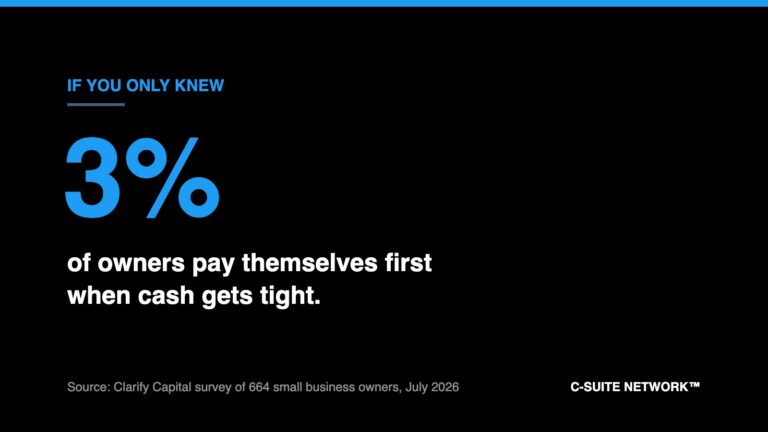
- Why it matters now: 59% of small businesses have invoices more than 30 days overdue, up from 47% a year earlier. If a client has stiffed you, it isn’t because you were naive. It’s because you’re in business.
You did the work. Your crew showed up. You bought the materials, made payroll on Friday and floated the invoice, because that’s how this business works.
Then the checks slowed down. Then the calls stopped. Then the state website said one word next to your client’s name: inactive.
Nine Years In Business. 12 Jobs Unpaid.
Eric McClay and Sarah Amato own A&M Electric, an electrical contractor in the Phoenix area. On Sept. 29, 2026, Holtzman Construction and Holtzman Remodeling, a general contractor they had been doing jobs for, showed up as inactive on the Arizona Registrar of Contractors website. An email to Holtzman employees cited the “company’s bankruptcy filing and permanent business closure,” FOX 10 Phoenix reported. Owner Brandon Holtzman said, “We had a unique and unexpected challenge to our business.”
 Be our guestYour next big opportunity could be in a room you're not in.Meet CEOs, founders and owners at a reception in your city or online. Your first event is on us.Request my guest seat →
“$36,657? Yeah. It’s about 12 jobs that are unaccounted for,” McClay said.
“We’ve been in business nine years and for everybody that’s run a small business, that’s a feat by itself,” the owners said. “It’s of course disheartening that there are people out there that actually do this.”
Nine years of doing it right, and one client can blow a $36,000 hole in your year. Every owner who has floated a job for a client knows that feeling in their stomach.
They weren’t the only ones left holding the bag. Homeowners Richard and Amanda Finley told FOX 10 they had paid far more than the work that got done. “Holtzman has taken $622,000 out of a $900,000 project,” they said, with about $135,000 worth of work completed.
150 Complaints Were Already on File
Here’s the part that stings. Arizona Registrar of Contractors data showed more than 150 complaints filed against Holtzman companies since 2010, and 45 against Holtzman Construction since 2024, FOX 10 reported.
That’s not a knock on A&M. Complaints pile up at plenty of busy contractors that keep paying their subs, and almost nobody pulls the state file on a client that keeps sending steady work. But it’s a free, five-minute check that most owners never run until after they get burned.

Take 50 Cents Now, or 1.5 Cents Later?
When a client goes under, a small vendor is usually an unsecured creditor. That means you get paid after the lenders, if there’s anything left.
Vendors to Grand Slam Track, a startup pro track league, found out exactly what that looks like. The league owed roughly 90 vendors about $8 million. Before filing, it offered to repay half and warned them that in a bankruptcy there “would not likely be any funds available for unsecured creditors such as yourself,” Front Office Sports reported. “At this time I am very hesitant,” said Sean Gavigan, founder of the vendor PrimeTime Timing.
Then the league filed. Under its proposed plan, “the vast majority of vendors would get only 1.5% of what they are owed back,” according to Front Office Sports.
That’s the brutal math every stiffed owner ends up facing: a bad deal now, or maybe almost nothing later. There’s no universal right answer, but it’s a decision to make quickly and with an attorney, not one to sit on.
You’re Not Naive. You’re in the Majority.
Owners rarely talk about the client who didn’t pay. It feels like a personal failure, like you should have seen it coming. The numbers say otherwise.
59% of small businesses have invoices more than 30 days overdue, up from 47% a year earlier, and those who are owed money are owed $17,700 on average, according to QuickBooks’ 2026 late payments report. 39% said one late payment made it hard to cover payroll or bills in the past year, and 26% delayed their own salary.
What Owners Do After They Get Burned
- Run the free check. Before a big job or a new general contractor, look up their license and complaint history with your state contractor board or registrar. It takes five minutes.
- Ask for money earlier. In the same QuickBooks report, 55% of businesses on net-30 terms had overdue invoices, compared with 26% of businesses that require payment up front. Deposits, progress billing and milestone payments shrink how much you’re carrying.
- Watch the behavior, not the promises. Slower payments, shorter answers, a new excuse every week. When a client’s pattern changes, stop extending credit until the old invoices are paid.
- Know your lien rights before you need them. In construction, notice and lien deadlines can be short. Ask a construction attorney now what you’d have to file, and when, if a general contractor stopped paying.
- Move fast. Arizona’s registrar told FOX 10 that “the important thing is to get that complaint filed as soon as possible.” The same goes for your own claim.
And give yourself some grace. Trusting good clients is how you built the business. One bad one doesn’t make that a mistake.
Before Your Next Meeting
Here’s what this means for you:
- Who owes you the most right now? Pull your receivables list today. If one client owes you more than a month of payroll, what happens if they never pay?
- Have you checked your biggest clients? License status, complaint history, court filings. Pick your top five and look this week.
- Who would you call? Know now which attorney you’d call if a client went dark, so you’re not searching for one in the worst week of your year.
 The Boardroom Needs the Ground: By Mark Madrid
 How Fractional Executives can Help Your Company Thrive: Key FactsBy Paul Whitley
 Revenue Fixes a Lot: What Business Leaders Get Wrong About Sales, Tools, and PerformanceBy Lisa L. Levy
 C-Suite TV · 23 minRetire from Management, Not from Income: Tax-Smart Investing with Ray DeWitt
 C-Suite Radio · Epic Real Estate InvestingSupreme Court Lets Utilities Take Your Land. Your Bank Flags You in Secret.
 Chairman's Corner · Jeffrey HayzlettYour Best Performer Might Be Your Biggest Problem. And It’s Contagious.
Meet the founders, CEOs and operators behind stories like this one. Next reception: NYC Executive Reception, Tue, Nov 24.
Attend as a guestMembership: $100/mo →