The quick take:
- Why it matters now: Black Friday is days away, and every retailer is deciding how deep to discount. JCPenney once tried to quit discounting cold.
- In 2012, its new CEO killed coupons and constant sales in every store at once. Sales fell 25% that year, and he was out after 17 months.
- The lesson: he never tested it. Pilot any pricing change before you bet the whole company on it.
Black Friday is days away. Right now, retailers everywhere are locking in their holiday discounts, and plenty of owners are asking a quiet question: have we trained our customers to never pay full price?
JCPenney’s CEO asked that question once, and decided to stop the cycle overnight. It’s one of the most studied pricing mistakes in modern retail, and it’s worth rereading before you set your holiday prices.
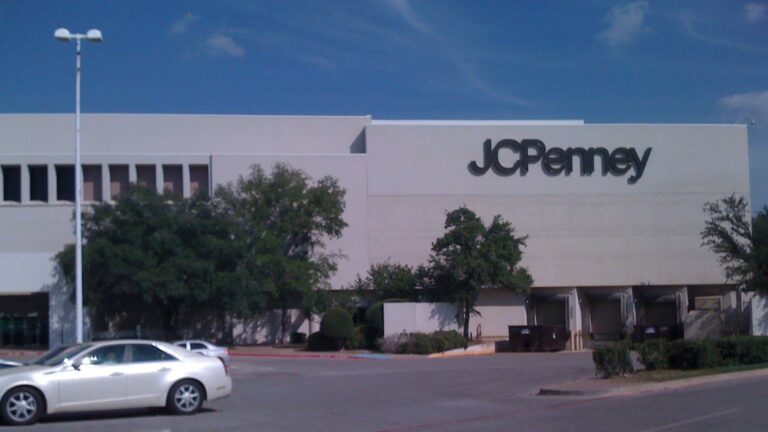
In late 2011, JCPenney hired one of the most celebrated retail executives in America. Ron Johnson had helped build the Apple Store, the most famous retail success of its era. If anyone could fix a tired department store chain, it was him.
 Be our guestYour next big opportunity could be in a room you're not in.Meet CEOs, founders and owners at a reception in your city or online. Your first event is on us.Request my guest seat →
Seventeen months later, the board fired him. Sales had fallen by a quarter, and the company was bringing back the exact thing he had tried to kill.
The Diagnosis Was Right
Here’s what makes this one painful: Johnson wasn’t wrong about the problem. JCPenney had trained its customers to never pay full price. In the year before he arrived, the company ran “590 unique promotions” in 365 days, he told analysts. Less than 1% of sales happened at full price. More than 90% of purchases were at 40% off or more, The Dallas Morning News reported.
Johnson called it “diseased pricing.” Prices were marked up just so they could be marked down. “No one is buying at regular prices,” he said. “The consumer is smart.”
His fix, launched in early 2012, was called “Fair and Square.” No more coupons, no more endless sales. Just honest everyday prices, a few monthly deals and clearance. A $7 T-shirt was a $7 T-shirt.
The Mistake: No Test, Every Store, All at Once
What Johnson didn’t do was find out how JCPenney’s actual customers would react. According to reporting from The New York Times, cited by Engadget, an executive who wanted to try the plan in a few stores first got this answer: “We’re not going to test it, we’re going to roll it out.”
It turned out JCPenney’s shoppers didn’t just like low prices. They liked the hunt. The coupon in the mailbox, the sale sticker, the feeling of a deal. “Fair and Square” took away the part of shopping they enjoyed and replaced it with a lecture about honesty.
They stopped coming. For 2012, same-store sales fell 25% and online sales fell 33%. In the fourth quarter alone, sales dropped 28% and the company lost $427 million on an adjusted basis, CNN reported. Johnson admitted the company “made some big mistakes, and I take personal responsibility for these.” Sales events came back in early 2013. In April, the board replaced him with his predecessor.
What Apple Taught Him That Didn’t Transfer
At Apple, Johnson sold premium products at premium prices to people who already wanted them. Nobody waits for an iPhone coupon. JCPenney’s customers were a different crowd with different habits, built over decades. Wharton marketing professor Barbara Kahn put it simply: Johnson “didn’t test any of his ideas to see customers’ response and understanding,” she told Knowledge at Wharton.
That’s the expensive lesson. A strategy that works for one set of customers can fail for another, and the only way to know is to ask the customers you actually have.
Before Your Next Meeting
Every owner eventually wants to change how they price. What would you do?
- You’re sure your pricing is broken. Do you fix it everywhere, or test it first? JCPenney rolled out to every store at once. Where could you try a change with one product line, one location or one group of customers?
- Your customers say they want lower prices. Is that really what they’re buying? JCPenney’s shoppers wanted the deal, not just the price. What do your customers enjoy about buying from you that a spreadsheet wouldn’t show?
- You hired a star from another industry. How much of their playbook fits your customers? Johnson’s Apple instincts didn’t match a coupon-driven crowd. Which of your new leader’s ideas would you test before trusting?
 Revenue Fixes a Lot: What Business Leaders Get Wrong About Sales, Tools, and PerformanceBy Lisa L. Levy
 Five Questions to Ask Before You Hire an Experiential Marketing AgencyBy Sheila Rondeau
 The CEO Who Built a Company Around Language Just Wrote the Book That Explains Why Language Is the Most Important Technology in Human HistoryBy Michael Beas
 C-Suite TV · 26 minTurning Passion Into Profit: Brandon Steiner on Sports, Storytelling & Building a Collectibles Business
 C-Suite Radio · Crunching Your Growth – Growth ClassRegulated Wellness Ecommerce: Growing a THC-Free Brand with Bobby Riganati
 Chairman's Corner · Jeffrey HayzlettYour Best Performer Might Be Your Biggest Problem. And It’s Contagious.
Meet the founders, CEOs and operators behind stories like this one. Next reception: NYC Executive Reception, Tue, Nov 24.
Attend as a guestMembership: $100/mo →