If you want your podcast to sound like a podcast, its got to have structure.
Of course, the big picture kind about where the show fits within your business, but also on a more granular level. It’s individual building blocks, combined into a whole, that make an episode feel polished, intentional, and worth sticking around for.
Some elements are essential for your podcast to make sense. Others are optional, that you can include if they’ll help you reach your goals. (But do keep in mind that the more different segments you have, the more of a recording production lift it is going to be! That can be worth it – but be mindful.)
Let’s start with the core parts that make a podcast episode sound like a podcast episode.
 Be our guestYour next big opportunity could be in a room you're not in.Meet CEOs, founders and owners at a reception in your city or online. Your first event is on us.Request my guest seat →
The Standard Podcast Episode Elements
These are the parts most listeners expect, whether your show is solo, interview-based, panels or anything else.
1. Hook (aka Sizzle Clip or Cold Open)
This comes before your intro and answers one question fast: Why should I keep listening?
It can be:
- A strong clip from later in the episode
- A question you’ll answer
- Teaser or introductory content from you
Best practice: 45 seconds or less.
If nothing interesting happens early, people leave. There’s a lot of shows for them to be listening to.
2. Produced Intro
This is part of your audio branding, and it will be the same every episode. It usually has music, and a voice over (yours or someone else’s!) saying:
This show is for X, and it delivers Y.
You can have a full produced epsiode you or your production team adds to every episode, or you can just add the same content to your hook or welcome. A little music is always nice at the top, though.
Best practice: 30 seconds or less. Clear, repeatable, professional.
3. Welcome
This is your direct welcome to the audience. You can use it to:
- Greet listeners
- Introduce yourself (briefly, if you didn’t in the produced intro)
- Set context for the episode
- Introduce your guest if you have one
You should do this every episode, even if it starts to feel like all you ever do is repeat yourself. New listeners really need the orientation, and old listeners tolerate it if you keep it short.
Best practice: 45–75 seconds. Warm, clear, not rambling.
From pressing play to meaningful content should take no more than 90 seconds. Two minutes max.
4. Main Body Content
This is the main segment of your podcast – your interview, your solo conetnt – whatever your podcsat format is, it makes up the body.
Interview, solo, panel, whatever fits your goals. This is where the value lives.
There’s no perfect length, but data shows the average business podcast lands around 46 minutes. This isn’t a hard and fast rule, and err on the side of shorter if you’re new. (Source: State of Business Podcasting Report, 2025. OneStoneCreative.net/Report)
5. Closing
This is after the main body content where you might have a personal message, a summary of key ideas, an offer or personal goodbye – something that changes with each episode.
This is where you can:
- Share final thoughts
- Make offers and share news
- Tease upcoming episodes
Some shows skip this and go straight into a produced outro. That’s fine too. Some shows just… end. That’s weird.
Best practice: A few minutes max. If you have a big ask or offer, this is the time for it – leave the “ratings and reviews” ask for your produced outro if you’re using one.
6. Produced Outro
A standard sign-off with music that will be the same every episode.
This is where you’ll usually hear:
- Subscribe, rate, review
- A tagline or catchphrase
- Production credits. (Sometimes)
Best practice: ~30 seconds. This will be the last thing people hear.
Optional Episode Elements
These are show parts that you might want to include to acheive specific goals like audience engagement, thought leadership, or content to repurpose. They can be particularly helpful if your show is interview based, but you want a little airtime for yourself and your content.
Ads
Ads can be:
- For your own offers
- Sponsors
- Swaps with other podcasters or causes you care about
Topical Segments
These are different segments you might want to add to acheive specific goals, and get more benefits from every episode.
Popular options include:
- Industry News: It builds authority when you’re the source people turn to for information and commentary.
- Q&A: This is great for audience engagement and to help fill your social media feeds.
- Standard Question or Speed Round: This is really fun with guests – asking many people the same question over the life of your podcast results in some great compilation or repurposing content. And they’re fun.
- Action Steps: Clear, practical takeaways that encourage your audience to actualy do the things you’re talking about – they demonstate your expertise.
- Reviews & Recommendations: When you promote others, you can build goodwill with them while providing valuable information to your audience.
Now, if you have guests, then it usually makes the most sense to record your solo content after the episode – that gives you a chance to create an interesting hook, or robust closing content as well.
Best practice:
- A few minutes each
- Clear purpose for what you
- Consistent placement within the episode
If a segment doesn’t serve your audience or your goals, skip it.
Final Thought
These different parts make up the bones of your podcast episodes, and they should be more or less the same for each episode you release. (Unless you have two different episode types on your roster – then each type of episode should have it’s own bones.)
All things being equal, keeping things simpler will be faster, easier and less expensive to produce. Think about adding extra elements when you have speciifc needs for them – like adding a Q and A segment so you have great sharable content for your TikTok or Reels, or you want to build a lot of relationships with a guest-focuse show, but want to add your own thought eladership with long closings, or commentary segments.
When you have a good structure for each episode, you’ll find that planning, recording and prodcing episodes is much easier and more efficient.
And that means it will be sustainable over the long term.
If you’d like to chat about your podcast’s structure, feel free to reach out for a call! You’ll find my contact info above this post, or the C-Suite Consierge can connect us.
Opinions expressed by C-Suite Network contributors are their own.
 Revenue Fixes a Lot: What Business Leaders Get Wrong About Sales, Tools, and PerformanceBy Lisa L. Levy
 Five Questions to Ask Before You Hire an Experiential Marketing AgencyBy Sheila Rondeau
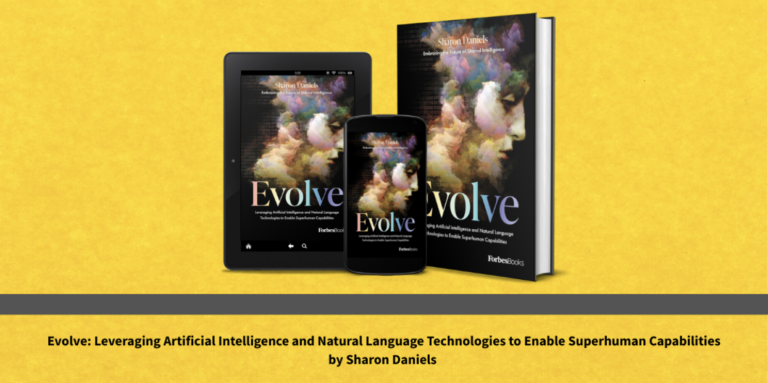 The CEO Who Built a Company Around Language Just Wrote the Book That Explains Why Language Is the Most Important Technology in Human HistoryBy Michael Beas
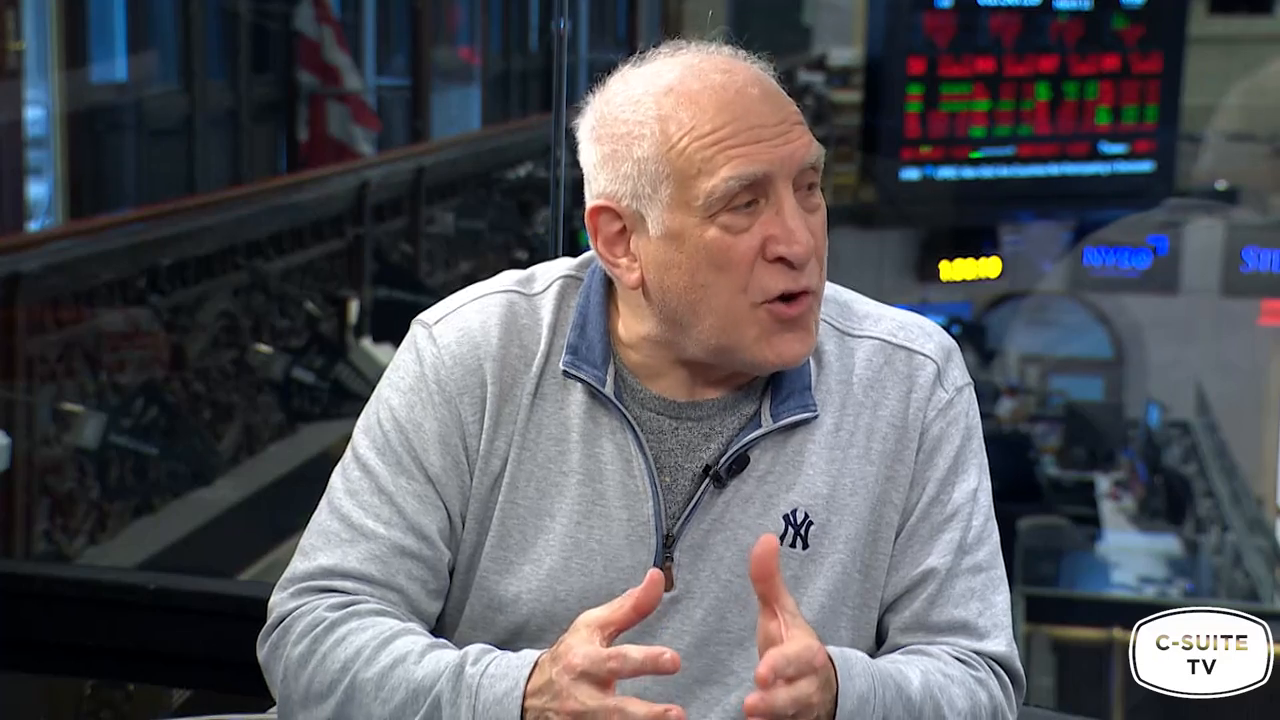 C-Suite TV · 26 minTurning Passion Into Profit: Brandon Steiner on Sports, Storytelling & Building a Collectibles Business
 C-Suite Radio · Crunching Your Growth – Growth ClassRegulated Wellness Ecommerce: Growing a THC-Free Brand with Bobby Riganati
 Chairman's Corner · Jeffrey HayzlettYour Best Performer Might Be Your Biggest Problem. And It’s Contagious.
Meet the founders, CEOs and operators behind stories like this one. Next reception: NYC Executive Reception, Tue, Nov 24.
Attend as a guestMembership: $100/mo →