“Childlike behavior can be advantageous to adults when adults use them in an adult-like manner.” -Greg Williams, The Master Negotiator & Body Language Expert
“He was told that he should not act like a stubborn child. Then he became more obstinate.” Those were the words exchanged by associates as they discussed the behavior of a friend of theirs.
When they were children, most adults possessed a limitless amount of imagination and a boundless degree of determination. As they became older, more mature, their childlike actions were abandoned so that they could be perceived as fitting into their environments. Unknowingly, conformity to those environment norms may have cost them opportunities.
Do you recall your childhood? When you sought a specific outcome, how determined were you to achieve it? How many ‘adult rules’ did you break in your efforts to uncover the solution to your quest? Then, you got older and supposedly wiser, which meant, you left those childish ways behind. Truth be known, those childish ways served you well then and they can serve you well, now.
When you find yourself in situations that you really want to get to the bottom of why certain actions occurred, or if you want to enhance the probability of a particular outcome, be persistent in uncovering a solution.
The point is, you will only receive in life what your actions indicate you’re willing to put forth to achieve. If something is denied you and you don’t put up a fight to get it, you send the signal to the holder of that source that what you sought wasn’t really that important to you. Either way, you’ve set the stage for future interactions and degree that you’ll fight for what you want. Thus, if you give up easily when requesting something, the person to whom you make that request knows that he only has to say no a few times and you’ll slither back into your den of mediocrity. Your hopes for future opportunities will lackluster and you’ll have no one to blame except yourself.
When it comes to achieving more in life, when appropriate, consider acting like you did when you were a child. Ask why, how come, who else, type of questions. You’ll be rewarded with greater outcomes in life … and everything will be right with the world.
What does this have to do with negotiations?
Some negotiators use stonewalling tactics to keep you from reaching your goals. They may do so to enhance their negotiation position. If you use probing questions (e.g. why can’t that be done, who else might be able to approve this, what do you suggest we do to avoid this impasse), you’ll receive greater outcomes from your negotiation efforts. That’s true because you’ll acquire more insight into what’s really behind the other negotiator’s efforts to disallow your request. Once you know that, you’ll be better positioned to hone in on the discovery of what he’d rather keep hidden. Your probing with questions, like you did when you were a child, will reveal those hidden opportunities and bring them to light.
#Business #SmallBusiness #Negotiation #NegotiatingWithABully #Power #Perception #emotionalcontrol #relationships #HowToNegotiateBetter #CSuite #TheMasterNegotiator #ControlEmotions #Psychology #Perception #ControlLife #Control #leadership #HowToImproveYourself
 The Boardroom Needs the Ground: By Mark Madrid
 How Fractional Executives can Help Your Company Thrive: Key FactsBy Paul Whitley
 Is It Worth Hiring a Career Coach? An Honest AnswerBy Kate Rosenberg
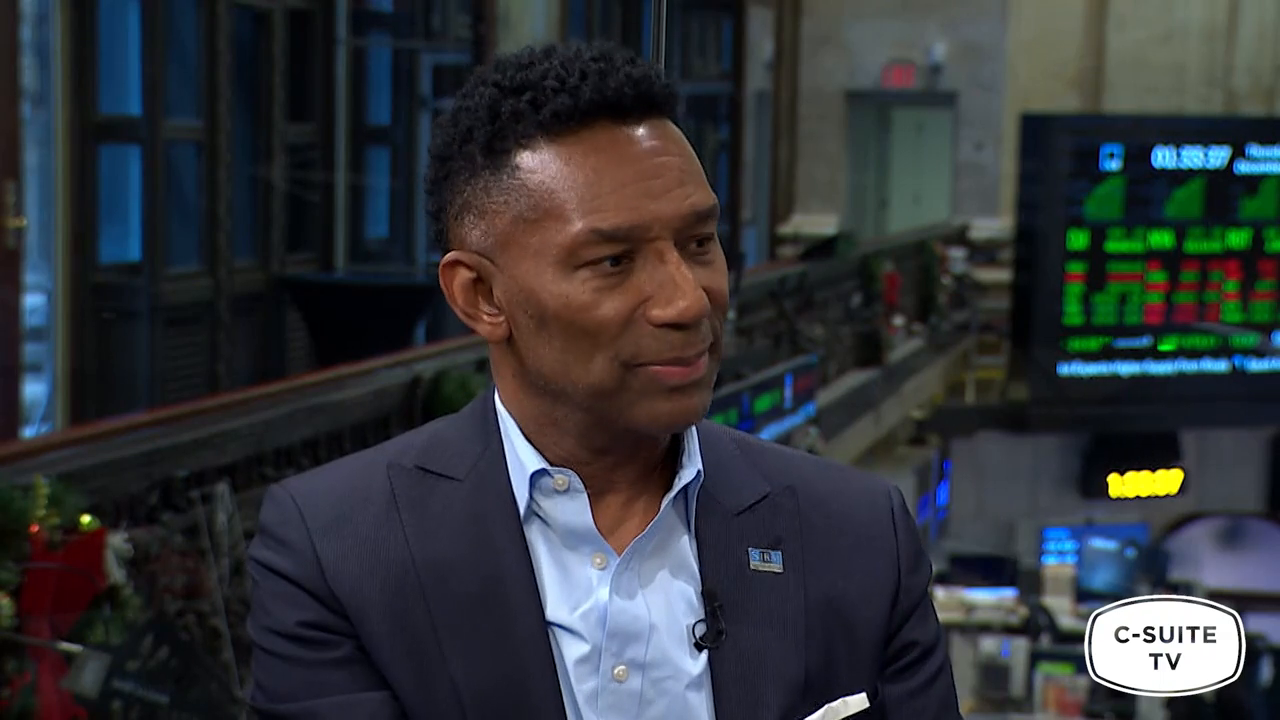 C-Suite TV · 22 minProject Calm: Johnny C. Taylor Jr. on Leadership, Culture, and the Future of Work
 C-Suite Radio · Leadership Without Losing Your Soul: Master Communication & Management Skills To Boost Productivity, Teamwork & Ease Overwhelm379 4 Reasons Your Team Isn't Doing What You Asked and Why Your Go-to Leadership Fix Makes It Worse
 Chairman's Corner · Jeffrey HayzlettThe Typical Small Business Still Sells for Less Than a House. Wall Street Just Figured Out Why That’s a Bargain.
Meet the founders, CEOs and operators behind stories like this one. Next reception: Fort Worth Executive Reception, Tue, Nov 17.
Attend as a guestMembership: $100/mo →