Life is an adventure replete with unforeseen twists and turns, akin to a rollercoaster featuring both challenges and triumphs. It is precisely in these instances of unpredictability that the significance of an emergency fund becomes evident. The notion of generating wealth through financial growth originates from a fundamental yet impactful principle: commence on a modest scale, mirroring the inception of the mightiest river that starts with a single drop.
Get a FREE Financial Fitness Strategy Session with Kris Miller, LDA and Legacy Wealth Strategist. Sign up now For a FREE Financial Fitness Strategy Session with Kris Miller, LDA and Legacy Wealth Strategist
Imagine dedicating $3,000 a year to your emergency fund – a mere $250 a month, or a thoughtful $166 stretched over 18 months. Creating income you will never outlive isn’t about limiting yourself; it’s about building a solid foundation for the future.
Now, consider the various funds you might have stashed away. Could you transfer some of that financial growth and make it your emergency fund? Some opt for interest-bearing checking accounts, while others choose traditional bank savings accounts to earn interest over time. The key is to strike a balance, creating wealth while maintaining accessibility.
 Be our guestYour next big opportunity could be in a room you're not in.Meet CEOs, founders and owners at a reception in your city or online. Your first event is on us.Request my guest seat →
While the allure of seeking high returns on investment is tempting, it’s crucial to keep your emergency fund simple and easily accessible. Entrepreneur Magazine wisely advises against locking it away in the stock market. In times of crisis, your safety is paramount, and quick access to cash becomes the linchpin.
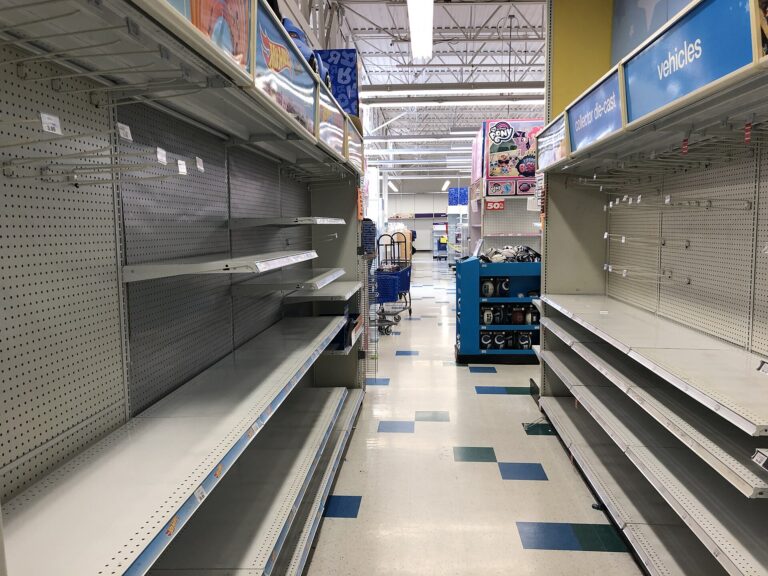
Picture a scenario where a nationwide emergency is declared, and access to your bank account is restricted for a week. Suddenly, you find yourself in need of cash for emergency supplies and groceries. What if a forced evacuation is ordered in your area? Can you afford a motel, gas, and evacuation expenses? Here, the emphasis is not just on financial growth but on creating income you will never outlive. Take a moment to envision these situations and determine a realistic amount you’d need.
It’s natural to feel uneasy about keeping large sums of cash at home. Safety is a priority, and having $15,000 in cash may seem excessive. Adjust the amount to a level that brings you comfort, while still providing the necessary financial cushion. In this delicate balance between creating wealth and ensuring safety, find the equilibrium that suits your unique situation.
Remember, starting small doesn’t mean staying small forever. As you continue to save and build your emergency fund by going to The #1 Program For Safe Money Strategies, you’ll experience financial growth and gain peace of mind. Dream big and start small – take that first step toward financial security. Build your emergency fund today, creating income you will never outlive. You never know when it will be your saving grace in a time of need.
Find me on linktr.ee/healthymoneyhappylife
Do you have questions? Email me at Kris@HealthyMoneyHappyLIfe.com
Phone (951) 926-4158
Opinions expressed by C-Suite Network contributors are their own.
 The Boardroom Needs the Ground: By Mark Madrid
 How Fractional Executives can Help Your Company Thrive: Key FactsBy Paul Whitley
 Revenue Fixes a Lot: What Business Leaders Get Wrong About Sales, Tools, and PerformanceBy Lisa L. Levy
 C-Suite TV · 23 minRetire from Management, Not from Income: Tax-Smart Investing with Ray DeWitt
 C-Suite Radio · Epic Real Estate InvestingPower Company Sues for Your Land. The Supreme Court Fight Just Flipped.
 Chairman's Corner · Jeffrey HayzlettYour Best Performer Might Be Your Biggest Problem. And It’s Contagious.
Meet the founders, CEOs and operators behind stories like this one.
Attend as a guestMembership: $100/mo →