
Know When to STOP Talking
Usually I work with people to find the best way for them to talk to their audience and get to “Yes.” Today I want to focus on the exact opposite skill set: knowing when and how to stop talking.
If you’re like me, at some point or other you’ve had the “out-of-body experience” where you catch yourself rambling on, and your brain starts screaming, “for heaven’s sake, just stop talking already!” But you’re on a roll and can’t seem to stop the momentum.
 Be our guestYour next big opportunity could be in a room you're not in.Meet CEOs, founders and owners at a reception in your city or online. Your first event is on us.Request my guest seat →
Part of the reason this happens is because Americans are notoriously uncomfortable with silence, which quickly slides becomes “awkward silence,” is something to be avoided. That’s why there’s often a compulsion to fill silence at all costs.
In most of these occurrences, self-doubt is a major factor. Even if you were confident up to that point, something triggers a sudden insecurity, which you telegraph through your rambling.
With that in mind, let’s look at three contexts in which this situation is likely to emerge, why, and how to get yourself back under control.
Waiting for a response
The most common scenario is when you’ve asked a question or made a comment, and the other person doesn’t respond right away. You subconsciously fear that they didn’t understand what you’ve said, or didn’t like it and don’t want to answer it. So you rephrase, or qualify, or suggest possible answers to your own question, until someone finally jumps in.
In reality, sometimes people just need a moment to digest what you’ve said, especially if it is technical or an important decision. Be generous in allowing them time to think, uninterrupted, before they respond.
Over-explaining
The second context is when you think you need to keep explaining something. Maybe your topic is complicated and you are speaking to non-experts or you might be speaking to people who are experts, which can be intimidating, so you feel compelled to share more to demonstrate your expertise. Or you might interpret their silence as disapproval, at which point you keep talking in attempt to qualify or justify your argument and persuade them to agree with you.
Ironically, however, in these situations, the more you ramble, the more it will likely dissuade your audience because you sound nervous rather than confident. In these cases, make your point, then just hold your ground – and your tongue. This indicates that you’re okay with waiting for them to break the silence. If necessary, you can always ask them if they are confused by something, or would like clarification. Knowing when to stop demonstrates confidence.
Scrambling for answers
Finally, rambling often occurs when you need to answer a question or offer a response, and don’t feel like you have time to think it through before you are expected to speak. The pressure is on, and the silence seems interminable as all eyes are on you. But rather than thinking aloud you as you try to figure out what you really want to say, try starting with something like, “That’s a great question; let me think about the best way to answer it concisely.” Who would deny that request, especially if the alternative is a rambling mess?
Here’s a final tip: Write a note to remind yourself to avoid these pitfalls, and look at it before you go into the next high stakes meeting. If you wait until you catch yourself rambling, it’s too late. Priming yourself with these reminders before you start is one of the best ways to project persuasive confidence and leadership.
********
Do you have questions or comments about the issues in today’s post? If so, contact me at laura@vocalimpactproductions.com or click here to schedule a 20-minute focus call to discuss them with me personally!
Opinions expressed by C-Suite Network contributors are their own.
 The Boardroom Needs the Ground: By Mark Madrid
 How Fractional Executives can Help Your Company Thrive: Key FactsBy Paul Whitley
 Do Not Cut 25% of Your Workforce YetBy Mahesh M. Thakur
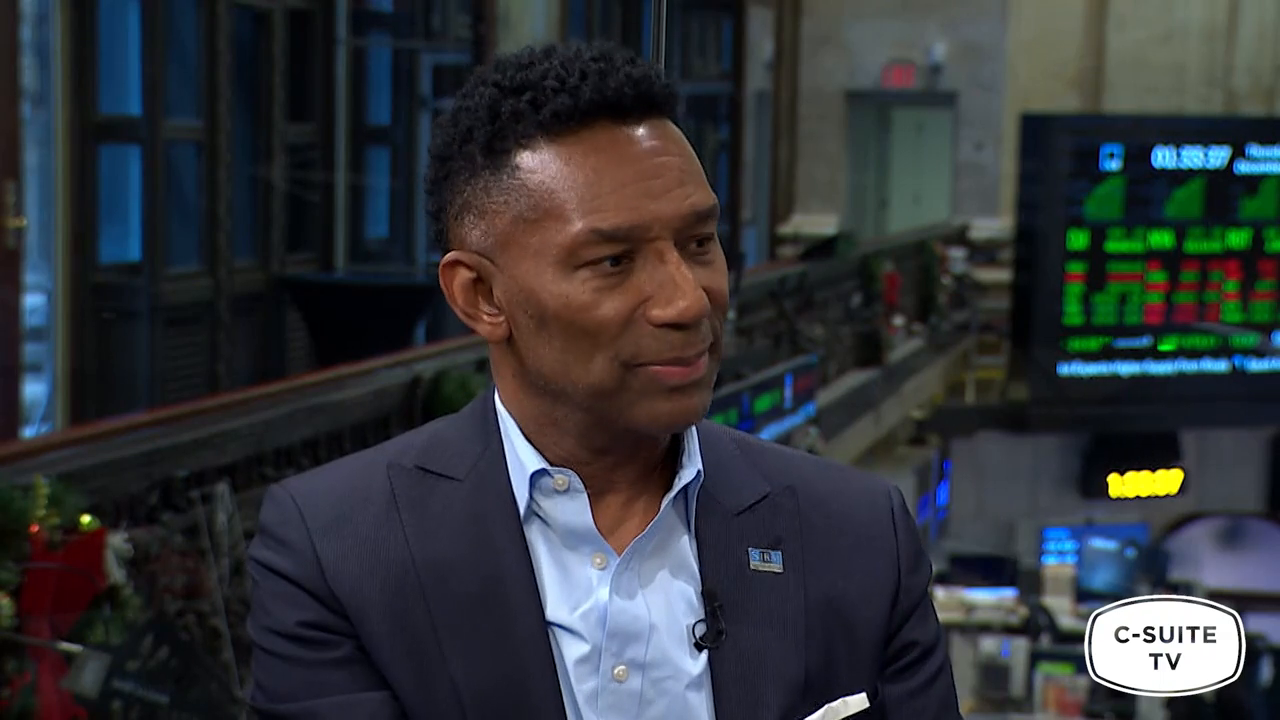 C-Suite TV · 22 minProject Calm: Johnny C. Taylor Jr. on Leadership, Culture, and the Future of Work
 C-Suite Radio · Leadership Without Losing Your Soul: Master Communication & Management Skills To Boost Productivity, Teamwork & Ease Overwhelm380 Stop Doing All the Thinking: 4 Leadership Communication Skills That Get Your Team Solving Problems
 Chairman's Corner · Jeffrey HayzlettYour Best Performer Might Be Your Biggest Problem. And It’s Contagious.
Meet the founders, CEOs and operators behind stories like this one. Next reception: NYC Executive Reception, Tue, Nov 24.
Attend as a guestMembership: $100/mo →