“Everybody does have a book in them, but in most cases, that’s where it should stay.” – Christopher Hitchens (maybe)
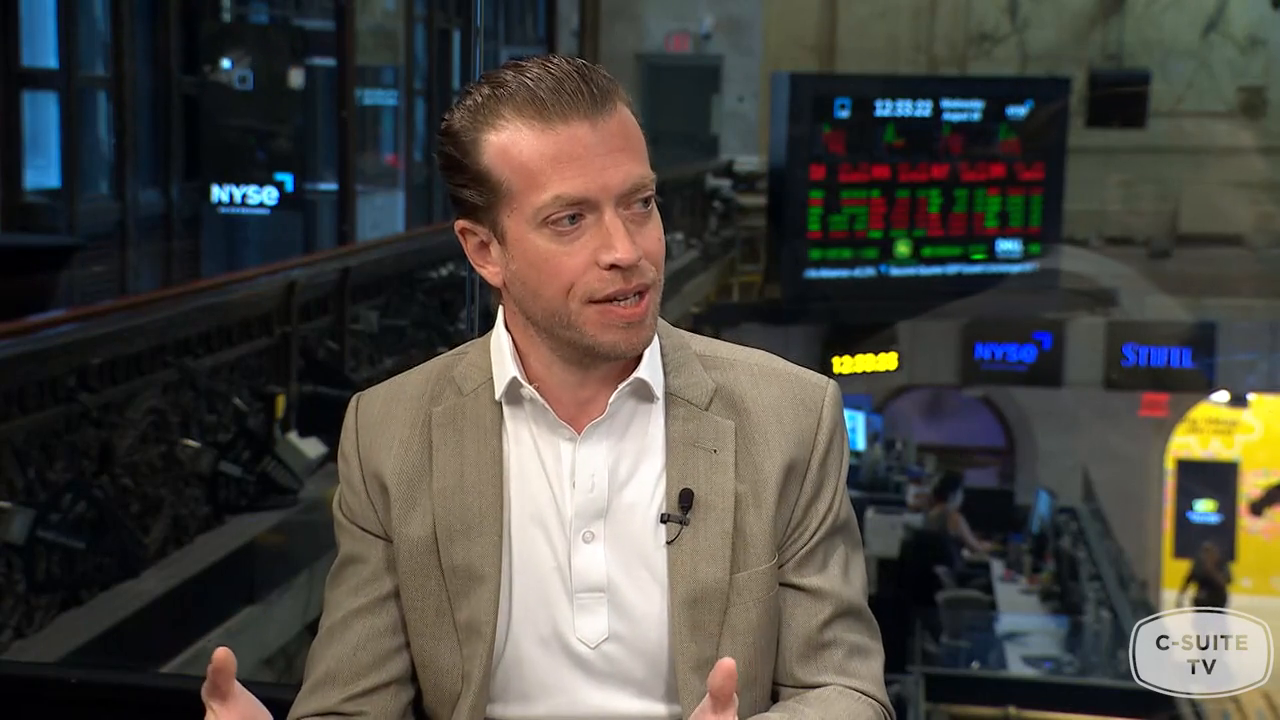
There are several variations of that quote and some dispute as to who first came up with the snarky witticism. But one thing’s for certain: It wasn’t Keith Leon. The co-founder of Leon Smith Publishing has been helping would-be authors become published authors for nearly 15 years.
As the author of three books on extreme leadership, I’ve long been a student of good writing and of writing processes. So I was curious about the advice Leon offers when he speaks to groups, teaches writing classes, or mentors individuals who want to turn their message into a book. Here are five tips he shared with me during a recent conversation:
 Be our guestYour next big opportunity could be in a room you're not in.Meet CEOs, founders and owners at a reception in your city or online. Your first event is on us.Request my guest seat →
- CREATE A ROADMAP
Most folks give up on their idea because they start without knowing where the book will begin or where it will end. A roadmap provides the path.
Once you decide the type of book you want to write – a memoir on launching your business, for example – start by writing down a series of one-line answers to a simple question: “If I were to write this book, what would I want to share?”
Don’t worry about the order. Just brainstorm things like key stories and processes. Keep writing them until you look at the list and say, “That’s it. That’s what I want to say in my book.”
Then make a second list using the first. This time, ask, “Who wants to go first?” Inevitably, one will jump up and say, “Me! Me! Me!” If not, ask, “Which one feels easiest?” Then ask who wants to go next and keep going until you have your roadmap complete.
- START WITH WHAT FEELS RIGHT
The roadmap provides the path the book will follow, but not necessarily the path you’ll take to write it. Begin by writing the chapter that feels “juiciest” or “easiest,” Leon says. Then do the next one that gets you most excited. And so on.
“You build momentum, and it doesn’t feel like a chore,” he says, “so you keep coming back.”
- FINISH WHAT YOU START
One of Leon’s rules is to complete the chapter you start before moving on to another chapter.
I didn’t quit my day job when I wrote my leadership books, so I know this challenge well. When you step away from your writing project for a few days, sometimes you return to find the chapter you were working on no longer is the “easiest” or the “juiciest.” If that happens, Leon says, re-read the last few pages of what you’ve written in the chapter. That’s usually enough to get you back into it and rolling again. But don’t leave it unfinished, because that’s just asking for trouble.
“If you have a chapter that’s undone, your subconscious knows it and it’s hard to complete the next one,” Leon says. “Then you get writer’s block, which is really just a pissed off inner child, right?”
- HONOR YOUR INNER CHILD
Leon tells his students to set an alarm and write in 50-minute blocks. When the alarm goes off, get up and do something else – stretch, go outside, put on some music. Do something for your inner child for 10 minutes. Then have a conversation with your inner child – out loud – before you return to your writing.
“OK, it’s my time to play,” you say. “But don’t worry. I’ll be back in another 50 minutes.”
Many of Leon’s students resist this idea, he says, but they inevitably find it “profound” after they give it a try.
- WORRY ABOUT THE ROCK, NOT THE DIAMOND
We’re conditioned to think that what we read is exactly what an author wrote. New authors can tend to expect perfection in the first draft, and that seldom happens. Writing is an artistic process that’s sometimes sloppy. Books go through revisions and an editing process. And editors, as Leon points out, take your rock and polish it into a diamond.
The freedom in knowing someone has your back allows you to focus on writing without judging what you’re writing.
“I encourage people to free-form write,” he said. “Then read it one time from beginning to end. If something makes you want to hurl, change it. If not, keep it.”
Then let the editors take over.
Leon’s advice here applies primarily to non-fiction books. Some authors also use it with novels, while some stick more to a storyboard. But if you’re convinced you have a story to tell or a message to share – fiction or non-fiction – and you aren’t sure how to get it from your head and heart to a finished document, Leon’s roadmap will show you a way.
Opinions expressed by C-Suite Network contributors are their own.
 The Boardroom Needs the Ground: By Mark Madrid
 How Fractional Executives can Help Your Company Thrive: Key FactsBy Paul Whitley
 Do Not Cut 25% of Your Workforce YetBy Mahesh M. Thakur
 C-Suite TV · 22 minProject Calm: Johnny C. Taylor Jr. on Leadership, Culture, and the Future of Work
 C-Suite Radio · Leadership Without Losing Your Soul: Master Communication & Management Skills To Boost Productivity, Teamwork & Ease Overwhelm380 Stop Doing All the Thinking: 4 Leadership Communication Skills That Get Your Team Solving Problems
 Chairman's Corner · Jeffrey HayzlettYour Best Performer Might Be Your Biggest Problem. And It’s Contagious.
Meet the founders, CEOs and operators behind stories like this one. Next reception: NYC Executive Reception, Tue, Nov 24.
Attend as a guestMembership: $100/mo →