By George Brunt, Business Legal Management
Very few people set out to break the law. They drift there.
Every week I read through the latest cases in Law360 and write about the patterns I see. The names change, and so do the industries. The story almost never does.
A bill gets paid late “just this once.” A record gets edited so nobody asks questions. A trusted employee uses access that was never theirs to use. Each step feels small, and each one makes the next step easier.
 Be our guestYour next big opportunity could be in a room you're not in.Meet CEOs, founders and owners at a reception in your city or online. Your first event is on us.Request my guest seat →
What strikes me most isn’t the person at the center of these cases. It’s everyone around them. In nearly every story there was an early moment when someone could have asked a simple question. Nobody did, because it wasn’t anybody’s job.
Think about a ranch with a long fence line. No rancher expects the whole fence to fall at once. A post leans. A wire sags. A few head of cattle find the gap.
The ranches that keep their herds are the ones where somebody rides the fence on a regular schedule. Not because they expect disaster, but because a leaning post is cheap to fix and a missing herd is not.
Most growing companies have someone riding every fence but one. They have a CFO watching the money, a COO running operations and a sales leader watching the pipeline. What they usually don’t have is anyone whose job is to notice legal risk while it’s still small.
Companies between $20 and $200 million feel this the most. They’re too big to handle legal questions on instinct and often too small for a full-time general counsel. So legal questions go to whoever has time, or they wait until something breaks and an outside firm gets called in an emergency.
By then, the drift has usually been going on for a while.
The cases in the headlines are extreme, but the pattern behind them shows up in ordinary businesses every day. Most of what I see isn’t fraud. It’s a contract renewed without anyone reading the new terms, a handshake deal with a partner that never got written down, or a contractor treated like an employee for three years. None of it feels urgent. All of it adds up.
That empty seat is the one we try to fill at Business Legal Management. We act as part of the leadership team, not an outside firm you call when something’s on fire. We get to know the business well enough to notice when a post starts to lean.
Everyone in Hero Club knows what it takes to build something. Protecting it takes a different kind of attention, the kind that catches small things before they turn into big ones.
So here are three questions to ride your own fence this quarter:
- When was the last time someone read your five most important contracts all the way through?
- If someone on your team were quietly cutting corners, whose job would it be to notice?
- Would you be comfortable if a stranger read your company’s records closely tomorrow?
If any of those made you pause, you’re in good company. Most owners haven’t had a reason to ask them yet.
Our free Business Legal Rating is a quick way to see where your company stands across six areas of legal risk. Hero Club members are welcome to walk through their results with us at no cost. There’s no pitch, just a conversation about what we see.
I’d much rather help you straighten a leaning post than help you rebuild the whole fence.
Opinions expressed by C-Suite Network contributors are their own.
 The Boardroom Needs the Ground: By Mark Madrid
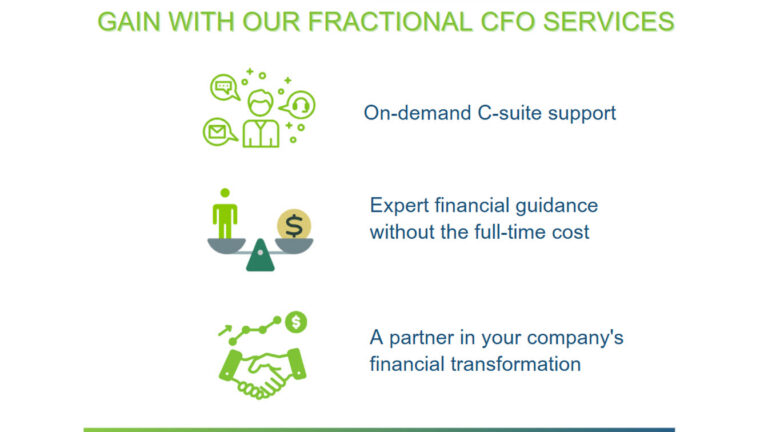 How Fractional Executives can Help Your Company Thrive: Key FactsBy Paul Whitley
 Do Not Cut 25% of Your Workforce YetBy Mahesh M. Thakur
 C-Suite TV · 22 minProject Calm: Johnny C. Taylor Jr. on Leadership, Culture, and the Future of Work
 C-Suite Radio · Leadership Without Losing Your Soul: Master Communication & Management Skills To Boost Productivity, Teamwork & Ease Overwhelm380 Stop Doing All the Thinking: 4 Leadership Communication Skills That Get Your Team Solving Problems
Meet the founders, CEOs and operators behind stories like this one.
Attend as a guestMembership: $100/mo →