When it comes to making decisions, the perfect solution seldom exists. But that doesn’t stop a lot of people from an endless and unrealistic pursuit of the perfect decision. While it’s important to be careful and layout the alternatives, obsessing over a decision can take a heavy toll on your time and emotional energy.
Delaying an important decision just slows you down and makes you worry — the decision will still be there waiting for you in the end. Don’t overcomplicate things! Take ownership of the decision. Instead of waiting for the moons, stars, and planets to align, move on!
One of the best ways to make faster decisions is the “Quick-Step” approach. Imagine only having a few minutes to make an important decision. Quickly run through all the elements, including the problem, objectives, consequences, and risk tolerance. Next, compare those to the overall benefits and outcomes of taking action. Do this in a matter of minutes. Don’t get hung up on the details or worry about getting it perfect. Just decide to decide!
It can help to write out a rough sketch of the elements on a piece of paper. Work through the pieces of the decision to see the possible outcomes more clearly. Once you have a rough outline, you can go back later to tie up any loose ends on specific points. It’s often a pleasant surprise to discover that the Quick-Step approach helps you make better decisions faster. Eventually, it becomes a habit.
Work on speeding up the process for small decisions to free up time for the big-picture decisions that really matter. When you make good business decisions quickly, you have a significant advantage over those who take a lot of time making up their minds.
If you need a little extra time to make a complex decision, plan a short deadline. The brief delay will give you just enough time to make sure the decision feels right before implementing it as an action plan.
How to get unstuck
Of course, there will be times when you just can’t decide. You may not know where to begin because of an obstacle that’s getting in your way. Other times, despite analyzing the decision, you still can’t make up your mind.
When this happens, remember to remain focused on the facts. Don’t allow emotions to get in the way! There’s an old saying: “Don’t make permanent decisions based on temporary emotions.” Successful people recognize when their emotions come into play and can weigh decisions as objectively and rationally as possible.
Keep in mind that every decision you make goes back to focusing on your vision and goals. Every time you make a tough choice, consider the choice that supports the vision. Below are five tips for better decision making:
Find a solution to a decision-making problem by asking a successful person you trust. Once you share and brainstorm the information, you can make connections you never saw before. Select your advisors wisely to help you make decisions beyond your experience level.
Stop the perfectionism cycle. Instead of seeking impossible perfection, you’ll often need to take the leap first without having all the answers. Then simply trust that you’re on the right path.
Don’t overthink it. Learn to turn your overactive mind off for a while. Often your insight can come when you least expect it. By keeping your thoughts quiet, you may switch to a new thought process that will result in a different outcome.
Admit it when you make a mistake. If your decisions steer you wrong, fess up, correct the error, and move on. Even making the wrong decision will help you learn something. And when you admit to yourself and others that you were wrong, you gain respect for being humble, honest, and real.
Don’t try to solve a problem — simply decide. The decision can help solve a problem, but not every problem can be solved by making a decision. Instead, decision making often relies more on intuition than over-analysis. The solution often comes from your gut reaction, or what feels like the right decision.
Sometimes you just have to trust your intuition
Psychologists define intuition as “a process that gives us the ability to know something directly without analytic reasoning, bridging the gap between the conscious and unconscious parts of our mind, and also between instinct and reason.
It’s an automatic, effortless feeling that often motivates you to take action on a decision. Intuition involves trusting the sum total of your subconscious experiences. It draws on everything you’ve experienced for all the years you’ve been alive, which means it’s constantly growing and evolving, just like you are.
Some scientists have started calling your gut instincts or intuition the “second brain.” Like your conscious mind, your gut absorbs and responds to information. You know what it feels like to have a hollow pit in your stomach as you weigh a decision. That’s your gut talking to you loud and clear. But can it really compare to your conscious mind? Yes! Your gut or intuition doesn’t just compare to the mind — it rivals it!
Intuition is also the result of a lot of processing that happens in the brain. Research suggests the brain is a large, predictive machine, constantly comparing incoming sensory information and current experiences against your stored knowledge and memories of previous experiences to predict what will come next.
You may be surprised to learn intuition is a deliberate skill you can learn to develop. Simply start by paying more attention to it. Once honed, it can apply in many situations, from developing an action plan to making quick decisions under pressure.
When you have a question to answer or a decision to make, rely on your intuition. You might sell yourself short with limiting thoughts, but your intuition will never let you down. Learn to tap into it and trust it more!
Opinions expressed by C-Suite Network contributors are their own.
 You Cannot Pour From an Empty Cup: Conscious Parenting Through Burnout, Guilt, and DepletionBy Katherine Sellery
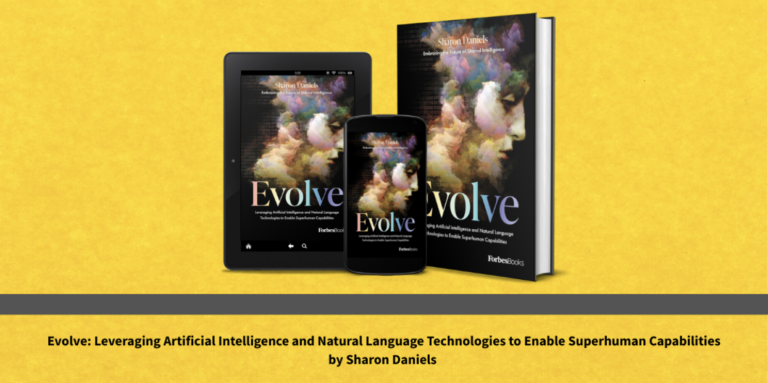 The CEO Who Built a Company Around Language Just Wrote the Book That Explains Why Language Is the Most Important Technology in Human HistoryBy Michael Beas
 The Difference Between Paying for the Seat and Occupying It.By Baz Porter
 C-Suite TV · 23 minWho Owns Your Health Data? Building Trust in the Future of Healthcare with Deborah Bussière
 C-Suite Radio · Unshelling Medicine: Self Care Benefits and Mental Health Tips for Healthcare Recipients 💊🩺Have You Lost Yourself to Caregiving?With Linda PernialUMP 74
 Chairman's Corner · Jeffrey HayzlettThe Typical Small Business Still Sells for Less Than a House. Wall Street Just Figured Out Why That’s a Bargain.
Meet the founders, CEOs and operators behind stories like this one. Next reception: Fort Worth Executive Reception, Tue, Nov 17.
Attend as a guestMembership: $100/mo →