I’ve worked with several high-tech startups in the marketing space–some of whom have had more success than others. The ones who have succeeded the most have an obsessive focus on market fit–that elusive quality that makes clients want your product. I’ve learned a way of doing this that applies to startups and to large, established companies alike.
There are many ways to find market fit, but I find too few startups focused on fit. Instead, they take the “Field of Dreams” approach–“If you build it, they will come.” These companies tend to be founder-led rather than market-led. They pursue a dream, and the smart ones succeed in selling that dream to the market. Maybe it takes a pivot or two. Some run out of money before they run out of pivots.
I’ll admit that a lot of folks don’t think there is any alternative.
I have long counseled another approach that is almost diametrically opposite the Field of Dreams approach. I somewhat cheekily refer to it as the “Dream of Fields” approach–“If you come, we will build it.” I have been doing this for many years, and it fits squarely into the Lean Startup methodology that is all the rage now. But even Lean Startups usually start with an idea–with an expected solution to a presumed problem.
I am suggesting something different. Most companies start with an expertise in solving several problems. They, in fact, can make a living providing consulting solutions for those problems, not because that is the business that they want to be in, but because they can make money solving problems and start to find the products within the consulting. There is a danger of going too far in this direction and just providing one-off consulting for all customers, but a little discipline can help with that.
By taking this approach, you force your software to at least solve the problem of the first few customers, and you likely learn a lot about generalizing the solution along the way. You also learn a lot from customers who don’t buy your product, because maybe you have something missing that would speak to an even larger set of customers.
To me, this can be a simpler path to market fit because you start out at least fitting one or two clients. The pivots might still be required, but they are less dramatic and less forced. They feel more like responses to newly-discovered opportunities than retreats from previous failures.
And it’s even easier for large companies to do this than small ones, because their trusted relationships help them find the right early customers more easily.
See if it works better for you.
Opinions expressed by C-Suite Network contributors are their own.
 The Boardroom Needs the Ground: By Mark Madrid
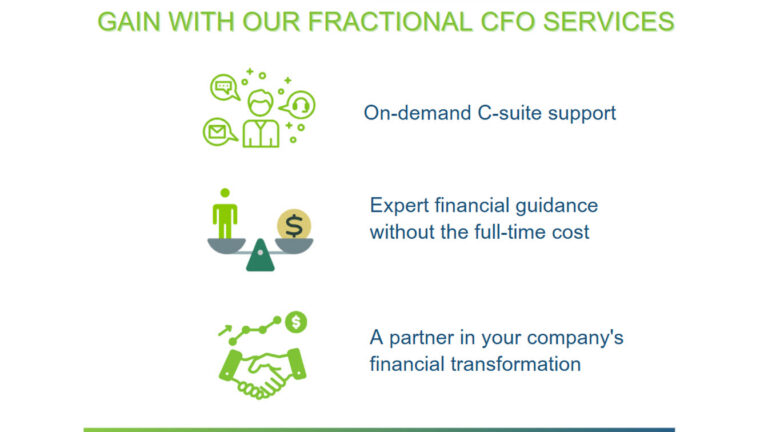 How Fractional Executives can Help Your Company Thrive: Key FactsBy Paul Whitley
 Is It Worth Hiring a Career Coach? An Honest AnswerBy Kate Rosenberg
 C-Suite TV · 22 minProject Calm: Johnny C. Taylor Jr. on Leadership, Culture, and the Future of Work
 C-Suite Radio · Leadership Without Losing Your Soul: Master Communication & Management Skills To Boost Productivity, Teamwork & Ease Overwhelm379 4 Reasons Your Team Isn't Doing What You Asked and Why Your Go-to Leadership Fix Makes It Worse
 Chairman's Corner · Jeffrey HayzlettThe Typical Small Business Still Sells for Less Than a House. Wall Street Just Figured Out Why That’s a Bargain.
Meet the founders, CEOs and operators behind stories like this one. Next reception: Fort Worth Executive Reception, Tue, Nov 17.
Attend as a guestMembership: $100/mo →