The health and results of an organization are directly dependent upon having a healthy foundation of trust. An organization cannot achieve optimum results without trust between employees, management and customers. Exceptional leaders recognize the importance of trust, and they know how to manage the variation.
The benefits of trust are undeniable. An environment of trust brings out the genius in every employee, the full potential of the organization, and creates happy, loyal customers. According to Stephen M. R. Covey, a 2003 study by Watson and Wyatt shows that a high-trust organization can deliver a 286% higher total return than low-trust organizations (Covey, June 2007).
Creating trust is challenging because it’s paradoxical. We want control, but we don’t want micromanagement. We want freedom to act, but we want to avoid chaos. What is the best way of thinking about the world (about people and problems) that will enable us to manage the variation in trust and deal with the complexity and the paradox? The answer is “systems thinking.”
Leaders who want optimum trust, to bring out the genius of every employee, and who want to optimize results (especially through customer experience and employee engagement) must be skilled systems thinkers.[1]
It is too easy to fall prey to the spell of Frederick Taylor and avoid systems thinking. Frederick Taylor created Scientific Management thinking in the mid 1800’s. His theory promoted the idea that people should be told what to do and controlled with pay-for-performance policies. Taylor theory assumed management is smarter than employees. This justifies why employees must be supervised.
Typical management language still reflects this idea. For example, we refer to employees as “subordinates”. A subordinate is defined as someone who is “under the authority of a superior”. Systems thinking does not require authoritarian relationships. Full cooperation, optimum trust, and effective communication between employees (regardless of their position) is much more important than the reporting structure.
When we embrace Taylor we use phases like, “we need to better manage our people; we need to drive improvement, or drive change; we need to manage employee performance every day.” These are all consistent with the Frederick Taylor model which holds that employees need to be managed.
With systems thinking, employees can self-manage. It also explains how the performance of individuals is influenced more by the system within which they work than by their individual efforts or skills. With a predictable process, employees perform consistently and predictably. With an unpredictable process, employees will perform inconsistently. Taylor increases the need for heroes and heroines to save performance. Heroes are not required with systems thinking.
The combination of Taylor and unpredictable processes reinforce the need to rate individuals as exceptional performers or poor performers. The policy of rating individuals is inconsistent with systems thinking and often does more to damage trust in an organization than nearly any other management practice.
When leaders embrace systems thinking their priority is to improve the system and avoid evaluation of individual performance because they know an improvement in the system and processes will improve the level of trust in the organization. Systems thinking and trust are perfect together.
Wally Hauck, PhD has a cure for the “deadly disease” known as the typical performance appraisal. Wally holds a doctorate in organizational leadership from Warren National University, a Master of Business Administration in finance from Iona College, and a bachelor’s degree in philosophy from the University of Pennsylvania. Wally is a Certified Speaking Professional or CSP. Wally has a passion for helping leaders let go of the old and embrace new thinking to improve leadership skills, employee engagement, and performance. See other resources here.
[1] Systems Thinking: A discipline of using data to identify patterns, processes, and structures that cause events. It’s a way of thinking and acting to obtain knowledge to make changes in process and structure to improve the interactions between parts of a system instead of making improvements to the parts individually. Excerpts taken from The Art of Leading: 3 Principles for Predictable Performance Improvement by Wally Hauck, PhD, CSP.
Opinions expressed by C-Suite Network contributors are their own.
 The Boardroom Needs the Ground: By Mark Madrid
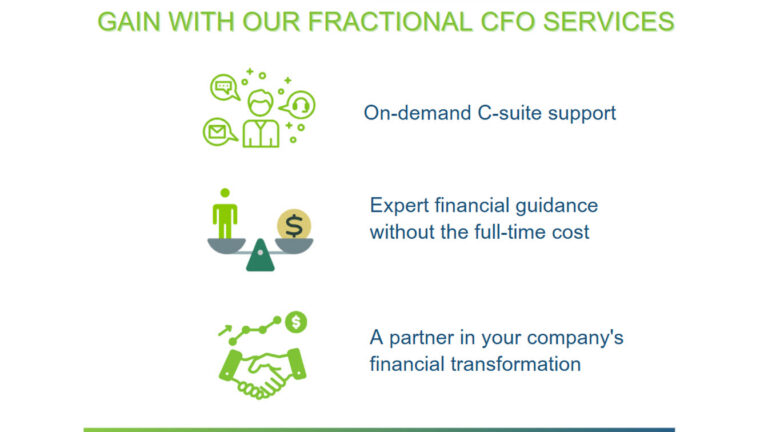 How Fractional Executives can Help Your Company Thrive: Key FactsBy Paul Whitley
 Is It Worth Hiring a Career Coach? An Honest AnswerBy Kate Rosenberg
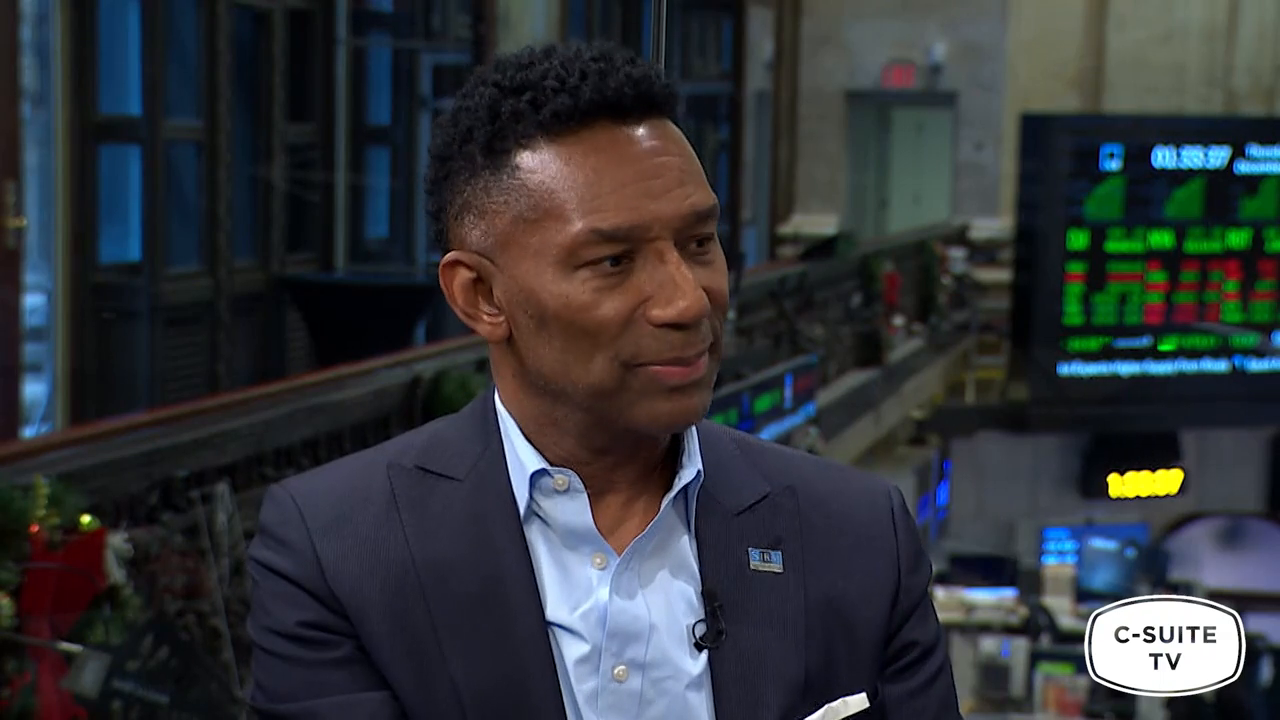 C-Suite TV · 22 minProject Calm: Johnny C. Taylor Jr. on Leadership, Culture, and the Future of Work
 C-Suite Radio · Leadership Without Losing Your Soul: Master Communication & Management Skills To Boost Productivity, Teamwork & Ease Overwhelm379 4 Reasons Your Team Isn't Doing What You Asked and Why Your Go-to Leadership Fix Makes It Worse
 Chairman's Corner · Jeffrey HayzlettThe Typical Small Business Still Sells for Less Than a House. Wall Street Just Figured Out Why That’s a Bargain.
Meet the founders, CEOs and operators behind stories like this one. Next reception: Fort Worth Executive Reception, Tue, Nov 17.
Attend as a guestMembership: $100/mo →