Picture this: You’re standing in the middle of Walgreens. There’s a line behind you. You have several credit cards in your hand—most of them maxed out.
You’re crying. And you can’t buy the medication your daughter needs to live.
You didn’t get here because you were irresponsible. You didn’t max out those cards on purses and clothes. You maxed them out paying for living expenses and medical care—because the insurance you paid for, for years, tried to drop your daughter when you needed it most.
This was Tawnya Landis’s defining moment.
And it came at the intersection of three catastrophic events that would have destroyed most families:
- A newborn daughter born with severe health complications requiring years of surgeries and treatments
- The 2008 market crash that decimated their real estate investing company
- A bankruptcy that stripped away the white picket fence, the “perfect” life, and everything they thought they’d built
Most families can navigate one crisis. Maybe two, if they’re lucky.
But three at once? Most don’t survive. Most marriages don’t survive. Most businesses don’t survive.
Tawnya and her husband Scott did. And they didn’t just survive—they rebuilt stronger, smarter, and more resilient than before.
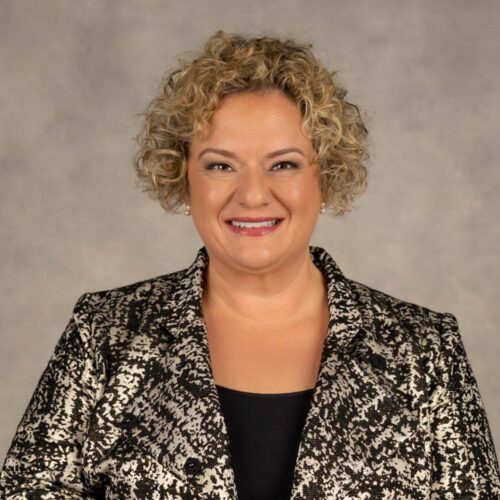
Today, Tawnya is a seasoned entrepreneur, certified coach, and wellness advocate who’s been helping professionals achieve work-life harmony since 2001. She and Scott have built multiple successful businesses, exited two companies, weathered one complete failure, and are now building a generational legacy with their three children stepping into leadership roles.
They’ve co-authored Balancing Act—a powerful book that shares their personal journey through financial loss, personal crisis, and ultimately success, providing entrepreneurs with practical strategies for balancing business growth with meaningful relationships.
But here’s what makes Tawnya’s story urgent for business executives today:
80% of American families are 90 days away from the situation Tawnya faced in Walgreens.
One medical crisis. One market downturn. One unexpected disruption—and decades of financial stability can evaporate.
For business executives—especially those who believe they’ve “made it,” who think they’re diversified, who assume their insurance and safety nets will hold—Tawnya’s journey is a wake-up call.
Because the truth is: You’re not as protected as you think you are.
Here are the three key takeaways from Tawnya’s journey that every executive must internalize if you want to build a business and a life that can withstand the inevitable storms, protect your family from financial catastrophe, and create true freedom—not just the illusion of it.
Takeaway 1: Diversification Isn’t What You Think It Is—And One Crisis Will Expose the Gaps
Tawnya and Scott thought they were diversified.
They had:
- A successful insurance and financial services company
- A thriving real estate investing company with flips and rentals
- A house with a white picket fence
- A perfect little boy
- Big corporate backgrounds (both recruited out of college)
- The American Dream
Then 2008 hit. And their daughter was born with health complications.
And they realized: They weren’t diversified at all.
The Illusion of Diversification
Tawnya’s insight: “We thought we were diversified, but we weren’t. We couldn’t withstand an economic crash and a health crisis at the same time.”
This is the trap most executives fall into. You think you’re diversified because you have:
- Multiple income streams
- Investments in different sectors
- Insurance policies
- Savings accounts
But here’s the reality: If all your income streams are tied to the same economic conditions, you’re not diversified.
Tawnya and Scott’s businesses—insurance, financial services, real estate—were all tied to the same thing: a healthy economy.
When the market crashed, everything collapsed at once.
And when their daughter was born with health complications requiring years of surgeries and treatments, their insurance—the safety net they’d paid for, for years—tried to drop her.
Tawnya had to fight them on every surgery, every treatment, every medication.
She was paying medical bills with maxed-out credit cards while trying to save a failing business.
The Walgreens Moment
Tawnya’s defining moment came while standing in Walgreens, trying to buy a medication her daughter needed to live.
“I had several credit cards. Most were maxed. I was praying with the girl at the counter: ‘Can you run this one for this much? Can you run this one for that much?’ I had done everything right. Yet when I needed it, the system wasn’t there for my daughter.”
That moment changed everything.
“I said, ‘Never again will I depend on a system like this. I get to make choices. And I will make enough so that if my daughter needs a medication—or somebody I know needs a medication—I can pay for it.'”
This is the shift. From dependence to self-reliance. From the illusion of safety to real diversification.
What Real Diversification Looks Like
Fast forward to October of last year. The company Tawnya had partnered with for 13 years—where she’d made a lot of money, built a thriving business, and helped thousands of people—eliminated contracts overnight.
For many of her peers, this was catastrophic. Several had to:
- Sell their homes
- Get jobs
- Completely restructure their lives
But Tawnya and Scott? They didn’t have to do any of that.
Why? Because they were truly diversified.
Today, they have:
- A business consulting firm where Scott does executive coaching with C-suite leaders and CEOs, and Tawnya focuses on lifestyle and wellness (because if you don’t have the energy to run your business and your relationships aren’t intact at home, it affects everything)
- A fitness and nutrition company (Tawnya partnered with a network marketing company—and yes, she built it successfully, helping thousands of people get healthy while maintaining time freedom with her kids)
- Multiple income streams that aren’t tied to the same economic conditions or single company decisions
When that contract was eliminated, Tawnya’s response was: “We had to shift some things because that was a pretty substantial income, but we were able to make it because we were diversified.”
The 80% Statistic
Here’s the uncomfortable truth: 80% of American families are 90 days away from financial catastrophe.
One medical crisis. One job loss. One market downturn. One unexpected disruption.
And decades of financial stability can evaporate.
Tawnya’s mandate: “I wouldn’t wish that on my own enemy. When you’re standing in the middle of Walgreens crying, there’s a line behind you, and you can’t buy a medication for your child—that was my defining moment. I’m never going back there. And I don’t want other people to have to either.”
Why This Matters for Executives
If you’re a business executive, you need to audit your diversification strategy.
Practical executive moves:
- Map your income streams. Are they all tied to the same economic conditions? The same industry? The same company?
- Stress-test your safety net. What happens if you lose your biggest income stream tomorrow? Can you survive for 6 months? 12 months?
- Audit your insurance. Do you actually know what’s covered? Have you read the fine print? What happens in a catastrophic health crisis?
- Build true diversification. This means income streams that aren’t correlated. If one collapses, the others hold.
- Create a “Walgreens fund.” Liquid cash that you can access immediately in a crisis. Not tied to investments. Not tied to credit. Cash.
- Don’t depend on systems. The government, insurance companies, and employers—they will not save you when you need them most. You must save yourself.
Takeaway 2: Building a Business Isn’t Just About Material Success—It’s About Impact at Home and in the World
Tawnya and Scott’s first chapter of entrepreneurship was transactional.
They built successful businesses. They had the house with the white picket fence. They had the perfect little boy. They were living the American Dream.
But Tawnya’s reflection: “Everything was beautiful, as we thought. It was also very transactional. We were very transactional in our relationships, very transactional in what we were doing. We just did what we thought we were supposed to do according to society’s rules.”
Then everything fell apart.
And they learned the most valuable lesson: “Building a business isn’t just about the material things. It’s about the impact you’re making—not only in the world, but also in your family’s life at home.”
The Realization: I Would Have Given It All Up
When their daughter was born with severe health complications, Tawnya had a moment of clarity:
“You could take all the success we had in the past. And all I wanted was for my baby girl to be healthy. I would have given it all up.”
This is the shift from transactional to transformational.
From building for the sake of building to building for impact.
The Rebuild: Purposeful Entrepreneurship
When Tawnya and Scott rebuilt, they did it differently.
Scott wanted to start another company. Tawnya’s response: “Seriously?”
But they did. And this time, it was purposeful.
They started with a small coffee company—something they were passionate about.
Scott worked for another firm (which was hard after years of entrepreneurship). Tawnya stayed home with three kids—including their daughter, who was still sick.
But Tawnya was overwhelmed. “Business was a lot easier to do than parenting for me at times. And back then, it was hard to say that because it wasn’t very accepted. Everyone’s like, ‘You should love being at home all the time.’ And I’m like, ‘I love my kids. I love them to pieces. But I am just wired differently. And I can be a great mom, and I can be a great business owner.'”
This is the permission so many entrepreneurs—especially women—need to hear: You can love your kids and still need something beyond parenting.
The Choice: Time Over Money
Tawnya was offered a very lucrative contract with a corporation. She turned it down.
“Those contracts are great, but there is a price—and you pay with your time. I didn’t want to miss things. I didn’t want to miss ballet. I didn’t want to miss soccer.”
Instead, she took an opportunity that people questioned: She partnered with a network marketing company to build a fitness and nutrition business.
People can “poo-poo on that all they want,” Tawnya says. “But I saw the business opportunity. It’s less risky because you’re partnered with a company. And I could have time with my kids.”
She helped thousands of men and women get healthy. She grew the business. And it enabled Scott to leave his firm and start his own.
This is the power of purposeful entrepreneurship: Building something you’re passionate about, that gives you time freedom, and that makes an impact.
The Family Impact: Three Kids, 26 Countries, and a Close-Knit Unit
Tawnya and Scott’s oldest son is about to turn 21. He’s been to 26 countries—and he funds all of it himself.
Their daughter is 17 and recently asked, “When are we moving again?” (They move a lot as part of their lifestyle.)
Their youngest just goes with the flow. “As long as we’re together, that’s what matters.”
Tawnya’s reflection: “We have a very close-knit family. And the kids have said this too: As long as we’re together, that’s what matters.”
This is the impact of building a business that prioritizes family, freedom, and experiences over material success.
Their son initially wanted stability. He went for a “safe career.” But he quickly realized: “That doesn’t come with the freedom to travel. It comes with a price.”
Now he’s partnering with Tawnya and Scott as they expand into Europe.
The Generational Legacy
Tawnya’s vision for the future: “I’m excited about bringing our son into one of our companies. It’s every parent’s dream. For a while, he was like, ‘No, I don’t want anything to do with that.’ But now he’s realizing, ‘Yeah, I do.’ And we’re talking with our daughter about bringing her in.”
This is the ultimate impact: Raising the next generation as leaders and business owners.
Not just passing down wealth. But passing down values, skills, and the ability to create freedom.
Why This Matters for Executives
If you’re building a business, you need to ask: What’s the impact?
Not just on your bottom line. But on:
- Your family
- Your relationships
- Your health
- Your legacy
- The world
Practical executive moves:
- Audit your priorities. Are you building for material success or for impact? What would you give it all up for?
- Define “success” on your terms. Not society’s rules. Not the American Dream. Your terms.
- Choose time over money. Sometimes the less lucrative opportunity is the right one—if it gives you time freedom.
- Involve your family. Are your kids seeing the entrepreneurial lifestyle as a burden or a gift? Are you creating experiences together?
- Build for generational legacy. What are you passing down? Just wealth—or values, skills, and freedom?
- Be purposeful. Every business decision should align with your impact goals—at home and in the world.
Takeaway 3: You Will Be Broken—And That’s Where Your Defining Moment Lives
Tawnya’s journey wasn’t smooth. It was painful. And it required her to be broken before she could rebuild.
The Bankruptcy: Losing Everything
In 2008, Tawnya and Scott lost everything.
The market crashed. Their daughter was born with severe health complications. They tried to save the business. They tried to pay off people, save face, do everything they’d committed to.
But at the end of the day, “We were out of options. We were paying medical bills, paying for treatments. We had all these things going on.”
They filed for bankruptcy.
The Lessons from the Breaking
Tawnya’s reflection: “We learned the most valuable lessons.”
- Building a business isn’t just about material things—it’s about impact.
- You need to diversify. (They thought they were, but they weren’t.)
- You learn who your true supporters are. The people who care about you, whether you’re up here or down here. The authentic relationships that can withstand the ups and downs.
This is the gift of being broken: Clarity.
You learn what matters. You learn who matters. You learn what you’re capable of.
The Defining Moment: Never Again
Standing in Walgreens, unable to buy medication for her daughter, Tawnya made a decision:
“Never again will I depend on a system like this. I get to make choices. And I will make enough so that if my daughter needs a medication—or somebody I know needs a medication—I can pay for it.”
This is the shift from victim to creator.
From dependence to self-reliance.
From fear to purpose.
Tawnya’s mandate: “Every time I feel like this is really hard, I think back to that moment. This is what it’s about. I’m not going back there. And I don’t want other people to have to either.”
The Future: Equipping People to Make Choices
Tawnya’s vision: “No matter where you stand with politics, I believe the future is in what the people do. Everything I do is about equipping other people so they don’t have to depend on the government or whoever’s in power. If you’re able to earn income, you can make choices.”
This is the heart of her work: Giving people the ability to make an impact, to make their own choices, to create freedom.
Not dependence on systems that will fail you when you need them most.
But self-reliance, diversification, and the skills to navigate any storm.
The Noise vs. What Matters
Tawnya and I recently heard a conversation with a gentleman who’s been leading a nomadic lifestyle for decades. His thesis: “Whatever’s going on in the world in any given moment will be disruptive for a moment. But if you tune it out and focus on what matters to you—your freedom, your life, your business—all that other noise is really just that.”
Tawnya’s response: “My heart aches because people get stuck in the noise. You have to step into what you’re called to do. It can disrupt your life, but then we get a choice. What are we gonna do?”
This is the mandate: Tune out the noise. Focus on what matters. Build for impact and freedom.
Why This Matters for Executives
You will be broken. It’s not a matter of if—it’s a matter of when.
A market crash. A health crisis. A business failure. A personal loss.
The question is: What will you do with it?
Practical executive moves:
- Normalize the breaking. It’s not a sign of failure. It’s a sign you’re doing something that matters.
- Find your defining moment. What’s the “Walgreens moment” that drives you? What will you never go back to?
- Build for self-reliance. Don’t depend on systems. Build your own safety net.
- Equip others. Your purpose isn’t just to succeed—it’s to help others create freedom.
- Tune out the noise. Politics, market fluctuations, global crises—they’re disruptive for a moment. Focus on what you can control.
- Step into your calling. What are you called to do? What impact are you called to make? Do it—despite the noise, despite the fear, despite the breaking.
The Bigger Picture: Work-Life Harmony, Diversification, and Generational Legacy
Tawnya’s journey is a masterclass in resilience, diversification, and purposeful entrepreneurship.
She and Scott have:
- Exited two successful businesses
- Survived a complete failure and bankruptcy
- Rebuilt stronger and smarter
- Built multiple businesses that aren’t correlated
- Created time freedom to travel the world with their kids
- Raised three children who are now stepping into leadership roles
- Co-authored Balancing Act to help other entrepreneurs navigate the roller coaster
The Balancing Act Philosophy
Tawnya’s thesis: “It’s a roller coaster of business, parenting, and marriage. It’s a lot at times. But it’s a life we chose, and we love. There are ups, downs, and everything in between.”
The book Balancing Act shares:
- Their authentic story (the good, the bad, the ugly)
- Practical action steps for navigating the roller coaster
- Strategies for balancing business growth with meaningful relationships
Tawnya’s mandate: “You are not alone. This is authentically what happens. And we wanted to give people practical things they can do.”
The Lifestyle and Energy Connection
Tawnya’s work focuses on the intersection of business success and lifestyle transformation.
Her insight: “If you don’t have the energy to run your business and you don’t have your relationships intact at home, it’s going to affect the way you do business—and vice versa.”
This is the holistic approach: You can’t separate business from life. They’re interconnected.
And if you want to build a sustainable, impactful business, you need to prioritize:
- Your health and energy
- Your relationships
- Your family
- Your freedom
The Executive Playbook: What to Do This Quarter
If Tawnya’s insights resonate, here’s where to start—this quarter:
- Audit your diversification strategy. Map your income streams. Are they correlated? What happens if one collapses?
- Stress-test your safety net. Can you survive 6-12 months without your biggest income stream? If not, build a “Walgreens fund.”
- Define your impact. What are you building for? Material success or impact at home and in the world?
- Choose time over money. Audit your opportunities. Are you choosing the most lucrative—or the one that gives you time freedom?
- Find your defining moment. What’s your “Walgreens moment”? What will you never go back to? Let that drive you.
- Build for generational legacy. What are you passing down to the next generation? Just wealth—or values, skills, and freedom?
- Tune out the noise. Focus on what you can control. Build for impact and freedom—despite the disruptions.
Final Thoughts: The Walgreens Moment and the Choice
Tawnya’s story is a reminder that success is not linear.
You will be broken. You will face crises. You will stand in your own “Walgreens moment.”
But here’s the truth: That’s where your defining moment lives.
For business executives—especially those who believe they’ve “made it,” who think they’re protected, who assume their safety nets will hold—Tawnya’s journey is a wake-up call:
80% of American families are 90 days from financial catastrophe.
One medical crisis. One market downturn. One unexpected disruption.
And decades of financial stability can evaporate.
The question is: What are you going to do about it?
Tawnya’s mandate: “I’m never going back there. And I don’t want other people to have to either.”
Build true diversification. Build for impact—at home and in the world. Find your defining moment. Tune out the noise. Step into your calling.
That is the work. And it’s entirely within your reach.
Executives, the storms are coming. The question is: Will you be ready?
Listen to the full episode on C-Suite Radio: Disrupt & Innovate | C-Suite Network
Watch the episode: DI 129 “Balancing Act: Tawnya Landis’ Journey Through Entrepreneurial Success and Personal Struggles.”
This article was drafted with the assistance of an AI writing assistant (Abacus.AI’s ChatLLM Teams) and edited by Lisa L. Levy for accuracy, tone, and final content.