Here’s a statistic that will surprise you: Comedy is the second-largest and most popular genre of streaming content, second only to breaking news.
Think about that for a moment.
In a world drowning in breaking news—political upheaval, economic uncertainty, global crises, endless notifications—we need comedy to recover from the breaking news.
And yet, for decades, comedy has been one of the most inaccessible, gatekept, and geographically limited industries in entertainment.
If you wanted to be a comedian, you had to:
- Live in New York, Los Angeles, or another major comedy hub
- Work for free (or for drink tickets and burgers) for years
- Sell tickets in exchange for stage time
- Hope a booker or agent would notice you
- Pray you’d get your “big break.”
And if you wanted to watch live comedy? You had to:
- Live near a comedy club
- Pay for tickets, parking, drinks, and babysitters
- Hope the comedian was funny
- Sit through a two-drink minimum
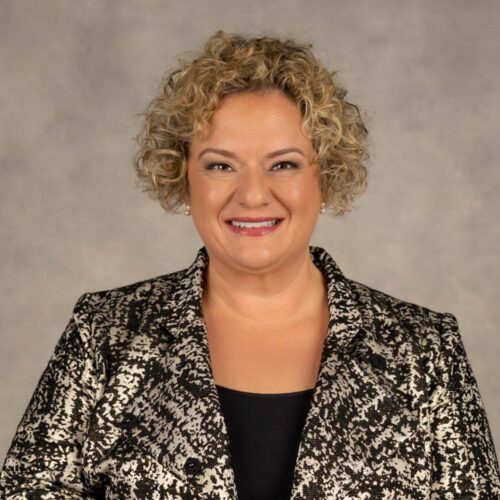
Leanne Linsky looked at this system and said: This is bananas.
As a comedian turned entrepreneur, Leanne is redefining the way we experience comedy. As the founder and CEO of Plauzzable, an innovative online comedy platform, she’s on a mission to bring people together through laughter—no matter where they are.
With a background in business, innovation, and entrepreneurship, Leanne blends her sharp comedic skills with strategic thinking. She’s combining comedy and technology to build an inclusive space for comedians and audiences to connect virtually, making standup more accessible than ever—and proving that laughter is serious business.
But here’s what makes Leanne’s story urgent for business executives today:
She didn’t just stumble into this. She didn’t “pivot” during COVID like so many others.
She strategically built this business by:
- Going back to school at 50 to get a master’s degree in innovation and entrepreneurship
- Immersing herself in the startup ecosystem—incubators, accelerators, networks
- Building a two-sided marketplace with a customized video streaming service
- Creating a platform that puts comedians in control of their careers—and gives audiences seamless access to live comedy anywhere in the world
Leanne’s thesis: “The network is what matters. And the rule is: apply it now.”
For business executives—especially those navigating digital transformation, platform business models, and the challenge of scaling a service-based business—Leanne’s journey offers a masterclass in intentional entrepreneurship, strategic education, and building for accessibility and equity.
Here are the three key takeaways from Leanne’s journey that every executive must internalize if you want to disrupt an industry, build a scalable platform, and create a business that democratizes access to something people desperately need.
Takeaway 1: Strategic Education at 50 Is a Competitive Advantage—Not a Detour
Most entrepreneurs don’t say, “Hey, wait. I need to take a beat and go get a master’s degree to figure out how to do what I want to do.”
Most of us fail fast, learn from trial and error, and move on.
But Leanne did something different. And it changed everything.
The Decision: Staying Relevant at 50
Leanne’s reflection: “Many, many years ago, I had always said to myself: At the age of 50, I want to reconsider going back to school because I want to stay relevant. I want to always be learning. I want to come from a place where things are exciting.”
This is the mindset of a lifetime learner.
Not someone who’s coasting. Not someone who thinks they’ve “made it.” But someone who recognizes that the world is changing—and the business knowledge she had was not the business knowledge that was going to take her into the future.
As Leanne approached her 50th birthday, she started hunting around. An MBA? “That seems like I want to go work for another organization. What would that really do for me?”
Then she found it: University of California, Irvine’s new master’s program in innovation and entrepreneurship.
The inaugural class? Class of 2020.
Leanne: “Amazing that an innovative and disruptive program like that happens during a pandemic.”
She threw her hat in the ring. Got accepted. And crammed the entire program into one year instead of two.
Why? “I have to move quickly. I want to take and apply this every day.”
The Real Value: The Network
Leanne’s insight: “What I did not know is that there were things like incubators and accelerators and all these other opportunities for startup businesses. I had never heard of them before because I wasn’t in that ecosystem.”
This is the gap most entrepreneurs face. We don’t know what we don’t know.
But by going back to school, Leanne didn’t just learn skills. She immersed herself in the startup ecosystem.
“The true value comes from the network. Yes, you learn skills. But you walk away with a network that you might not have otherwise had. And your network connects you and gets you introductions, job opportunities, investments.”
This is the same strategy Leanne used when she moved to New York in 2001. She packed two suitcases and jumped into an ecosystem that’s all about entertainment and the arts.
“I went all in. I put myself in the pool like a sponge and soaked up everything I could.”
She ran an open mic for seven and a half years. She performed. She made connections. She built a network.
And when she went back to school, she did the same thing—but in the business world.
“I got accepted into an incubator and accelerator. That really propelled my company forward. You get investments. You start building a team. That’s where the real value came in.”
The Intention: Apply It Now
Leanne’s rule: “Every day I would go to class with the intention of: How can I take this and apply it now?”
This is the difference between strategic education and passive learning.
Leanne didn’t spend time and money hoping something would come out of it. She went in with a purpose: “I have a limited amount of time in this program. I want to take and apply this every day.”
This is the mindset of an intentional entrepreneur.
Not someone who’s learning for the sake of learning. But someone who’s learning to accelerate execution.
Why This Matters for Executives
If you’re a business executive, you need to ask: When was the last time I invested in strategic education?
Not a weekend seminar. Not a podcast binge. But immersive, intentional learning that puts you in a new ecosystem, expands your network, and gives you access to resources you didn’t know existed.
Practical executive moves:
- Audit your knowledge gaps. What do you need to learn to take your business to the next level? Digital transformation? Platform business models? AI? Web3?
- Invest in strategic education. This could be a master’s program, an executive MBA, an accelerator, or an incubator. The key: immersion in a new ecosystem.
- Go in with intention. Don’t just learn. Apply it now. Every day, ask: How can I take this and use it today?
- Build your network. The true value of education is the network. Who are you meeting? Who can introduce you to investors, partners, and customers?
- Stay relevant. The world is changing fast. The business knowledge you have today may not be the knowledge you need tomorrow. Commit to being a lifetime learner.
- Don’t let age be a barrier. Leanne went back to school at 50. It’s never too late to invest in yourself.
Takeaway 2: Platform Business Models Democratize Access—And Create Equity for Creators
Leanne didn’t just build a website. She built a two-sided marketplace.
And that distinction is everything.
The Vision: A Two-Sided Marketplace for Comedy
Leanne’s explanation: “I call it a live online comedy platform. In business terms, it’s a two-sided marketplace. Think of Etsy. You come in and shop for gifts from small businesses anywhere in the world. You can browse, search, and go to shop profile pages. Those shops are independent creators. They run their own business. They just have this platform with all the tools to display what they’re offering.”
Plauzzable is like that—but for live online comedy.
On one side: Comedians. Independent creators who can:
- Create a profile
- List their shows, podcasts, workshops
- Set their own prices (or offer free events)
- Sell tickets
- Perform live
- Walk away with 60% of ticket sales—no minimums, no hoops, no fine print
On the other side: Audiences. Fans who can:
- Browse a talent directory
- Search for comedians
- Browse event listings
- Purchase tickets (or attend free events)
- Get reminders
- Join the show in real time—all on one platform
The Customer Experience: Seamless and Integrated
Leanne’s goal: “I wanted to make it a one-stop shop. You don’t have to leave and go to Eventbrite and wait for an email. It’s all on Plauzzable.”
This is the power of integrated platform design.
The customer journey:
- Log in
- Browse
- Purchase
- Get a reminder
- Click “Join.”
- Test audio/video in a virtual lobby
- Enter the virtual room
“It’s arranged in a way that the focus is on the performer, but you can still see and hear everybody else in the room—without feeling like you’re in a meeting with Bob from accounting.”
This is intentional design. Not just functional. But experiential.
The Creator Equity: Putting Comedians in Control
Here’s what most people don’t know about comedy:
Most comedians don’t get paid.
Leanne’s insight: “When they’re starting, they’re not paid—or they barter. They work for the theater in exchange for stage time. They sell tickets in exchange for stage time. For each ticket they sell, they get a minute. Or they take classes and maybe get a couple of minutes on stage. Unless they’re a feature or a headliner, they’re probably not getting paid. Maybe it’s drink tickets, burgers, a few bucks, some gas money. Not enough to fill out taxes.”
This is the exploitation model that’s dominated comedy for decades.
And Leanne said: No more.
The Plauzzable Model: Transparent, Simple Math
Leanne’s philosophy: “I’m not a fan of tipping because there’s bias in tipping. If you look at the history of tipping, it can hurt certain communities—based on gender, race, and more. It’s not equal. Also, you can’t count on it. And some people won’t tip but will use your service. So how do you put value on it?”
“As an artist, I think it’s really important to start putting a price on your work—especially if you want bookers and show producers to take you seriously.”
The Plauzzable model:
- No subscription minimums. You don’t need X number of followers or hours watched.
- No ad revenue hoops. You don’t have to write hundreds of hours of material and hope people watch it enough times to make pennies on ads.
- Simple math: You sell one ticket, you walk away with 60% of the sale.
- No hidden fees. Plauzzable handles all processing fees and add-ons on its side.
- No venue costs. You don’t have to book a venue or come out of pocket.
“You sell one ticket, you’re already making money. You don’t have to have a minimum number of followers, views, or sign-ups. You just have to perform a good show and sell a ticket. That’s it.”
This is creator equity.
The Reach: Democratizing Access for Comedians and Audiences
Leanne’s vision: “I think about all those people in Minnesota or Kansas or somewhere that don’t have all the big clubs and the big industry players in their hometown. How do you reach them? This is another way to do that.”
“I had the luxury of packing up two suitcases and moving. I had that freedom. But not everybody does. There are a lot of talented people. Why not give them that break too?”
This is the power of platform business models: They democratize access.
For comedians:
- You don’t have to live in New York or LA
- You don’t have to work for free for years
- You don’t have to hope a booker notices you
- You can build your business, your credibility, your reach—from anywhere
For audiences:
- You don’t have to live near a comedy club
- You don’t have to pay for parking, babysitters, and two-drink minimums
- You can watch live comedy from anywhere in the world
Why This Matters for Executives
If you’re building a service-based business, you need to ask: How can I turn this into a platform?
Practical executive moves:
- Study two-sided marketplaces. Etsy, Airbnb, Uber, Plauzzable. What do they have in common? They connect creators/providers with customers—and take a percentage.
- Design for seamless customer experience. Integrated, one-stop-shop platforms win. Don’t make customers leave your platform to complete a transaction.
- Build for creator equity. If your platform depends on creators, how are you empowering them? Are you transparent? Are you fair? Are you putting them in control?
- Democratize access. Who’s being left out of your industry because of geography, gatekeeping, or exploitation? How can you level the playing field?
- Focus on simple math. Complexity kills adoption. Make it easy for creators to understand how they make money.
- Eliminate hidden fees. Transparency builds trust. If you’re taking a cut, be upfront about it.
Takeaway 3: The Network Is What Matters—And You Must Immerse Yourself in the Ecosystem
Leanne’s journey is a masterclass in network-driven entrepreneurship.
She didn’t just have a good idea. She immersed herself in ecosystems twice.
The First Immersion: New York Comedy Scene
In 2001, Leanne was working at a Fortune 500 company. She did a lot of public speaking and wanted to infuse humor into it. Her coworkers encouraged her to take a comedy writing class.
She loved it. It snowballed.
Fast forward: She’d been at the company for nearly 13 years. Then she was laid off.
But during the last five years, she’d been doing comedy nights and weekends. She’d always said, “If I didn’t have this job, I would move to New York.”
A friend called: “I’m moving to New York this summer. Do you want to sublet a room with me? You have one hour.”
Leanne thought about it for a few minutes. Called him back. “I’m in.”
She packed two suitcases, a month later, and moved to New York City. Went all in on comedy.
She stayed for nearly nine years. She ran an open mic for seven and a half years. She performed. She made connections.
“I jumped into an ecosystem that’s all about entertainment and the arts. I went all in. I put myself in the pool like a sponge and soaked up everything I could.”
This is the power of ecosystem immersion.
The Second Immersion: Startup Ecosystem
When Leanne went back to school at 50, she did the same thing—but in the business world.
“By immersing myself in the startup ecosystem, I got accepted into an incubator and an accelerator. That really propelled my company forward. You get investments. You start building a team. That’s where the real value came in.”
This is the pattern: Immerse. Absorb. Connect. Apply.
The Plauzzable Origin Story: BC (Before COVID)
Leanne moved to California in 2014/2015. Suddenly, she was spending more time in traffic than on any stage.
“I was like, ‘What? This is bananas.’ So taking things online became important to me because it was a way to bridge a gap.”
She wasn’t trying to replace in-person. “There’s a magic to in-person events and human connection that we need and will always want. But there was certainly something missing.”
She missed the connections she’d made in New York. “If I take it online—Skype, Zoom—I was using Zoom at that time for my day job. Maybe I’m gonna do this.”
Then life got “lifey.”
Fast forward to August 2019—BC (before COVID).
“I’m just going to go do this. I’m going to use Zoom and my WordPress site and cobble together all the existing technologies so I can try this out. It became my minimum viable product. People liked it.”
Then COVID happened. And suddenly, everybody was doing everything online.
The Problem: Existing Technology Wasn’t Built for Online Entertainment
Leanne’s insight: “Although the existing technology solved my immediate problem of bridging that gap, they presented new problems. They weren’t solving the problem for online entertainment and what our needs were as comedians.”
“Timing is of the essence. Audience, immediate audience response without delays. All those things are really important. And then also how the screens are laid out, how people sign up—all that.”
“So I was like, ‘How do I fix this? How do I make it even easier?”
This is the entrepreneur’s question: How do I solve a problem that existing solutions don’t address?
The Solution: Build a Customized Video Streaming Service
Leanne went back to school. Got her master’s. Learned how to scale. Built a team. Mapped out her vision.
And built a customized video streaming service specifically for comedy.
Not Zoom. Not Google Meets. Not a generic platform.
A platform designed for:
- Timing
- Immediate audience response
- Screen layout that focuses on the performer
- Seamless ticketing and registration
- A virtual lobby to test audio/video
- A virtual room where everyone can see and hear each other—without feeling like you’re in a meeting with Bob from accounting
This is an intentional design for a specific use case.
Why This Matters for Executives
If you’re building a business, you need to ask: Am I immersing myself in the ecosystem?
Practical executive moves:
- Identify the ecosystem. Where are the people, resources, and opportunities in your industry? Conferences? Incubators? Accelerators? Online communities?
- Immerse yourself. Don’t just attend. Go all in. Be a sponge. Absorb everything.
- Build your network. The network is what matters. Who are you meeting? Who can open doors for you?
- Apply it now. Don’t just learn. Take what you learn and apply it immediately.
- Build for your specific use case. Don’t settle for generic solutions. If existing technology doesn’t solve your problem, build your own.
- Start with an MVP. Leanne cobbled together Zoom and WordPress. It wasn’t perfect. But it validated the idea. Then she built the real thing.
- Stay ahead of the curve. Leanne started in August 2019—before COVID. By the time the world went online, she was already there.
The Bigger Picture: Comedy, Breaking News, and the Business of Laughter
Leanne’s journey is a reminder that laughter is serious business.
Comedy is the second-largest streaming genre, second only to breaking news.
And in a world drowning in breaking news, we need comedy to recover.
The Plauzzable Mission: Bringing People Together Through Laughter
Leanne’s vision: “I’m on a mission to bring people together through laughter—no matter where they are.”
This is the power of purpose-driven entrepreneurship.
Not just building a business. But building a business that makes the world a little better.
The Accessibility Mandate: Leveling the Playing Field
Leanne’s mandate: “I think it really levels the playing field and gives people more access and opportunity to expand their career. It definitely doesn’t have to replace any of the other components, but it can definitely expand their reach.”
This is the heart of democratization.
For comedians:
- You don’t have to live in a comedy hub
- You don’t have to work for free
- You don’t have to hope for a big break
- You can build your business from anywhere
For audiences:
- You don’t have to live near a comedy club
- You can watch live comedy from anywhere
- You can discover new talent
- You can support comedians directly
The Credibility Hub: A Single Place to Build Your Brand
Leanne’s insight: “If I’m in Duluth, Minnesota, a booking agent in New York is never going to know who I am. But now we can provide a much larger reach.”
“If I’m as funny as I think I am, I can actually grow, book gigs on the road, and build the more traditional side of the business—because I have that single place to drive people back to. Here’s my body of work.”
This is the power of a platform as a portfolio.
Why This Matters for Executives
If you’re building a business, you need to ask: What’s the bigger mission?
Practical executive moves:
- Define your purpose. Why does your business exist? What problem are you solving? What impact are you making?
- Build for accessibility. Who’s being left out? How can you democratize access?
- Create a credibility hub. How can your platform help creators build their brand, showcase their work, and reach new audiences?
- Think beyond transactions. You’re not just facilitating sales. You’re building a community, a movement, a mission.
- Stay true to your vision. Leanne could have built a generic video platform. But she built one specifically for comedy. That specificity is her competitive advantage.
The Executive Playbook: What to Do This Quarter
If Leanne’s insights resonate, here’s where to start—this quarter:
- Invest in strategic education. What do you need to learn to take your business to the next level? Find a program, accelerator, or incubator. Go in with intention.
- Immerse yourself in the ecosystem. Where are the people, resources, and opportunities in your industry? Go all in. Be a sponge.
- Build your network. The network is what matters. Who are you meeting? Who can open doors for you?
- Apply it now. Don’t just learn. Take what you learn and apply it immediately.
- Study two-sided marketplaces. How can you turn your service-based business into a platform? Who are the creators? Who are the customers?
- Design for seamless customer experience. Integrated, one-stop-shop platforms win. Don’t make customers leave your platform.
- Build for creator equity. If your platform depends on creators, how are you empowering them? Transparency, fairness, control.
- Democratize access. Who’s being left out? How can you level the playing field?
- Build for your specific use case. Don’t settle for generic solutions. If existing technology doesn’t solve your problem, build your own.
- Define your purpose. Why does your business exist? What impact are you making?
Final Thoughts: The Network, The Mission, and The Rule
Leanne’s story is a reminder that entrepreneurship is not just about having a good idea.
It’s about:
- Strategic education (going back to school at 50 to stay relevant)
- Ecosystem immersion (jumping into the startup world as she jumped into the New York comedy scene)
- Network-driven growth (the true value is the connections you make)
- Intentional execution (apply it now—don’t wait)
- Platform thinking (building a two-sided marketplace that democratizes access)
- Creator equity (putting comedians in control of their careers)
- Purpose-driven mission (bringing people together through laughter)
For business executives—especially those navigating digital transformation, platform business models, and the challenge of scaling a service-based business—Leanne’s journey offers a roadmap:
The network is what matters. And the rule is: apply it now.
Executives, the world is changing fast. The question is: Are you immersing yourself in the ecosystem? Are you building for accessibility and equity? Are you applying what you learn—now?
Listen to the full episode on C-Suite Radio: Disrupt & Innovate | C-Suite Network
Watch the episode: DI 131 Laughter as a Business: Leanne Linsky’s Journey.
This article was drafted with the assistance of an AI writing assistant (Abacus.AI’s ChatLLM Teams) and edited by Lisa L. Levy for accuracy, tone, and final content.