


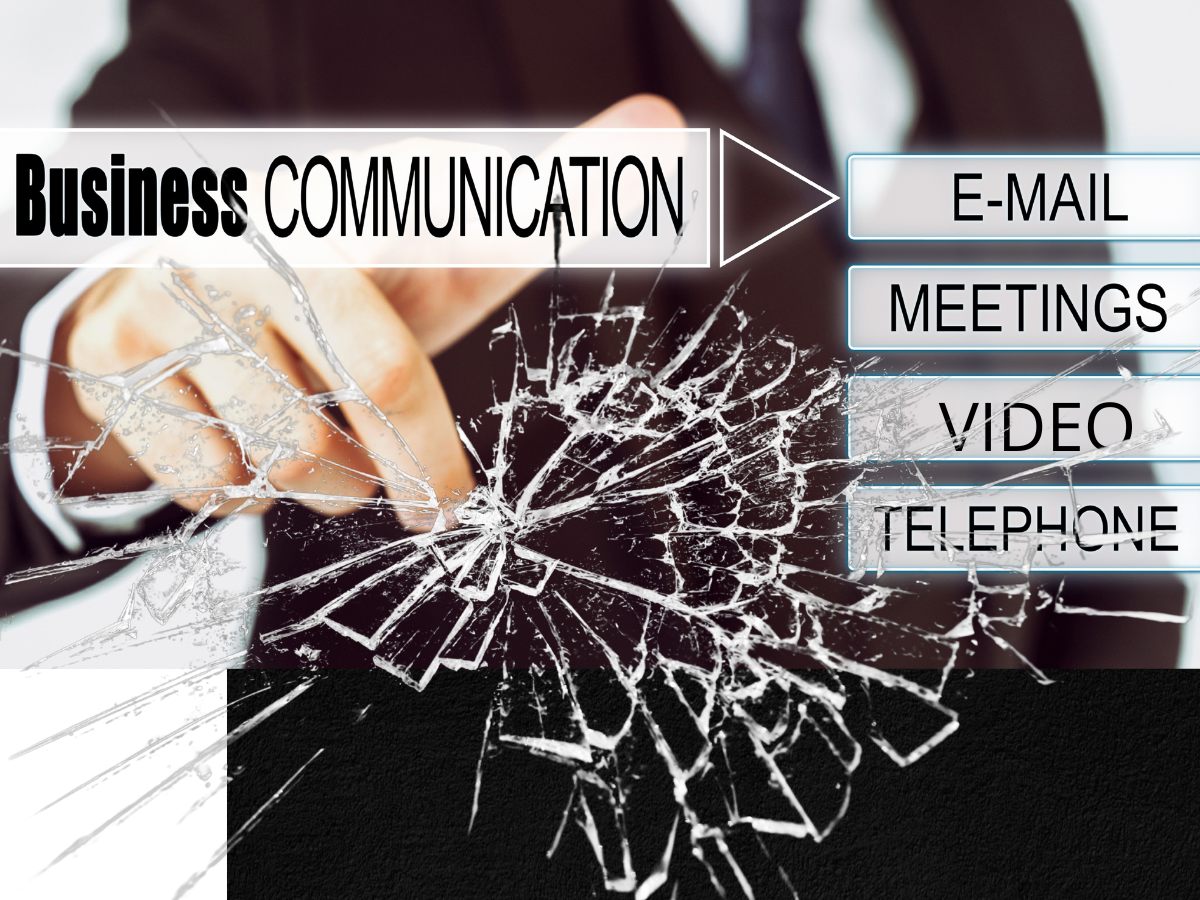
Email was never designed to lead organizations.
It was built to move information not to convey tone, urgency, or trust. Yet for decades, leaders have relied on it as the backbone of business communication. That dependence is starting to show cracks, especially in a world where speed, clarity, and authenticity matter more than ever.
That’s why my recent conversation with Victor Cho, CEO of Emovid, stood out. Not because of a new piece of technology, but because it addressed a problem many leaders feel every day but rarely name: our primary communication tools no longer match how leadership actually works.
The Hidden Cost of Email
Email creates distance. It removes facial expression, body language, and context. Leaders compensate by writing longer messages, scheduling follow-up meetings, or looping in more people than necessary often creating more confusion, not less.
The result is familiar: crowded inboxes, meeting-heavy calendars, and decisions that take longer than they should. None of that builds trust. None of it strengthens culture.
As Victor pointed out, businesses succeed through relationships, yet most digital communication tools were never built to support relationship-building at scale. Email, for all its convenience, simply wasn’t designed for that job.
A Shift in How Work Gets Done
Today, most organizations rely on three primary communication tools: email, real-time messaging, and video conferencing. According to a 2024 survey, 36 percent of employees say email is their primary tools; followed by online chat and messaging platforms with 26 percent. However, 94 percent feels video improves collaboration and boosts productivity.
Each has a role, but all come with trade-offs. Real-time tools demand immediate attention. Video meetings require alignment across schedules. Email lingers without clarity.
What’s emerging, what Victor described as a “fourth communication platform” is asynchronous, video-based communication. It allows leaders to speak clearly, teams to respond thoughtfully, and work to move forward without the constant pressure of being “on” at the same time.
The concept is simple: record a message when it makes sense, consume it when it works, and respond with context intact. That approach respects time while preserving the human elements email strips away.
Where AI Actually Helps
Much of the conversation around AI focuses on automation and efficiency, often at the expense of authenticity. What stood out in my discussion with Victor was a different philosophy: AI should support communication, not replace it.
Used well, AI handles the mechanics, transcripts, summaries, organizing responses, so leaders can focus on substance. It allows people to quickly scan or revisit key points without losing the original message or intent.
Just as important is knowing where to draw the line. There’s a meaningful difference between AI-enhanced communication and AI-generated presence. When leadership communication becomes synthetic, trust erodes quickly. Preserving the reality of who is speaking and ensuring that messages are authentic matters more now than ever.
Authenticity as a Leadership Requirement
Trust in digital communication is declining. Many people assume emails are auto-generated. Polished messaging is often met with skepticism. In that environment, authenticity becomes a differentiator, not a branding exercise, but a leadership requirement.
Tools that allow leaders to communicate clearly, visibly, and truthfully help restore that trust. They don’t replace conversation; they make it more accessible. They don’t remove humanity; they protect it.
Victor shared how even investors and enterprise teams are reevaluating how they communicate internally and externally because of this trust gap. That shift isn’t about adopting the newest tool, it’s about adapting to a new reality.
Built for Leadership, Not Just Convenience
Security, privacy, and control are table stakes for any modern communication platform, especially at the executive level. But the more meaningful value comes from reducing friction less back-and-forth, fewer unnecessary meetings, and clearer alignment.
When communication improves, time is reclaimed. Decisions move faster. Teams operate with more confidence. That’s not a technology outcome, it’s a leadership one.
The Bigger Picture
Email won’t disappear overnight. But its role is changing. Leaders who continue to rely on it as their primary tool for alignment and direction will feel increasing strain.
What conversations like this highlight is a broader shift: leadership communication is becoming more intentional, more human, and more adaptable. The tools we choose should support that, not get in the way.
My conversation with Victor Cho was about recognizing a reality many leaders already know: how we communicate determines how we lead.
And it’s time our tools caught up.
Watch the full episode on C-Suite TV.

