Mastering AI for Optimal Content Creation
When we discuss artificial intelligence in content creation, we’re often caught up in its output—what it produces. However, comprehending how it gets there is equally illuminating, especially for those who aim to harness its capabilities for more insightful and precise text. There are, essentially, four major elements when an AI model generates text.
The first is the training data, a compilation of extensive and diverse text samples from multiple sources. This is the foundational layer of AI with a broad base of existing knowledge. The role of this data can’t be understated; it serves as the raw material on which all subsequent activity is based.
The next element is the algorithmic interpretation of this data. Unlike the human mind, which comprehends and processes information organically, AI relies on mathematical formulas to sift through its training data. The algorithm identifies patterns, gauges context, and forecasts subsequent text, albeit without real comprehension. Essentially, it excels at determining what text is likely to come next based on statistical probabilities.
Then comes the user input, a crucial pivot in the AI text generation process. When you present a query or a prompt to an AI model, it matches your input against the patterns it has unearthed during its training. This doesn’t mean the AI is surfing the web to find real-time answers; instead, it leverages its internal database of pre-learned information to formulate a relevant response.
 Be our guestYour next big opportunity could be in a room you're not in.Meet CEOs, founders and owners at a reception in your city or online. Your first event is on us.Request my guest seat →
Lastly, we reach the output stage, where the AI produces the text after the steps mentioned earlier. The primary objective is to ensure the output is coherent, contextually appropriate, and grammatically sound.
So, why should any of this matter to you? The more you comprehend the intricacies of AI writing, the better equipped you are to fine-tune your queries for more accurate and meaningful responses. Being aware of AI’s capabilities and limitations enables you to tailor your input to elicit detailed output, thus amplifying the quality of the resultant text. So, while AI may not replace the unique qualities of human creativity, it can certainly act as a powerful tool for those who know how to wield it effectively.
Opinions expressed by C-Suite Network contributors are their own.
 Revenue Fixes a Lot: What Business Leaders Get Wrong About Sales, Tools, and PerformanceBy Lisa L. Levy
 Five Questions to Ask Before You Hire an Experiential Marketing AgencyBy Sheila Rondeau
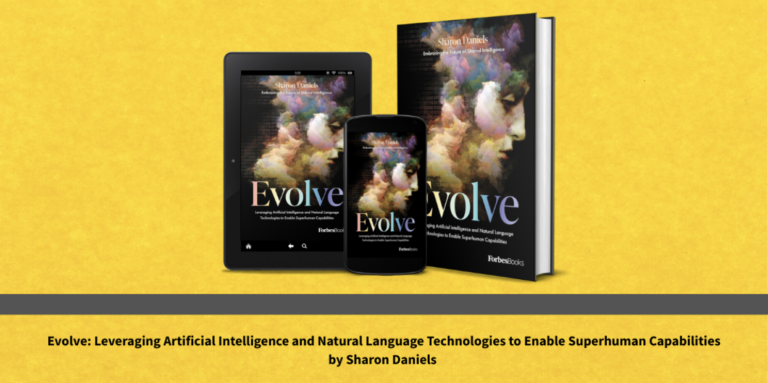 The CEO Who Built a Company Around Language Just Wrote the Book That Explains Why Language Is the Most Important Technology in Human HistoryBy Michael Beas
 C-Suite TV · 26 minTurning Passion Into Profit: Brandon Steiner on Sports, Storytelling & Building a Collectibles Business
 C-Suite Radio · Crunching Your Growth – Growth ClassRegulated Wellness Ecommerce: Growing a THC-Free Brand with Bobby Riganati
 Chairman's Corner · Jeffrey HayzlettYour Best Performer Might Be Your Biggest Problem. And It’s Contagious.
Meet the founders, CEOs and operators behind stories like this one. Next reception: Dallas Executive Reception, Wed, Nov 18.
Attend as a guestMembership: $100/mo →