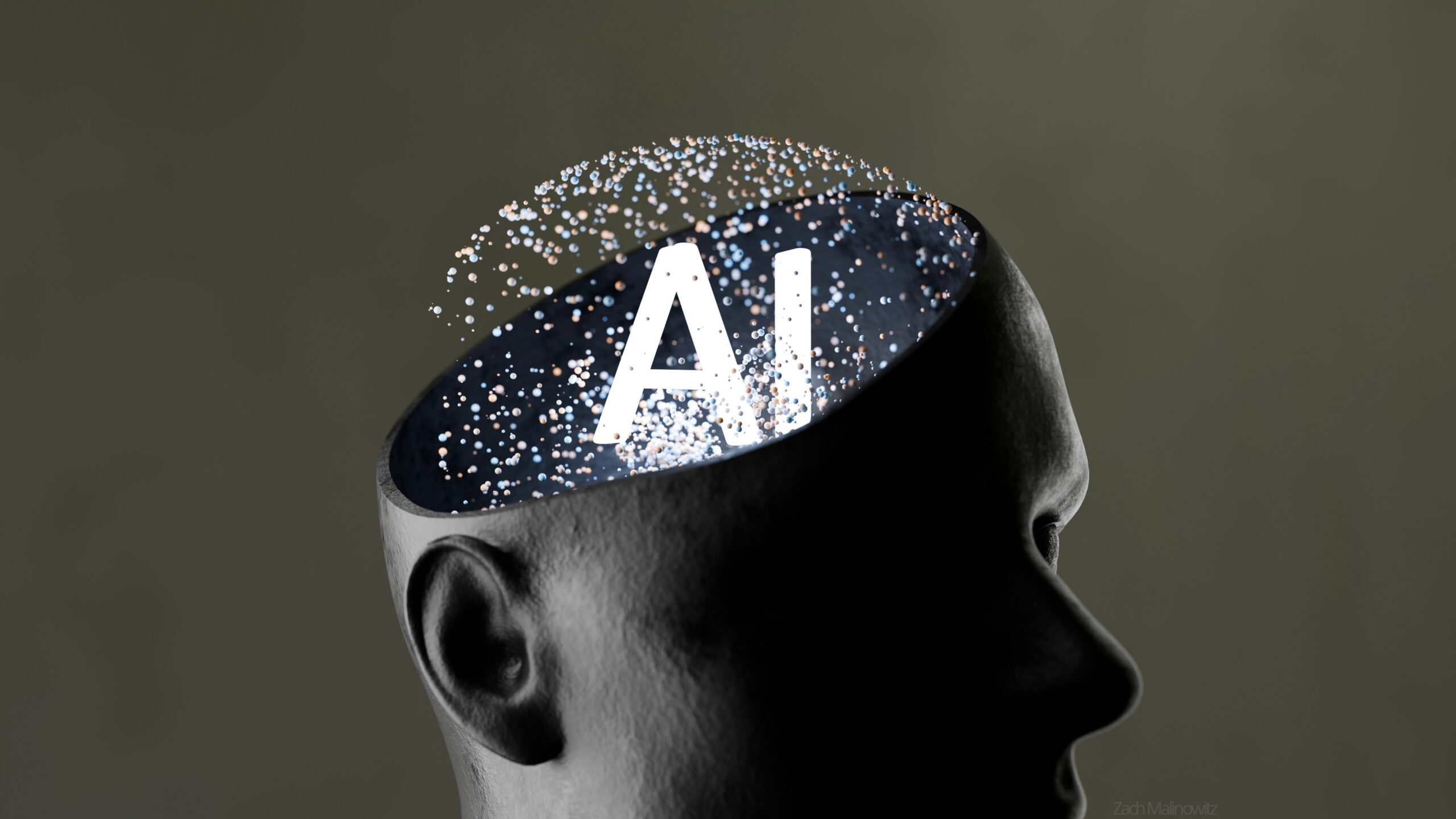
Artificial intelligence is changing how entrepreneurs make decisions. But are we moving faster than we’re thinking?
I’ve been in business long enough to know that some of the most expensive mistakes start with good intentions.
We make decisions based on the information available. We trust the people advising us. We move forward believing we’ve done our homework.
Then something happens that reveals what we didn’t know.
Today, artificial intelligence is changing that equation in ways we’ve never experienced before.
And I believe it’s one of the most powerful tools entrepreneurs have ever had.
But there’s something about AI that concerns me.
It can make us feel informed before we actually are.
The Confidence Trap
Think about the last time you asked AI a question.
Within seconds, you probably received a well-organized, confident response. Maybe it included a step-by-step plan, supporting explanations, or even documents ready to use.
It’s impressive.
But here’s what I’ve learned over decades of building businesses:
The quality of a decision depends on more than the quality of the answer. It depends on whether you’re asking the right questions.
And sometimes the most important question is the one you don’t know to ask.
Consider an entrepreneur starting a new venture.
AI can help research the opportunity, compare business structures, draft agreements, and outline the steps to get started.
What it may not recognize is the complexity hiding behind a seemingly simple decision.
A partnership that needs a more thoughtful agreement. A business operating across state lines. An ownership arrangement that creates unintended exposure. A document that looks complete but doesn’t reflect the realities of the business.
None of these issues necessarily jumps off the page.
And that’s what makes them dangerous.
We’ve Never Had More Information. Have We Ever Had Better Judgment?
I see entrepreneurs using AI to evaluate investments, analyze financial decisions, develop tax strategies, and make significant changes to their businesses.
That’s exciting.
But access to information and the ability to interpret it are two very different things.
AI doesn’t necessarily understand the history behind your decisions, the relationships involved, or the consequences of getting something wrong.
It can help you explore possibilities.
It can’t take responsibility for the outcome.
And in business, responsibility ultimately rests with the owner.
The Value of Experience Is Changing, Not Disappearing
I don’t believe AI will make experienced advisors, attorneys, accountants, or business strategists irrelevant.
I believe it will change how we use them.
Instead of paying someone to gather basic information, we can arrive better prepared.
Instead of starting a conversation from scratch, we can ask more informed questions.
But there is tremendous value in sitting across from someone who has seen what happens when things go wrong.
Someone who recognizes the risks you haven’t considered.
Someone willing to challenge your assumptions instead of simply agreeing with them.
Sometimes the most valuable advice isn’t an answer. It’s a question that changes your entire perspective.
Speed Is an Advantage. Until It Isn’t.
As entrepreneurs, we’re rewarded for moving quickly.
We see an opportunity and act. We find efficiencies and embrace them. We look for ways to accomplish more with fewer resources.
AI accelerates all of that.
But not every business decision should be made at the speed of technology.
Some decisions deserve a second opinion.
Some documents deserve another set of eyes.
And some risks deserve more attention than a five-minute conversation with a chatbot.
The goal shouldn’t be to make every decision faster.
It should be to make better decisions with the time and tools we have.
The Question Every Business Owner Should Be Asking
AI isn’t going away, and I wouldn’t want it to.
I believe entrepreneurs who learn to use it effectively will have an enormous advantage.
But I also believe the winners will be those who combine technology with experience, curiosity, and sound judgment.
So the next time AI gives you an answer that sounds exactly right, ask yourself one more question:
What am I not asking?
That question might be more valuable than the answer itself.