

Key Technologies in Industrial Equipment and Fleet Fueling
In today’s industrial landscape, efficient operations hinge on a critical resource: fuel. For industrial equipment and commercial fleets, optimizing fueling practices isn’t just about keeping vehicles running. It’s about ensuring continuous productivity, controlling significant operational costs, and maintaining site safety.
The challenges are complex. We face everything from managing diverse fuel types and ensuring regulatory compliance to preventing theft and maximizing uptime. Our goal is to empower fleet and operations managers with the knowledge to navigate these complexities.
This guide delves into modern fueling solutions for the diverse range of industrial processing equipment that powers today’s operations, helping operators make informed choices. From selecting the right fuel types, such as natural gas variants, to implementing advanced automated distribution systems and integrating sophisticated software controls, every decision impacts the bottom line. We will also explore flexible deployment models, crucial compliance standards, and the overall total cost of ownership.
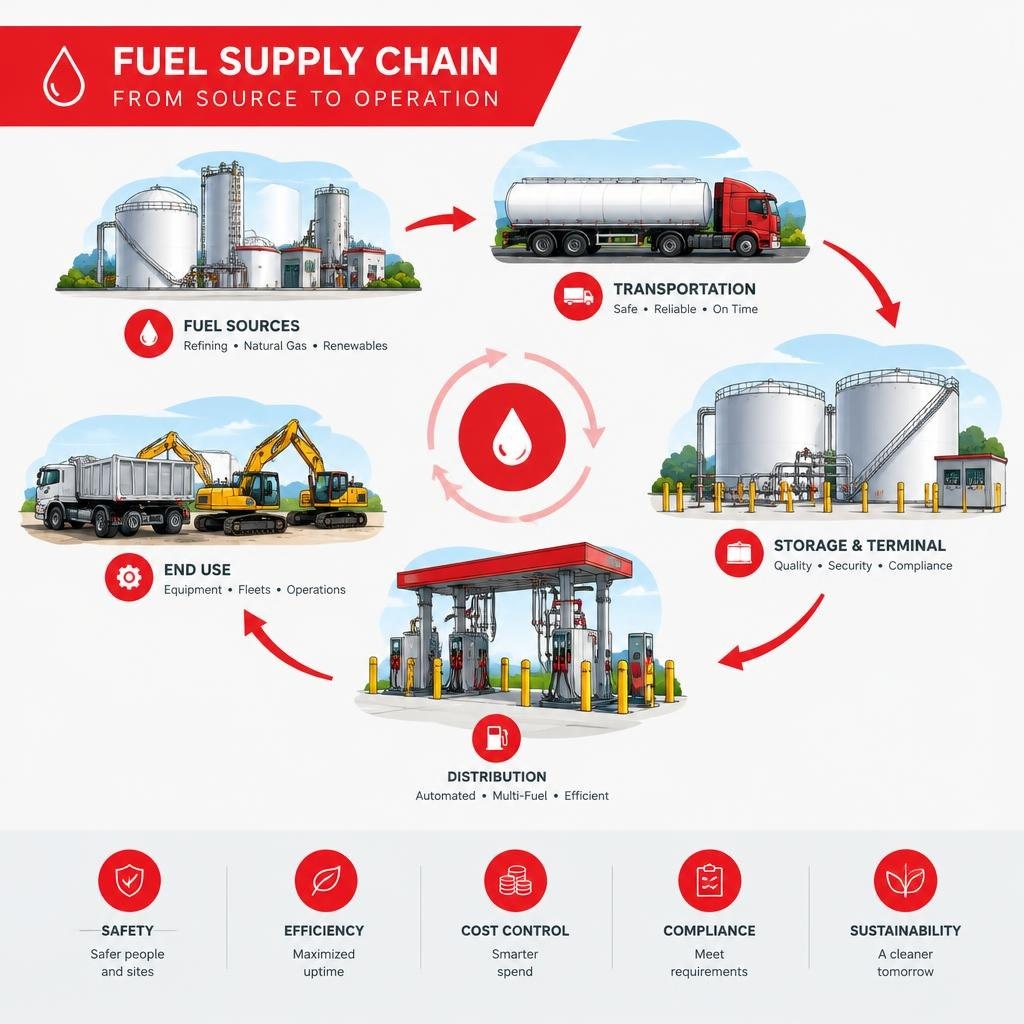
The landscape of industrial and fleet fueling is rapidly evolving, driven by demands for greater efficiency, enhanced safety, and reduced environmental impact. Modern technologies offer sophisticated solutions, from diverse fuel options to advanced distribution and management systems.
Natural Gas Variants and Alternative Fuels in Industrial Equipment and Fleet Fueling
For fleet and industrial operations, natural gas presents a compelling alternative to traditional liquid fuels, primarily due to its lower cost and reduced emissions. However, understanding the distinctions between its common forms—Compressed Natural Gas (CNG), Piped Natural Gas (PNG), and Liquefied Natural Gas (LNG)—is crucial for effective implementation.
Compressed Natural Gas (CNG) is natural gas stored at high pressure, typically between 2,900 and 3,600 pounds per square inch (psi). It is primarily used for vehicles and is distributed via dedicated fueling stations. CNG compression requires specialized equipment to achieve these high pressures, but it offers a relatively widespread refueling network, making it a viable option for fleets seeking to reduce fuel costs and achieve high fuel share in their operations.
Piped Natural Gas (PNG), on the other hand, is delivered directly to homes, commercial establishments, and industrial facilities through a network of pipelines. This continuous pipeline distribution eliminates the need for storage and transport logistics at the user end, offering a constant, low-cost supply. For industrial processes, PNG can replace other fuels like LPG, leading to smoother operations and reduced pollution. Its primary advantage lies in its uninterrupted supply and elimination of cylinder handling.
Liquefied Natural Gas (LNG) is natural gas that has been cooled to approximately -260°F (-162°C), changing it into a liquid state. This cryogenic process significantly reduces its volume, allowing for efficient transport and storage in large quantities. LNG has a higher energy density than CNG, making it suitable for heavy-duty vehicles, marine applications, and remote industrial sites where pipeline access is unavailable. However, it requires specialized cryogenic storage tanks and handling equipment.
Integrating dual-fuel systems, where engines can run on both natural gas and diesel, offers flexibility, allowing operators to leverage the benefits of natural gas while retaining the range and power of diesel when needed. The choice among these variants depends on factors such as energy density requirements, storage pressures, emissions reduction goals, and the specific infrastructure available.
Feature Compressed Natural Gas (CNG) Piped Natural Gas (PNG) Liquefied Natural Gas (LNG) State Gas (high pressure) Gas (low pressure) Liquid (cryogenic) Storage/Delivery High-pressure cylinders, dispensed at stations Pipelines Cryogenic tanks Energy Density Moderate Low (at point of use) High Primary Use Light to heavy-duty vehicles Industrial, commercial, residential processes Heavy-duty vehicles, marine, remote power InfrastructureCompression stations, vehicle tanks Extensive pipeline network Liquefaction plants, cryogenic transport/storage Emissions Lower than diesel/gasoline Lower than diesel/gasoline Lower than diesel/gasoline
Automated Distribution and DEF Management in Industrial Equipment and Fleet Fueling
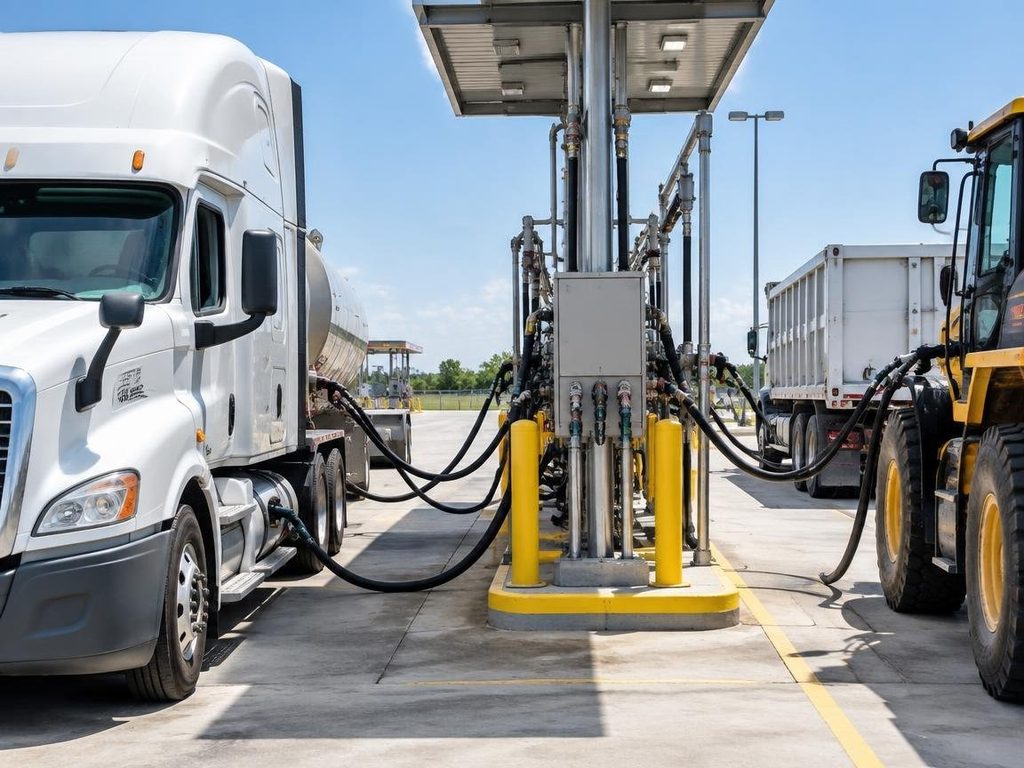
Automated diesel and Diesel Exhaust Fluid (DEF) distribution systems are transforming on-site fueling by significantly improving both safety and efficiency. Traditional manual fueling methods often involve personnel in hazardous environments, increasing the risk of spills, static discharge, and exposure to fuel vapors.
Modern automated systems, like the Daffy diesel distribution system, address these concerns by delivering fuel on demand through a closed, metered design. This approach minimizes human interaction in the “hot zone” and drastically reduces the potential for spills and static buildup. With onboard diesel storage of approximately 11,000 gallons, these systems can support long operational stages between refills. Furthermore, their ability to fuel up to 27 individual hose reels simultaneously across a distribution reach of approximately 420 feet allows for continuous, multi-pump fueling without interrupting operations. This simultaneous fueling capability is a major efficiency boost, ensuring equipment remains operational and productive.
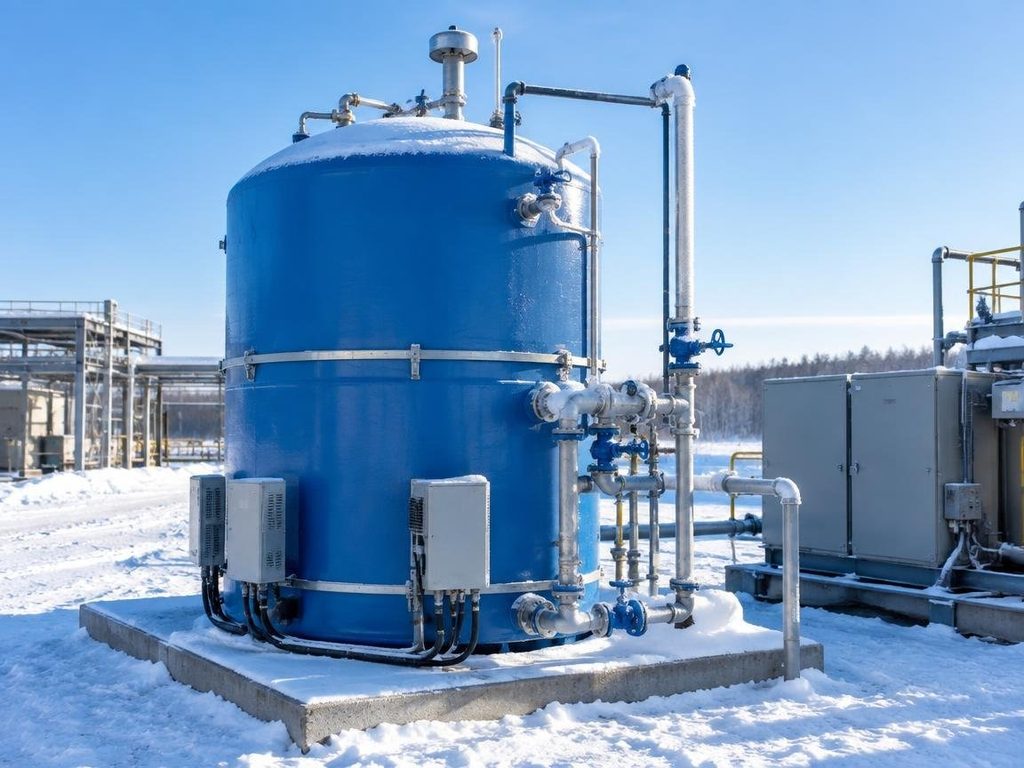
For Diesel Exhaust Fluid (DEF), which is critical for emissions control in modern diesel engines, proper storage and dispensing are paramount, especially in extreme cold. DEF freezes at 12°F (-11°C), making freeze prevention a key consideration. Heating and insulation solutions are necessary to maintain DEF in its liquid form, even in harsh winter conditions. Systems like the KleerBlue Fleet Deluxe Series feature robust R16 industrial-grade insulation and redundant heating mechanisms. These solutions ensure DEF remains viable for days, even during power failures, by maintaining an optimal temperature range down to -22°F (-30°C). Such systems often include triple-wall containment for added protection against temperature fluctuations, UV exposure, and impact. Compliance with standards like ISO 22241 is essential for DEF handling equipment, ensuring product purity and system integrity. Secondary containment features also prevent environmental contamination from potential leaks.
Integrated Fuel Management Software and Hardware Controls
The integration of fuel management software with dispensing hardware is a cornerstone of modern fleet and industrial fueling, offering real-time tracking, access control, and enhanced security. This synergy allows operators to move beyond manual logging to a precise, data-driven approach.
Smart pumps and app-controlled dispensing systems play a critical role in reducing fuel theft and improving traceability. These systems often feature built-in authorization protocols, such as two-stage authentication that validates both the driver and the vehicle using credentials like RFID tags or unique PINs. The PIUSI 3000 SUPREME smart diesel pump, for instance, delivers 50 l/min with ±0.5% accuracy and can be managed entirely via a smartphone app through Bluetooth connection. This level of control allows operators to start/stop dispensing, set flow limits, and view usage logs from a mobile device, significantly enhancing oversight.
Hardware like the AtlasX PRIME integrates the fuel controller directly into the dispenser. This eliminates the need for separate pedestals, which not only reduces installation costs—saving installers an average of $1,500 to $3,000 per pedestal—but also streamlines the fueling process for drivers. These integrated systems often include cloud telemetry capabilities, enabling real-time monitoring of fuel levels, dispensing events, and inventory reconciliation. By setting volume limits per vehicle or driver and maintaining comprehensive audit trails, fleet managers can precisely track consumption, identify anomalies, and prevent unauthorized fuel usage. This robust access control and detailed data capture are invaluable for operational efficiency and loss prevention.
Deployment Models, Compliance, and Total Cost of Ownership
Choosing the right fueling infrastructure involves more than just selecting a dispenser; it requires considering deployment flexibility, adherence to stringent regulations, and a comprehensive understanding of long-term costs.
Modular Skid-Mounted and Containerized Dispensing Systems
Modular, redeployable fuel systems offer significant advantages over permanent infrastructure, particularly for military, contingency, and remote industrial operations. These systems, often housed in ISO containers, provide exceptional operational flexibility. They can be deployed rapidly, often becoming operational in less than 24 hours, dramatically cutting down on the typical lead times and site preparation associated with fixed assets. This speed of deployment is a game-changer for time-sensitive missions or rapidly expanding projects.
For instance, Maytag DFS systems can be deployed in less than 24 hours and are scalable from 7,000 to 85,000+ gallons, offering 86% lower cost versus permanent infrastructure, 96% faster deployment, and 100% asset recovery. This asset recovery capability means the investment isn’t tied to a single location, providing immense value for dynamic operations.
Furthermore, these systems can be designed with a dual-island or multi-product architecture, optimizing space and throughput for commercial fleets. Eaglestar dual-island skid-mounted fuel stations offer customizable capacities from 10,000L to 60,000L with ±0.25% accuracy, capable of storing single, dual, or even triple fuel types. This multi-compartment design allows for simultaneous fueling of different vehicles with various fuel types, maximizing efficiency on busy sites. Features like double-wall tanks, internal generators for off-grid power, and high-flow pumping capabilities ensure reliability and autonomy in challenging environments. The ability to rapidly deploy and redeploy these units, and even facilitate mobile delivery of diesel in remote areas, underscores their strategic value for expeditionary fueling and field scalability.
Regulatory Compliance and Safety Standards
Adherence to compliance standards is non-negotiable in industrial fueling equipment, safeguarding both personnel and the environment. These standards, set by various national and international bodies, ensure that equipment is designed, manufactured, and operated safely.
Here are some key compliance certifications and why they matter:
- NFPA (National Fire Protection Association) Standards: These codes, particularly NFPA 30 (Flammable and Combustible Liquids Code) and NFPA 70 (National Electrical Code), dictate requirements for safe storage, handling, and dispensing of fuels. Compliance prevents fires and explosions.
- UL (Underwriters Laboratories) Certification: UL listing signifies that equipment has been tested and meets recognized safety standards. This is crucial for electrical components, pumps, and dispensers, ensuring they operate without posing undue risk.
- CSA (Canadian Standards Association) Listings: Similar to UL, CSA certification ensures products meet Canadian safety and performance standards, essential for equipment deployed across North America.
- ISO (International Organization for Standardization) Certifications: ISO standards, such as ISO 22241 for Diesel Exhaust Fluid (DEF), ensure product quality and equipment compatibility. For DEF, this guarantees the purity of the fluid and prevents damage to vehicle emissions systems.
- PEI RP1100 (Petroleum Equipment Institute Recommended Practices): These recommended practices provide guidelines for the installation and maintenance of petroleum dispensing equipment, ensuring best practices for safety and longevity.
Beyond these certifications, critical safety features include leak detection systems, emergency shutoffs, and explosion-proof enclosures for components operating in hazardous areas. These measures are vital for preventing environmental contamination, mitigating risks from accidental spills, and ensuring personnel safety.
Total Cost of Ownership and Operational Economics
When evaluating fueling solutions, focusing solely on the initial capital expenditure (CapEx) can be misleading. A comprehensive Total Cost of Ownership (TCO) analysis, comparing traditional fueling methods to automated or mobile solutions, reveals the true economic impact over the equipment’s lifecycle.
Traditional fueling often involves significant CapEx for permanent infrastructure, lengthy installation times, and ongoing operational expenditures (OpEx) for labor, maintenance, and potential environmental remediation from spills. Automated and mobile solutions, however, offer distinct advantages:
- Reduced Installation Costs: Integrated systems, like the AtlasX PRIME, can save between $1,500 and $3,000 per pedestal by combining the dispenser and fuel controller, simplifying wiring and labor.
- Faster Deployment and Asset Recovery: Modular systems, such as Maytag DFS, offer 96% faster deployment and 100% asset recovery, meaning initial investment isn’t sunk into a permanent structure. This flexibility drastically lowers the lifecycle cost compared to fixed infrastructure.
- Labor Reduction and Efficiency: Automated systems reduce the need for manual fuel handling, freeing up personnel for other tasks and minimizing fueling downtime. Multi-pump capabilities and remote monitoring streamline operations.
- Theft Prevention and Reconciliation: Smart pumps with access control and real-time tracking significantly reduce fuel theft and improve the accuracy of fuel reconciliation, leading to tangible savings.
- Environmental and Safety Cost Avoidance: Closed-loop dispensing and robust containment reduce the likelihood of spills, avoiding costly remediation efforts and potential fines. Enhanced safety features also lower the risk of accidents and associated liabilities.
By considering these factors, fleet operators and industrial managers can identify solutions that not only meet their immediate fueling needs but also deliver substantial long-term economic benefits and a faster payback period.
