Higher-Ed Rhetoric vs. Labor-Market Reality in Uganda
A field note from a white minister serving in rural districts
I serve a congregation stitched together by red roads and early mornings. At dawn, the trading center hums: sacks of maize on a veranda, a clinic nurse unlocking a rusty gate, riders warming engines for the day. Taped to a salon mirror hangs a graduation photo in a borrowed gown. The young man in that picture still lives here. He greets me respectfully, calls me “pastor,” and then swings a leg over a motorbike that isn’t his.
I came to Uganda thinking that education was a straightforward path. What I’ve learned, sitting in kitchens lit by charcoal glow, is that the road bends. Families do not send a child to university casually. They assemble years of small courage: a mother sells her only cow; a father pre-sells half the harvest; siblings leave school early so fees can concentrate on one hope; aunties pass a basin at a fundraising after church. The head teacher allows arrears because he knows the boy is bright. Every sacrifice is a vote of confidence in the future.
And then the future doesn’t arrive on time.
The state says, again and again, that higher education is the door. I do hear the speeches. I have attended the launches. But in the villages where I preach and pray, the door often opens to a corridor with no offices—no interviews, no apprenticeships, no first contract, no predictable way to turn knowledge into a wage. We count trainees, not jobs. We celebrate new portals, while business registration still feels like a maze. We announce credit for “youth enterprise,” then tolerate terms that make ownership a moving target and default a near certainty.
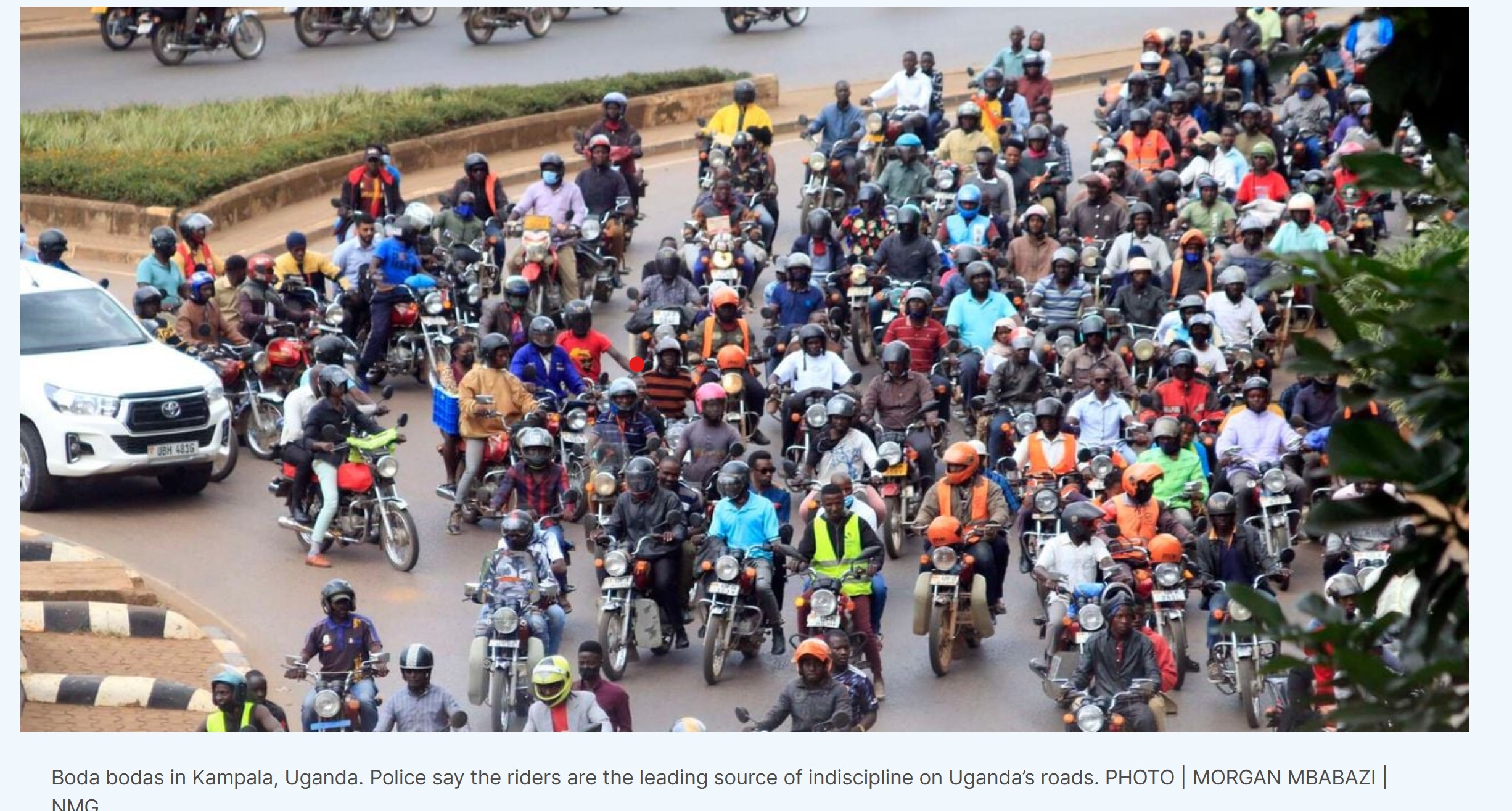
I sit with graduates who now memorize potholes the way they once memorized case law. Some rent the machine they ride, handing over a fixed weekly payment, whether sick or well, rain or shine. Others sign “rent-to-own” papers whose final price only becomes clear when it is too late to refuse. By the time the loan is done, the bike is tired and worn, and the rider is older, with little to show but a helmet and a back that aches when it rains.
None of this is laziness. It is rational behavior inside an irrational system. When formal gates jam, people take the fastest path to cash. Here, that path is painted black and smells of petrol.
What does this do to a home? It hollows it out. A family that stretched itself to breaking for tuition now stretches again to cover hospital bills after a crash, or a new tire, or a “facilitation” at a checkpoint that isn’t written anywhere but must be paid. Hope, in these conditions, becomes heavy. Parents avoid certain questions at supper. Graduates dodge classmates on market day.
On Sundays, they still sing, but the prayer requests grow longer.
I’m a guest in this country; I am also a witness. And what I witness is a mismatch between beautiful rhetoric and stubborn reality. Education is a tool. It requires a well-fitted lock: fair credit that does not punish the poor for being poor; procurement that is open to outsiders, not just insiders; timely payments to small firms so they can hire; safety regimes that reduce the chance a job costs a life; and one more thing governments rarely measure—retention. Six months in a pay slip matters more than six hours in a workshop.
I do not doubt the sincerity of every official I meet. I doubt the systems they are asked to defend. We have built a scoreboard that rewards activity over outcomes, attendance over employment, and announcements over absorption. We ask the labor market to work miracles while starving it of the basics—power, logistics, predictable rules, and honest enforcement.
The hardest visits I make are to homes where a framed diploma hangs above a bed shared by two younger siblings who no longer attend school. “We put our hopes in him,” a father told me, not in anger but in fatigue. “Now we wait.” The graduate was at the stage when I arrived, juggling a phone app, the fuel gauge, the weather, and a debt book. He gave me a lift to the church compound. He would make a fine civil servant. He knows the regulations by heart. He navigates the informal ones, too.
What should change?
- Price honesty into finance. Cap effective interest in youth asset loans, require full APR disclosure, bundle insurance and basic maintenance, and share downside risk so a bad month isn’t a life sentence.
- Pay for placement, not just training. Tie budgets to how many graduates enter paid roles and remain there for a year. Publish the numbers monthly and let the public read them.
- Open the real gates. Simplify registration; post all awards and invoices; pay small suppliers on time so they can hire first-timers. Paperwork should not be an apprenticeship in surrender.
- Protect the body that works. Subsidize reflective gear and helmets; make maintenance checks routine and non-punitive; reduce the tax on safety to zero.
- Build corridors where people live. Power, storage, and transport in rural clusters so graduates can add value near home, not just in the capital.
And what can a minister do, practically, without making the trap deeper?
- Back ownership carefully. Help riders form savings circles and co-ops to negotiate fairer terms, bulk service, and a shared repair fund. If a contract obscures the true cost, don’t bless it.
- Fund bridges, not banners. Tool the village garage; stock the clinic with first-aid essentials; buy reflective vests for those most at risk. Quiet money that prevents quiet funerals.
- Pre-arrange apprenticeships. Do not train without an employer on the other end of the syllabus. A signed letter of intent is worth a room full of certificates.
- Measure what keeps families afloat. Months employed, injuries avoided, school fees paid for younger siblings—these are holy metrics. Share them with donors and demand the same candor from officials.
I still believe in learning. I see its light in Bible study under a mango tree and in a welding class where sparks fly like fireflies. But belief without design becomes superstition. Suppose we keep telling children that degrees alone guarantee prosperity while leaving the economy unchanged. In that case, we are not encouraging them—we are setting them up to be disappointed in a language they cannot afford.
On Sundays, I pray with parents whose fingers are cracked from weeding and with graduates whose hands are calloused from throttle grips. We ask for mercy. Mercy, here, looks practical: a contract that pays, a fee slip stamped “settled,” a safe return at dusk, a year of steady wages, a younger sister back in school. These are not miracles. They are what happens when rhetoric bows to reality and policy remembers the people it serves.
Until then, the motorbike at this stage is more than transport. It is a sign in metal and rubber that says, “We have talent. We have tried. Now meet us halfway.”