Crafting culture goes beyond adding a suggestion box in the office corridor. An organization’s culture can be a deliberate choice for every business; however, many organizations weave it to become something that becomes unconscionably crafted through the lives, actions, and experiences of the people within that organization. The tough part about culture is that it is always an end state and an aggregate result. As organizations, we have to be deliberate in crafting the type of culture that we want to see within our organizations through the actions, standards, and norms which are true to our values not only as an organization but as people and as executives.
There are deliberate steps to this, and all require prudent and strategic decisions on behalf of the individual employees, leaders, executives within the organization.
First, being deliberate early on and setting the standards from when a company is small, everyone’s wearing different hats, and there is a rapid startup mentality. Early on during this stage, organizational leaders have to be able to say, “This is the culture that we want for our organization, this is the feeling that we want to build, this is the way we want the interactions to be, and these is the norms and the values of our organization.” If we don’t set all of these early, they can each become unconsciously set, and changing it, especially a radical change, becomes exceedingly difficult, if not impossible.
 Be our guestYour next big opportunity could be in a room you're not in.Meet CEOs, founders and owners at a reception in your city or online. Your first event is on us.Request my guest seat →
The same goes as we are growing our organizations. It means carefully selecting and onboarding personnel on the norms and traditions of the company. Onboarding these ideas is not making sure that they are a quick 15 minute PowerPoint within a business’s onboarding process. It is making sure that new employees see great examples, understand the leader’s messages, and that the leaders themselves are espousing these values so that they can pass them on. It’s having these standards being acted out on and the value statement moving off the poster into the break room on the break room wall into everybody’s daily interactions and actions.
The last piece is to remain focused on growth. This is something that culture yes is an end state and aggregate result, but it is continuously changing based on the lives, actions, and experiences of the people. So what happens within the organization contributes to the future culture of that organization. This means that organizations and leaders are finding ways to encourage the informal influencers in the organization to build new ideas, achieve new goals, and share information about what is in line with the overall strategic arc of the company and where they want to go and what they want to achieve in the future—making sure that the people taking action are espousing the ideas that enable that action to happen. Culture is mutable and constantly adjusting for the situations companies find themselves in.
Current circumstances provide new input, changes, challenges, and opportunities for companies to build towards better cultural pieces. New and current situations offer ideas that can be espoused to remain ahead and competitive within their markets. These ideas do not always have to be a top-down push, and most times, this is going to be something that is a grassroots effort. Because something is going to work down in the line somewhere and having the frameworks in a place where these ideas, best practices, and influence can be shared is incredibly powerful.
As organizational leaders, we have to focus on these 360 degrees of influence and find the people within the organization that can drive the organization towards greater success with these new ideas, with these new experiences. What leadership allows to happen influences this greatly. Whether it be good, bad, or left unsaid, all of these actions contribute to the culture of an organization, and often something weak that’s adding into the lifestyle and remains unspoken about is allowed to continue—diminishing the overall culture of the organization.
Executives must act decisively and make sure that the culture is being steered in the right way, and that the personnel within the organization know what’s right, wrong, and acceptable, as well as know where they can be pushing the envelope to develop these new ideas. Crafting culture should not be left as free for all. It is something that everyone can contribute to, but it has to be guided.
For organizations that want to see cultural development of any type, there are best practices: Being open to new suggestions and ideas, especially informally helps immeasurably. Do not expect people to put things into a suggestion box that’s then blindly read and never acted on. Cultural development is based on the interactions of people. And in those interactions, we have to encourage what we want to see more of, and we have to nip problems in the bud quickly before they become systemic or swept under the carpet. We have to show both what we do want and what we don’t want for our companies.
Ed Brzychcy is former U.S. Army Infantry Staff-Sergeant with service across 3 combat deployments to Iraq. After his time in the military, he received his MBA from Babson College and now coaches organizational leadership and growth through his consultancy, Blue Cord Management.
Opinions expressed by C-Suite Network contributors are their own.
 The Boardroom Needs the Ground: By Mark Madrid
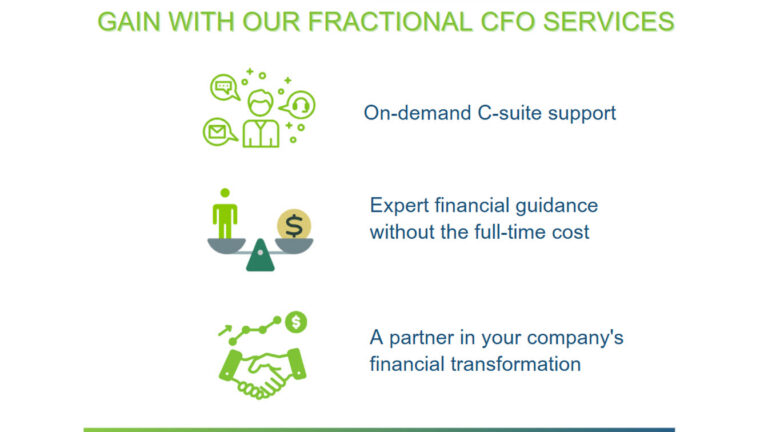 How Fractional Executives can Help Your Company Thrive: Key FactsBy Paul Whitley
 Do Not Cut 25% of Your Workforce YetBy Mahesh M. Thakur
 C-Suite TV · 22 minProject Calm: Johnny C. Taylor Jr. on Leadership, Culture, and the Future of Work
 C-Suite Radio · Manage Self, Lead Others: Emotional Intelligence and Leadership for Managers199 Look for the Second Right Answer--Nina Sunday with Dixie Carlton
Meet the founders, CEOs and operators behind stories like this one. Next reception: Fort Worth Executive Reception, Tue, Nov 17.
Attend as a guestMembership: $100/mo →