


Outsourced Chief Marketing Officer on the rise, and thinking out of the box
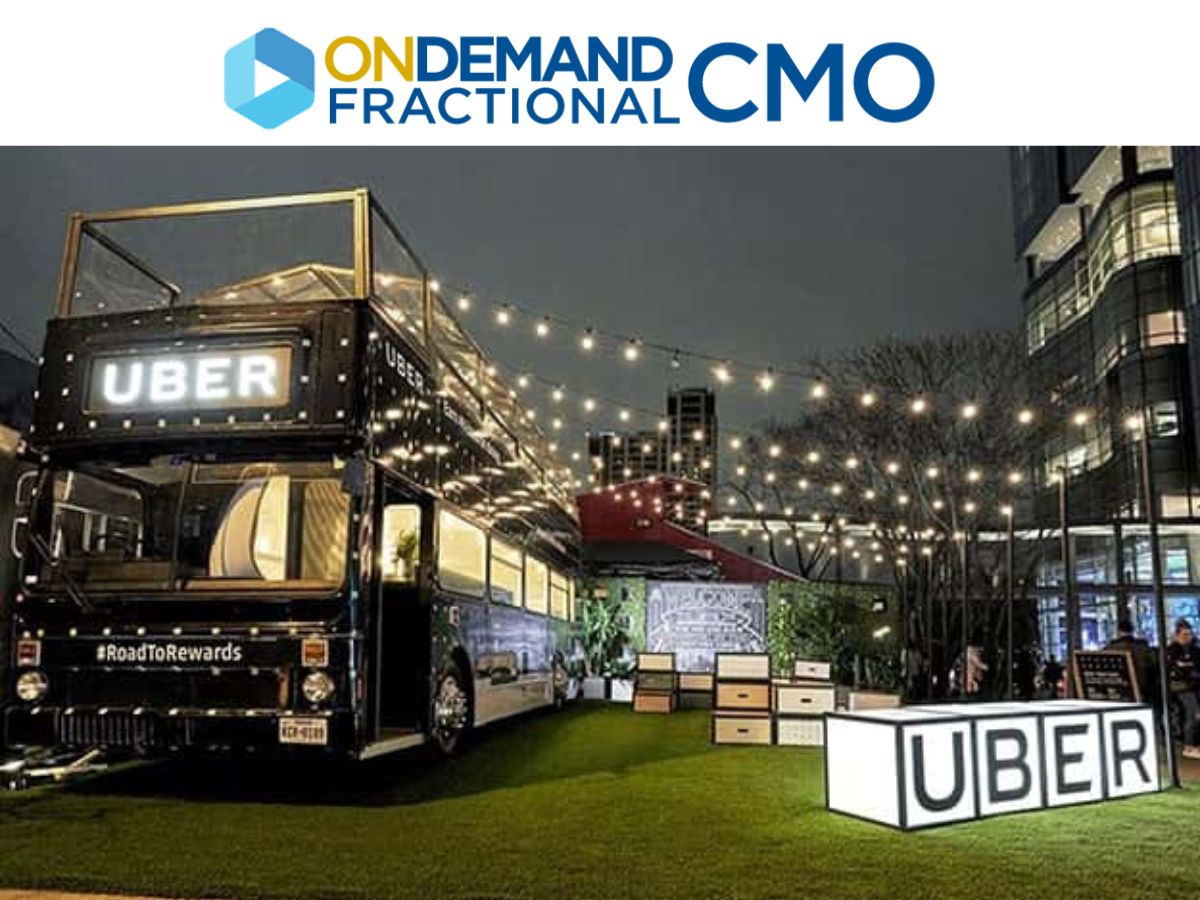
Experiential marketing, also known as engagement marketing, is increasingly recognized as a powerful strategy for brand outreach. This approach focuses on creating immersive, memorable experiences that connect consumers directly with a brand. The rationale behind experiential marketing’s effectiveness and some business case studies can provide insight into why it is considered the future of brand outreach now optimized by top Outsourced Chief Marketing Officers around the world!
Reasons Supporting Experiential Marketing as the Future
- Emotional Connection: Experiential marketing creates emotional connections by engaging consumers through interactive, hands-on experiences. This emotional resonance can lead to stronger brand loyalty.
- Memorable Impact: Experiences tend to be more memorable than traditional advertising. Memorable brand experiences can lead to word-of-mouth promotion and social media sharing.
- Engagement Over Advertisement: Modern consumers, especially younger generations, prefer engaging with brands rather than passively receiving advertising messages. Experiential marketing meets this preference.
- Integration with Digital Campaigns: These experiences can be seamlessly integrated with digital marketing campaigns, amplifying the reach through social media sharing and online engagement.
- Measurable Impact: With advancements in technology, companies can now more accurately measure the ROI of experiential marketing campaigns through data analytics.
Case Studies
1. Red Bull: Stratos Jump
- Campaign: Red Bull sponsored Felix Baumgartner’s jump from the stratosphere in 2012.
- Result: The event was live-streamed on YouTube and watched by millions worldwide, creating a massive buzz and reinforcing Red Bull’s brand image of extreme adventure and sports.
2. Coca-Cola: Share a Coke Campaign
- Campaign: Coca-Cola replaced its traditional logo with common names on bottles, encouraging consumers to find a bottle with their name or gift one to a friend.
- Result: This campaign created a personal connection with the brand and led to increased sales, social media sharing, and consumer engagement.
3. IKEA: Sleepovers in Showrooms
- Campaign: IKEA invited customers to spend a night in their showroom as part of a promotional event.
- Result: The event generated considerable media attention, enhancing customer engagement and showcasing IKEA’s products in a unique, memorable way.
4. Adobe: Adobe Summit
- Campaign: Adobe’s annual summit offers a mix of informational sessions, workshops, and networking opportunities for creative professionals.
- Result: The summit not only educates participants about Adobe products but also fosters a community around the Adobe brand.
5. L.L. Bean: Be an Outsider at Work
- Campaign: L.L. Bean created outdoor office spaces to encourage people to work outside, aligning with their brand ethos of outdoor activities.
- Result: The campaign received extensive media coverage, reinforcing the brand’s commitment to outdoor lifestyles and attracting a broader consumer base.
Conclusion
Experiential marketing’s ability to create personal and emotional connections with brands, combined with its potential for wide-reaching impact through social media and word-of-mouth, positions it as a forward-thinking strategy for brand outreach. The successful campaigns of Red Bull, Coca-Cola, IKEA, Adobe, and L.L. Bean illustrate how creating memorable brand experiences can lead to increased engagement, loyalty, and ultimately, business success. As consumers continue to value authenticity and unique experiences, experiential marketing is likely to play an increasingly important role in brand strategies.
Outsourced Chief Marketing Officer (CMO)
An Outsourced Chief Marketing Officer (CMO) is a professional service arrangement where a company hires an external expert to serve as its Chief Marketing Officer on a part-time, temporary, or project basis. This approach can provide businesses with senior-level marketing expertise without the commitment or cost of hiring a full-time executive. Here’s an overview of the role, benefits, and considerations:
Role and Responsibilities
- Strategic Planning: Developing and overseeing the implementation of a comprehensive marketing strategy aligned with the company’s business goals.
- Brand Management: Establishing and maintaining the company’s brand identity and reputation.
- Digital Marketing: Overseeing digital marketing efforts, including social media, SEO, content marketing, and online advertising.
- Market Research: Conducting or supervising market research to inform marketing strategies and understand customer preferences and trends.
- Product Development and Positioning: Assisting in product development and positioning, ensuring they meet market demands and align with the company’s brand.
- Budget Management: Managing the marketing budget and ensuring ROI on marketing investments.
- Team Leadership and Coordination: Leading and coordinating internal marketing teams and external agencies.
Benefits of Hiring an Outsourced CMO
- Cost-Effective: More affordable than hiring a full-time executive, especially beneficial for small and medium-sized businesses.
- Flexibility: The ability to engage the CMO on a part-time, temporary, or project basis according to the company’s needs.
- Expertise: Access to experienced professionals with a broad skill set and industry knowledge.
- Fresh Perspective: An external CMO can offer new ideas and perspectives that can be invaluable for innovation and problem-solving.
- Scalability: The flexibility to scale up or down the marketing efforts as per the business requirements.
- Rapid Implementation: An experienced CMO can quickly assess the company’s needs and implement strategies, reducing the learning curve.
Considerations When Hiring an Outsourced CMO
- Alignment with Business Goals: Ensure the outsourced CMO understands and aligns with your company’s vision, culture, and objectives.
- Experience and Track Record: Evaluate their past experiences, success stories, and the industries they have worked in.
- Communication and Collaboration: Effective communication and the ability to collaborate with existing team members are crucial.
- Contract and Expectations: Clearly define the terms of engagement, expectations, and deliverables in the contract.
- Integration with the Team: Consider how the outsourced CMO will integrate with your existing team and processes.
- Long-term Strategy: Ensure that the strategies implemented by the outsourced CMO are sustainable and align with long-term business goals.
Conclusion
An outsourced CMO can be a strategic addition for businesses looking to enhance their marketing efforts without the overhead of a full-time executive. This arrangement allows companies to leverage expert knowledge and skills on a more flexible and cost-effective basis. However, it’s important to carefully select a professional whose experience and approach align with the company’s specific needs and culture.

