A C‑Suite Culture & Leadership Framework
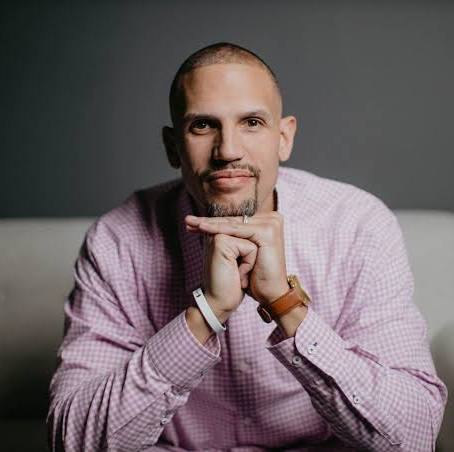
By Tamien Dysart
Most organizations don’t have a “culture problem.
They have a culture-by-default problem.
I’ve learned that culture will emerge whether it’s intentionally designed or not. And when it’s accidental, it becomes an invisible tax on the business—showing up as turnover, disengagement, misalignment, burnout, and leaders spending their best energy “putting out fires.”
My life’s work is built around one conviction: we can better the world by improving the way people live—through improving the way people work. As CEO and Co‑Founder of Think 3D Solutions, I partner with executives and leadership teams to build workplace cultures where people don’t just perform—they thrive.
This is the framework behind my work—written for leaders who want results that match their effort.
The Reality I See Executives Facing
In boardrooms and leadership meetings across industries, I hear a consistent story:
Leaders are working incredibly hard to invest in their people.
👉 They’re launching initiatives.
👉 They’re running trainings.
👉 They’re implementing values.
👉 They’re increasing benefits and adding perks.
But the results often don’t match the effort.
That gap—the space between investment and impact—is where culture strategy matters most. And it’s where I focus.
After more than 16 years leading teams inside Fortune 500 financial institutions, one pattern became impossible for me to ignore: organizations obsess over the operating system of the business (strategy, revenue, operations, growth), but leave the human operating system to chance.
When culture is unmanaged, I see the symptoms quickly:
- Disengaged employees and quiet quitting
- High turnover and rising replacement costs
- Leadership misalignment and mixed messages
- Communication breakdowns and rework
- Burnout at every level—especially in the “manager layer”
- Teams that look strong on paper but feel fractured in reality
Culture is rarely the only issue. But I believe it is often the multiplier—for better or worse.
Why We Built Think 3D Solutions
When my co-founder and I started Think 3D, we asked ourselves three serious questions:
- Is there a real need?
- Are we equipped to help?
- Will this create meaningful impact?
The answer was “yes” across the board.
We built Think 3D to help organizations create intentional, thriving cultures that drive both performance and fulfillment—because I know that sustainable performance doesn’t come from pressure. It comes from alignment.
My work is anchored in three dimensions of a healthy culture:
- Personal: the human behind the role
- Professional: the leader, teammate, and contributor in action
- Potential: the future—growth, development, and what’s possible next
This is not motivational language. It’s a practical model I use for building organizations that retain talent, develop leaders, and create consistency between what leadership says and what employees experience.
Culture Isn’t Soft. It’s Strategic.
One of the most costly misconceptions I still see leaders carry is the belief that culture is “the soft stuff.”
Let me be clear: Culture is not soft.
Culture is:
- A performance driver
- A retention strategy
- A leadership multiplier
- A profitability lever
- A reputation engine in the talent market
Culture is how decisions get made when you aren’t in the room.
Culture is what people repeat to one another after your meeting ends.
Culture is the system that produces your results—whether you intended it or not. After all, it is an aggregate of all of the individuals that make up your organization.
Organizations that treat culture as strategy consistently see stronger engagement, healthier accountability, better collaboration, and more resilient teams. Why? Because people don’t give their best to environments where they don’t feel seen, developed, and connected.
The “Symphony” View: Harmony ≠ Balance
A core concept within my approach is the idea that harmony is not the same as balance.
Balance implies equal time and energy. Harmony is about alignment and flow—everything working together, even if the investment is uneven across seasons.
I often explain organizational culture through a “symphony” lens:
- The organization is the orchestra
- Your people are the instruments
- Leadership is the conductor
- Vision and values are the sheet music
- Behaviors are the sound the organization produces
When one section is out of tune, the entire experience changes.
This metaphor isn’t branding for me—it’s diagnostic. It helps me show leaders that culture work is less about slogans and more about alignment: expectations, clarity, communication, and the daily behaviors leaders model.
My Leadership Philosophy: Intention Over Intensity
If you spend any time around me, you’ll hear me advocate for one thing: intention matters more than intensity.
Many leaders I meet are highly driven. They work hard. They care deeply. They show up.
But I’ve seen that intensity without intention creates:
- reactive leadership
- unclear priorities
- inconsistent accountability
- short-term fixes
- long-term fatigue
In my work, leadership begins with self-leadership:
- Gratitude and perspective
- Mindset discipline
- Continuous learning
- Personal accountability
Because I believe leaders can’t scale what they haven’t developed—and they can’t build a culture they don’t model.
This is also why my broader ecosystem emphasizes a “high-performance” truth many organizations overlook: people can’t stay on offense if they’re depleted.
I believe the world needs more leaders willing to go on offense—because darkness can only occupy the space that light surrenders.
Beyond Business: Developing Leaders Who Lift Communities
While my work often starts inside organizations, my vision has always been bigger than business results alone.
My efforts extend into leadership pipeline development across diverse communities—working with educators, emerging professionals, youth, and justice-impacted individuals. My belief is simple: strong communities require strong leaders at every level.
Leadership is not a title. It’s a responsibility.
And culture is not just what happens inside the workplace. It shapes families, communities, and the confidence people carry into every other part of life.
Who I Partner With
My work resonates most with executives who are not satisfied with “average”:
- average engagement
- average leadership
- average retention
- average culture
I am a strong fit for leaders who are:
✅ Scaling and feeling culture strain
✅ Experiencing disengagement or turnover
✅ Developing the next generation of leaders
✅ Merging teams, departments, or organizations and needing alignment
✅ Committed to leading with clarity, consistency, and intention
For these leaders, culture is not an HR initiative. It’s a business strategy—and it deserves the same rigor as finance, operations, and growth.
The Question That Matters
I often leave executives with one question:
Are you building the kind of organization your best people actually want to grow inside of?
If your answer isn’t a confident “yes,” that’s not a failure—it’s a starting point. It’s an invitation to move from culture by default to culture by design.
My commitment is to help you step into your higher potential and build a culture that doesn’t just perform—but truly thrives.
Because when we improve the way people work, we improve the way people live.
And that impact goes far beyond the workplace.
Let’s build intentionally.
— Tamien Dysart
CEO & Co-Founder, Think 3D Solutions & Elevate You