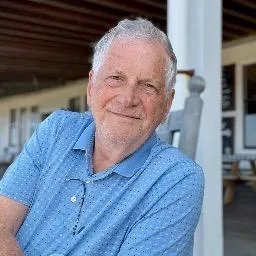
By Hugh Ballou
In today’s fast-moving world, leadership is no longer about having the right answers—it’s about being committed to asking the right questions and growing every single day. That’s what I’ve come to understand in my own leadership journey. The leaders who make a lasting impact are those who embrace the mindset of lifelong learning. They know that staying curious, reflective, and teachable is what sustains influence and drives transformation.
When I stepped off the conductor’s podium and into boardrooms, nonprofits, and leadership circles, I brought with me a principle I’d practiced for years: the learning never stops. A conductor doesn’t quit refining their craft after memorizing the score. Likewise, a leader must continue studying themselves, their people, and the ever-changing world around them. Every conversation, every obstacle, every victory becomes a learning opportunity. That’s what keeps our leadership fresh, agile, and authentic.
At the core of lifelong learning is humility. I remind myself often—I don’t know everything. And that’s a good thing. This humility keeps me open to feedback, aware of my blind spots, and ready to grow. I’ve learned that meaningful growth doesn’t require dramatic overhauls. It comes from small, consistent choices—reading a few pages of a book, journaling about a challenge, or engaging with a new perspective. These micro-moments shape who I am as a leader.
The structure that supports this growth is habit. I often say, “Habits are the architecture of leadership growth.” Just like musicians follow a daily rhythm of practice, leaders must design rhythms that reinforce learning. I set aside time each morning to read, reflect, or journal. Weekly, I review what worked and what didn’t. Monthly, I engage in something new—maybe a course, a coaching session, or time spent learning from another leader. These rhythms don’t just sharpen my skills—they keep me grounded, aligned, and clear.
Neglecting this growth has consequences. When leaders stop learning, they start coasting—and eventually, they stagnate. What worked yesterday won’t always work tomorrow. I’ve seen organizations stall not because they lacked resources, but because their leaders stopped evolving. When I model growth, it gives my team permission to grow too. That’s how we build cultures where people aren’t afraid to ask, learn, and stretch. Excellence becomes our standard, not just our aspiration.
This kind of growth is intentional. I help leaders create what I call a “leadership growth rhythm.” It’s a simple framework: daily reading or reflection, weekly wins and lessons review, and monthly learning goals. You don’t need more hours in the day—just more clarity about how to use them. Over time, these habits compound and create leaders who are not just informed but transformed.
For me, committing to lifelong learning is about more than professional improvement—it’s about being fully alive to the calling of leadership. A learning leader becomes a transforming leader. And when we change, everything around us begins to change too. It’s not about perfection. It’s about movement, momentum, and staying in the posture of a learner.
In conclusion, I believe that leaders must commit to learning daily. This path requires humility, discipline, and courage—but it’s also filled with reward. In a world that’s shifting rapidly, our greatest asset is our ability to grow. And when we grow, we equip others to do the same. Let’s lead with that kind of intention. Let’s become the leaders our organizations—and our world—need us to be.