


By Jeffrey Hayzlett
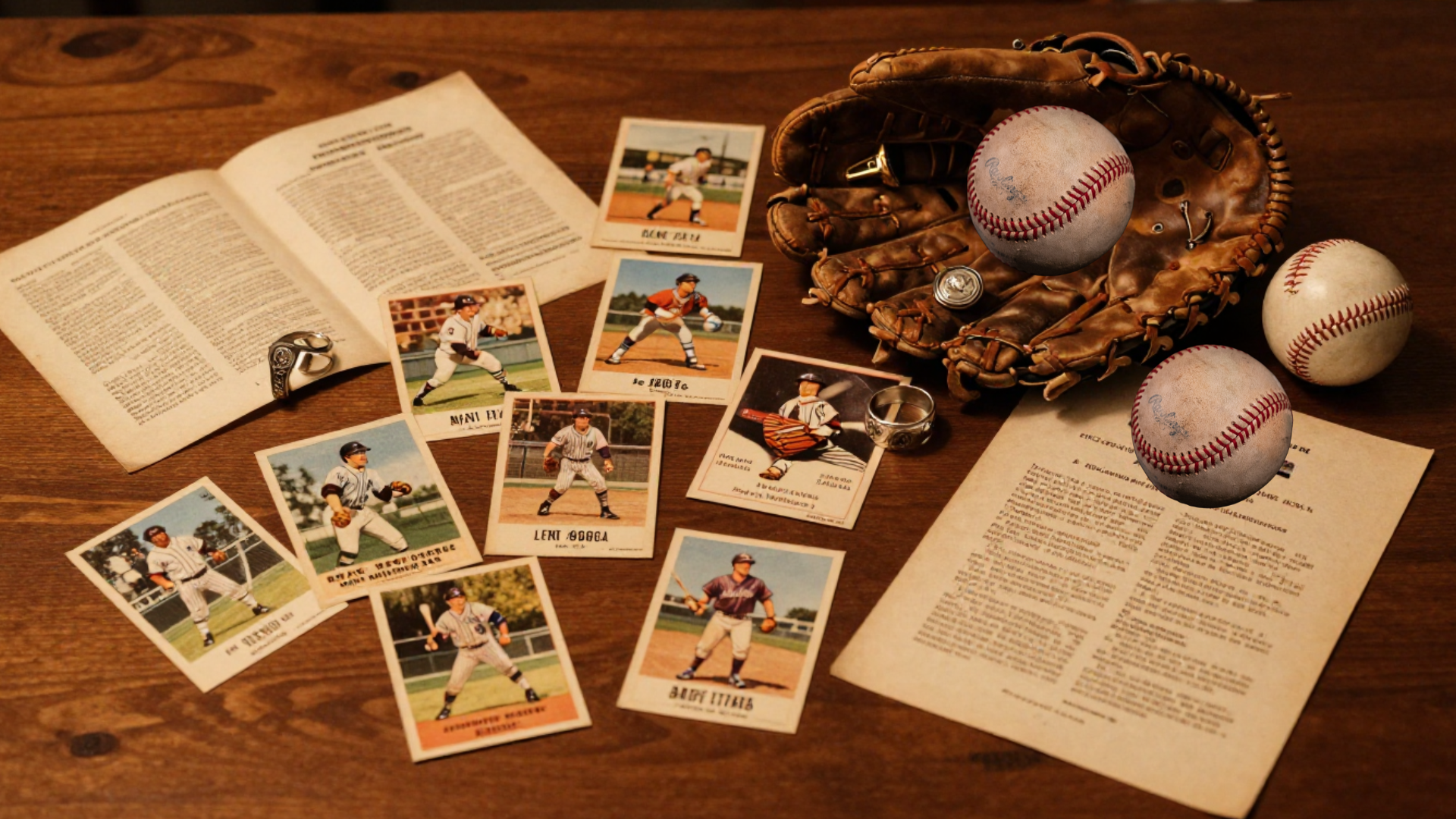
There are entrepreneurs, and then there are entrepreneurs who can take dirt, old stadium seats, and a painted wall and turn them into a multi-million-dollar business. That’s exactly what Brandon Steiner has done for decades.
On All Business with Jeffrey Hayzlett, Brandon and I sat down for one of those conversations that reminds you why business is never just about products. It’s about people. It’s about trust. It’s about storytelling. And sometimes, it’s about having the guts to bet on something nobody else understands yet.
Brandon went from a kid in Brooklyn with $4,000 and a dream to building one of the most recognizable names in sports memorabilia. He didn’t just create a business; he created an entirely new category around authenticity and emotional connection. And frankly, that’s what great entrepreneurs do.
The Business Opportunity Nobody Else Saw
One of my favorite lessons from Brandon is simple: pay attention to the early signals.
When he first started selling sports collectibles, he wasn’t trying to build a memorabilia empire. He noticed companies loved giving signed sports items to clients and employees. That was the opening. Most people would’ve dismissed it as a side hustle. Brandon saw the bigger opportunity.
More importantly, he recognized that the industry had a trust problem. Counterfeit memorabilia was everywhere. Nobody knew what was real. So, he built the business around authentication.
That’s the lesson too many entrepreneurs miss. Sometimes the opportunity isn’t inventing something completely new. Sometimes it’s doing something better, cleaner, and more trustworthy than everybody else.
The Steiner seal became a brand people trusted. In today’s world, where skepticism is everywhere, trust is still one of the most valuable currencies in business.
Turning Dirt into Millions
You want proof that storytelling matters? Brandon sold millions of dollars of dirt from the old Yankee Stadium. Actual dirt.
He put it into pens, coasters, keepsakes, and collectibles because he understood something most businesses don’t: people don’t buy products. They buy emotional connections. That dirt represented memories. History. Nostalgia. Identity.
The same thing happened when he bought the contents of Yankee Stadium. Seats. Lockers. Signs. Pieces of the wall. Even now, he’s doing the same thing with the old Buffalo Bills stadium, and Bills fans are buying seats before they’ve even been removed. Why? Because fandom is emotional capital.
The best brands in the world understand how to turn emotional attachment into business value.
Consistency Builds Credibility
Brandon shared a line during our conversation that every entrepreneur should write down: “Consistency over time equals credibility.”
That applies to every business, every personal brand, and every leader. You don’t build trust with one viral moment. You build it by showing up over and over again and delivering. That’s something Brandon learned from elite athletes like Derek Jeter, Joe Montana, and Kobe Bryant. The great ones never stop refining their craft. They never stop preparing. They never stop competing. The same applies in business. Too many leaders want shortcuts.
Brandon’s story is a reminder that mastery comes from consistency, discipline, and curiosity over decades.
The Best Entrepreneurs Never Stop Reinventing
One thing I admire about Brandon is he’s still evolving. He’s not sitting around talking about what he used to do. He’s building new businesses with Savannah Bananas collectibles, working with LIV Golf, exploring emerging markets like rugby and cricket, and creating new ways for collectors to authenticate and sell memorabilia through CollectibleXchange. That matters because too many entrepreneurs get trapped protecting the version of themselves that already succeeded. The smartest business leaders stay curious.
Brandon asked a question during our conversation that hit me hard:
“When was the last time you did something for the first time?” That’s the mindset that keeps businesses alive.
Leadership Isn’t About Micromanaging
Another point Brandon made that every CEO needs to hear: micromanaging might help your ego, but it destroys your team’s confidence. That’s dead-on.
As leaders, our job isn’t to control every move. It’s to create an environment where talented people can execute. Brandon talked about learning to delegate more, trust younger employees, and allowing people to do things differently than he would. That’s leadership maturity.
If your business can’t move without you touching everything, you don’t own a company. The company owns you.
The Bigger Legacy
At the end of our conversation, I asked Brandon what he hopes people say about him years from now.
His answer wasn’t about money or deals.
He said he hopes people remember him as generous, authentic, and somebody who genuinely cared about customers and relationships.
That’s the real takeaway here.
Yes, Brandon built an empire around sports collectibles. But underneath it all, he built something much more valuable: trust, connection, and meaning. That’s why the Steiner name still matters after 40 years.
What I Learned
At the end of every show, I talk about what I learned, and this conversation was packed with lessons.
Find your gift. Build your reputation early. Stay curious. Don’t fear reinvention. Focus on authenticity. And when you see an opportunity others overlook, have the guts to go after it.
Or as Brandon’s mother told him years ago:
“You gotta have balls.” She wasn’t wrong.
Watch my full conversation with Brandon Steiner on All Business with Jeffrey Hayzlett on Spotify or C-Suite TV.

