Erika Kirk: Calling, Carried Forward
A beginning shaped by calling
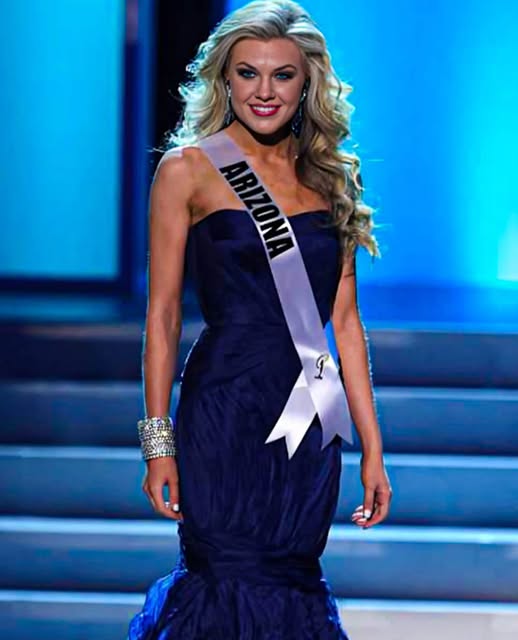
Long before her last name changed, Erika Frantzve had already treated work as witness. A former Miss Arizona USA (2012) and college athlete, she built platforms that blended entrepreneurship, service, and Scripture—habits that would later define her public life as Erika Kirk. Those early pillars matter because they explain why her career would consistently point beyond achievement to assignment.
Bill’s Burgers and the vocational “yes”
Their story turns on a small table
in New York City. In 2018, while Erika was in the city and Charlie was passing through, a dinner at Bill’s Burgers became a conversation about theology, philosophy, and purpose—what began as a job interview turned into a first date.
After Charlie’s death, Erika shared a video of him retelling that evening to their daughter; it captured the cadence of their partnership: ideas first, then commitment, both tethered to faith. That night didn’t simply begin a romance; it aligned two callings headed in the same direction.
Building parallel lanes: ministry, media, and enterprise
From that meeting forward, Erika’s professional lane stayed distinct even as it ran beside Charlie’s. She launched and hosted Midweek Rise Up, a weekly devotional podcast that pairs Scripture with practical encouragement (“God’s got this”), and she grew PROCLAIM × BIBLEin365—an apparel-and discipleship ecosystem whose proceeds underwrite a global, yearlong Bible reading journey. In both cases, the model is the message: content that sends people back to the Word, and commerce that funds ministry. It’s a modern Proverbs 31 pattern—work that’s fruitful because it’s faith-first.
Profession as stewardship, not spotlight
Because her projects are explicitly devotional, Erika’s public approach to “career” reads more like stewardship than self-branding. The podcast invites weekly habits; the reading plan cultivates daily ones. Even her earlier nonprofit initiatives were framed as platforms to lift other people’s work. The through-line is discipleship at scale—using media, merchandise, and rhythms to form people, not just attract them. Marriage, boundaries, and vocational clarity. Erika and Charlie married in May 2021 and welcomed two children in the years that followed—guarding their privacy even as public profiles grew. Those boundaries signal how she parses vocation: build loud, live carefully. It’s a discipline recognizable to anyone who serves both a family and a mission.
September 10, 2025: faith under fire
The assassination of Charlie Kirk during a campus event at Utah Valley University ripped through their family and the movement they helped build. In the national shock that followed, the most distinctly Christian moment belonged to Erika: at a packed memorial service in Glendale, she publicly forgave the accused shooter. She didn’t minimize evil; she magnified grace—and modeled what it means to practice the hardest parts of the gospel in public. “Forward” as an act of faith. Eight days after the shooting, Turning Point USA’s board appointed Erika as CEO and chair. Some framed it as continuity; others saw a widow forced into leadership too soon. Erika treated it as obedience to a calling she already inhabited—one expressed through years of ministry, media, and mentoring. The symbolism mattered: a woman of faith stepping into institutional authority while keeping her devotional work central.
Present: integrating two spheres
Today, Erika stands at the hinge of two demanding worlds: a youth-mobilization organization with national visibility and a discipleship ministry with global reach. Her vocational task is integration—ensuring that strategy aligns with Scripture, that messaging adheres to truth, and that platform metrics never outpace pastoral care. Practically, that means letting the strengths of each sphere temper the other: the discipline of a reading plan shaping the cadence of organizational life; the urgency of civic engagement reminding ministry to equip people for public courage.
Near future: leadership by spiritual practices.
What, then, does tomorrow look like? Expect her to lead with spiritual practices that scale: rhythms that make courage sustainable.
Three stand out:
1. Scripture before strategy.
BIBLEin365 likely remain a lodestar—an insistence that formation precedes mobilization. It’s not anti-strategy; it’s strategy baptized in wisdom.
2. Habit over hype.
Midweek Rise Up is an operating system: small, steady inputs that change outcomes over time. Translated to organizational leadership, that looks like crisp cadences, clean priorities, and less whiplash.
3. Mercy without retreat.
Her public forgiveness wasn’t sentiment; it was doctrine lived out loud. As CEO, that posture can defuse cynicism internally while clarifying conviction externally—firm on principle, free of venom.
What readers can take from Erika’s example
Hold the tension. She shows how to carry grief and purpose at once— mourning honestly while moving faithfully. That’s not a contradiction; it’s Christian maturity. Make work serve witness. Whether through a podcast episode or a product line that funds discipleship, her choices keep commerce subordinate to calling. Lead with practices, not just positions. Titles change; habits endure. Erika’s emphasis on Scripture and weekly encouragements will outlast news cycles because they feed people, not feeds.
A closing word on “destiny”
“Destined” can be a fragile word, easily mistaken for inevitability. Erika’s story offers a sturdier reading: destiny as daily obedience. She didn’t predict tragedy; she prepared for faithfulness—stacking small practices (prayer, Scripture, encouragement, generosity) so that when the ground shook, the work could stand.
That is the Christian approach to professional life in an unpredictable world: do the next faithful thing, again and again, and let God turn consistency into influence.