Nearly half the Shark Tank deals you’ve watched people celebrate on TV never actually closed, and the show’s biggest success story is a company the Sharks turned down.
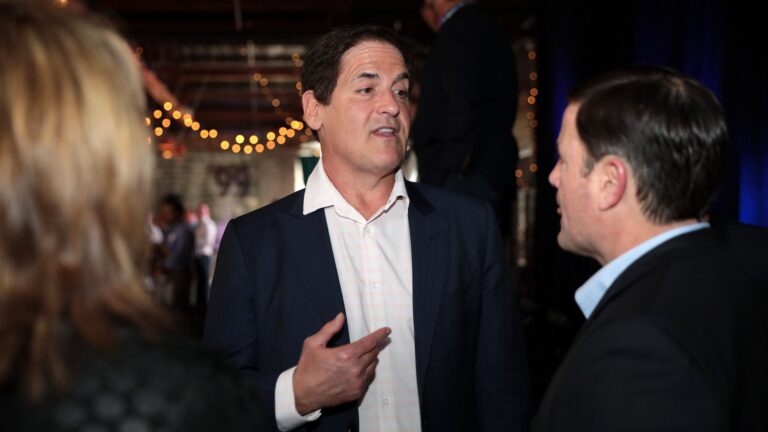
Shark Tank started its 18th season on ABC on Sept. 30, now without Mark Cuban and with guest Sharks like MrBeast. Seventeen years in, there’s a lot more known about how the show really works, who makes money and whether going on it is worth it for a business.
The Show Used to Take a Cut of Everyone
Here is a detail most fans never heard. In the early seasons, the standard contract gave the show’s producers and ABC “5 percent of the company or 2 percent of future royalties, regardless of whether a deal materializes with a shark,” The New York Times reported in 2013. Deal or no deal, the house got paid.
Cuban pushed back hard. He threatened to quit over the clause in the fall of 2013, D Magazine reported, and it was dropped before Season 5. “There is no additional equity or percentage of anything taken any longer,” he later wrote on Facebook.
Half the Handshakes Never Happen
When Forbes surveyed 112 businesses offered deals in Seasons 8 through 13, nearly half said the deal never happened at all, and another 15% closed on different terms than viewers saw. An earlier Forbes look at 237 deals found just 27% closed exactly as they aired.
Even the Sharks’ own scorecards shrink off camera. Cuban’s on-screen deals have been estimated at more than $61 million, but he told Forbes the real number is closer to $29 million, CNBC reported. And about a quarter of his deals, he said, leave him thinking, “What the hell was I thinking?”
The Real Prize Is the Airtime
The show’s most famous rejection proves the point. Jamie Siminoff pitched DoorBot in 2013, walked out with nothing and sold the company, later renamed Ring, to Amazon for about $1 billion in 2018. He told Babson College the sales that came in after his episode aired were what “let us live.”

He isn’t alone. Inc. gathered revenue data on Shark Tank companies, with or without a deal, and of the 149 that shared full numbers, 101 grew the year after their episode aired. Twenty-two said revenue doubled and 44 said it tripled.
When the Spotlight Is Too Much
The crash. The Red Dress Boutique’s website went down within a minute of its episode airing and stayed mostly offline until the next afternoon. “We definitely lost sales,” founder Diana Harbour told the Atlanta Journal-Constitution.
The fade. Aaron Marino of Alpha M told the same paper he could tie only one sale to the show. “The traffic was good for about five minutes and then it went away and never came back.”
The flood. Beehive maker Bee Thinking got no deal, then grew from about $1 million in revenue to $5.8 million in two years. It shut down in 2017 because it couldn’t build hives fast enough to keep up. “We sold over $12 million in products and went on Shark Tank, and still failed,” founder Matt Reed told Inc.
And the show itself is feeling the squeeze. Its first season without Cuban averaged 1.54 million viewers, down 45% from the year before, TV Series Finale reported. ABC renewed it anyway.
Before Your Next Meeting
You may never stand in front of the Sharks. But a big podcast, a viral post or a local TV segment can hit your business the same way. What would you do?
- Your business gets a huge burst of attention tomorrow. Would your website and your team survive it? One boutique’s site crashed within a minute, and Bee Thinking closed because it couldn’t keep up. Figure out how many orders or calls you could actually handle in a week, and what breaks first.
- An investor shakes your hand, then the terms change. Do you take it or walk? Nearly half the deals Forbes tracked never closed, and 15% changed. Write down your walk-away terms before you pitch anyone, and treat nothing as done until it’s signed.
- The attention comes and goes in five minutes. How do you keep any of it? One founder said his traffic “went away and never came back.” Decide what you would ask every new visitor to do, whether that’s joining your email list, booking a call or following you, so a spike leaves you with customers you can reach again.










Meet the founders, CEOs and operators behind stories like this one. Next reception: Fort Worth Executive Reception, Tue, Nov 17.
Attend as a guestMembership: $100/mo →