Quick take
- Apple’s first foldable iPhone, starting at $1,999, hit stores on October 23. By that weekend, owners were posting photos of cracked inner screens. Apple responded three days later and offered replacements.
- Apple got the hard part right: it moved fast and fixed the problem. It fumbled the easy part, the words. It led with praise, said “a small number” without a number, and nobody put their name on it.
- Why it matters now: Every business ships something that breaks eventually. The order of your first three sentences decides whether customers remember the problem or how you handled it.
On October 23, Apple’s first phone that folds, the iPhone Duo, hit stores at $1,999 and up. Online orders sold out within minutes. People lined up.
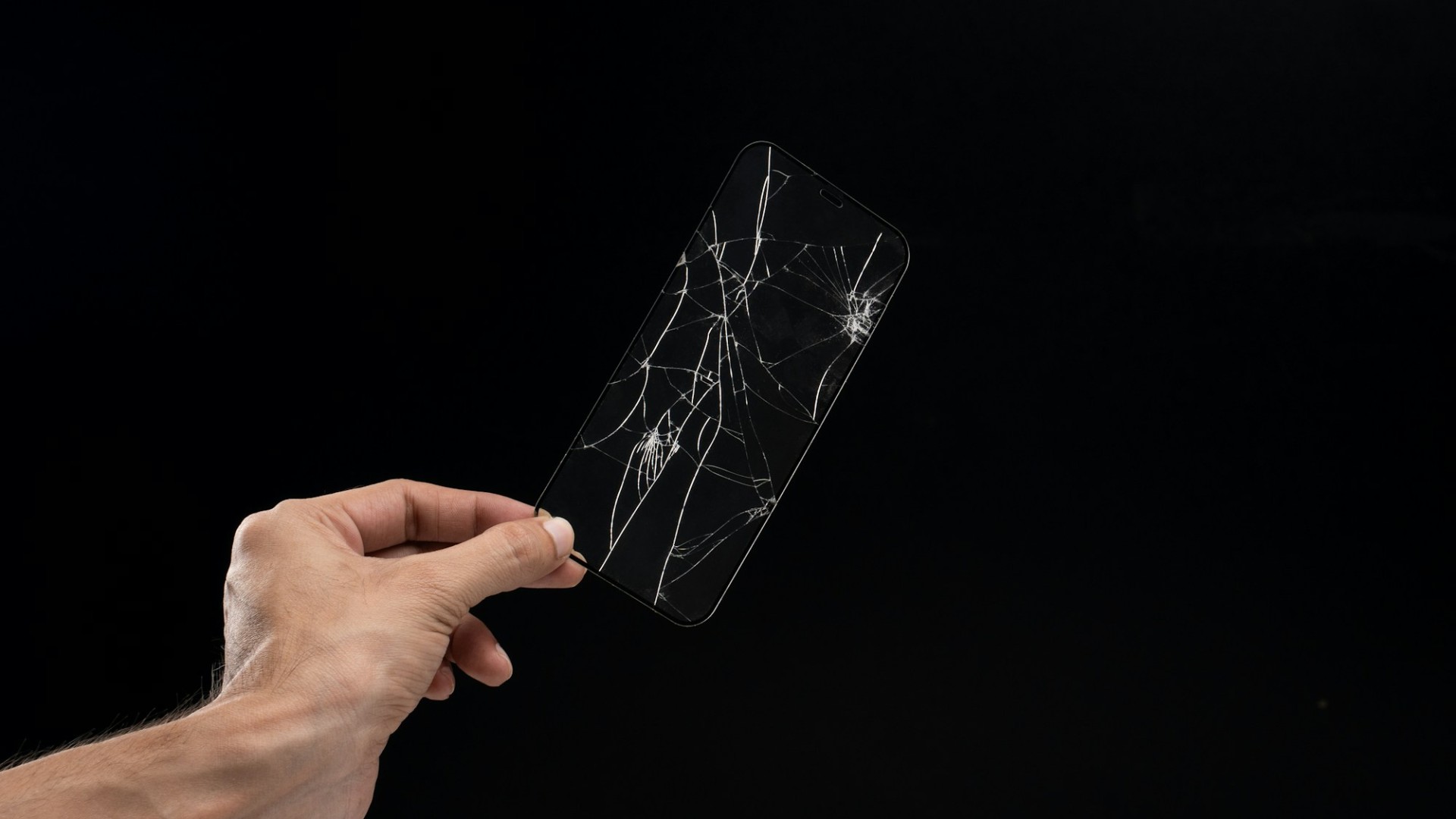
Then came the weekend. Owners started posting photos on Reddit of the inner screen cracked right down the middle, along the fold, some with bright lines of dead pixels running across it. Some said it happened within hours of setting the phone up. The internet named it “crackgate” before Monday.
Here’s what owners posted. These are reports 9to5Mac pointed to as the problem spread. One owner said the screen cracked in less than 24 hours. Another said within six hours. A couple said it happened before they’d even finished setting the phone up. Owners started a “crackgate” megathread to keep count. (A word of caution: a handful of fake, AI-generated crack photos circulated too, which is one more reason a company should get its own facts out fast.)
Here’s the number that tells you what’s at stake. If your Duo’s inner screen breaks after the warranty runs out, repair firm iFixit estimates the fix at $999. That’s more than the $749 an entire iPhone 6 Plus cost when it launched in 2014. The screen alone now costs more than the phone used to.
When you charge that kind of money, the product is the promise. And I’ve said it for years: a promise is a promise.
What Apple got right
I’m not here to pile on. Apple did the hard part, and it did it fast.
On Monday night, October 26, three days after launch, Apple acknowledged the problem publicly. It told owners with cracked screens to contact AppleCare for a replacement, and you don’t need to have paid for AppleCare+ to get one. Some customers walked into Apple Stores and walked out with a new phone the same day. By the end of the week, Apple had sent a memo to its stores and repair partners telling technicians to repair or replace cracked units.
That’s the part most companies get wrong. They wait. They lawyer up. They hope it goes away. Apple made it right before most people even heard about it. Taking responsibility and getting it done is the whole game, and Apple did that.
Compare it to the last time a $2,000 folding phone broke in public. In 2019, reviewers’ early Samsung Galaxy Fold units started failing, and Samsung pulled the launch before the phone ever went on sale. Different situation, different call. Both companies moved. Neither one pretended the problem wasn’t there.
Where Apple fumbled: the words
Here’s Apple’s statement, in order. First, it said the early response to the Duo had been “incredibly positive” and that developers were busy updating their apps. Second, it said it was “aware of an issue impacting the inner display on a small number of iPhone Duo units.” Third, it said affected owners “should contact AppleCare for a replacement.”
Read that from the point of view of a customer holding a $2,000 phone with a crack down the middle. The first thing Apple tells you is how much everybody else loves it. You have to get through the bragging to find out how to get your phone fixed.
Apple has done this before. In 2014, when iPhone 6 Plus owners were posting photos of bent phones, Apple said it was “extremely rare” and that only nine customers had complained. Twelve years later, same script: praise first, then the problem, then the fix.


Three things I’d change.
- Lead with the fix. The person reading your statement has a problem. Solve it in the first sentence. The victory lap can wait for the earnings call.
- Say the number. “A small number” is a phrase, not a number. When you don’t say how many, the internet will pick a number for you, and it won’t be small. In 2014, Apple at least said nine.
- Put a name on it. This came from a spokesperson. Apple still hasn’t explained what’s causing the cracks. iFixit’s teardown offered a theory about a support bar near the hinge before Apple said anything about the cause. When a repair shop is explaining your product better than you are, somebody with a title should step up.
I’ve been on the other side of this
Years ago, my team ran a campaign that tested great. People in movie theaters would text a number on the screen to get a coupon. In testing, the response was in the double digits. We launched it nationally. We got two texts. Two. Turns out people turn their phones off in movie theaters.
We didn’t bury it. We repurposed what we’d built, and the product line grew that year anyway. And here’s the rule I took from it: no one died. You’re going to make mistakes, but by and large, in business, no one is going to die. What people remember is whether you stood up and dealt with it.
That’s the lesson in Apple’s week. The cracked screen is a product problem. How you talk about it is a leadership problem. Apple solved the first one fast. The second one is free to fix, and it’s the one customers remember.
Before Your Next Meeting
- Write your “something broke” statement now, before you need it. Three sentences: what you’re doing to fix it, how many customers it affects, and who’s accountable. In that order.
- Cut the praise from any apology. If the first sentence is about how great things are, delete it.
- Decide who speaks. For a small problem, a manager. For a problem with your flagship product, the person whose name is on the door.
- Make it right before they ask. The customer who gets a fix they didn’t have to fight for becomes your best salesperson.
Sources: Fox News; The National; 9to5Mac (Oct. 25); 9to5Mac (Oct. 26); r/iPhoneDuo owner posts; DesignRush; DigitBin on Apple’s repair memo and iFixit’s teardown; MacRumors on Apple’s 2014 statement; NPR on the 2019 Galaxy Fold delay.









Meet the founders, CEOs and operators behind stories like this one. Next reception: Fort Worth Executive Reception, Tue, Nov 17.
Attend as a guestMembership: $100/mo →