“Degrees on Two Wheels”: The Silent Crisis
of Uganda’s Unemployed Youth
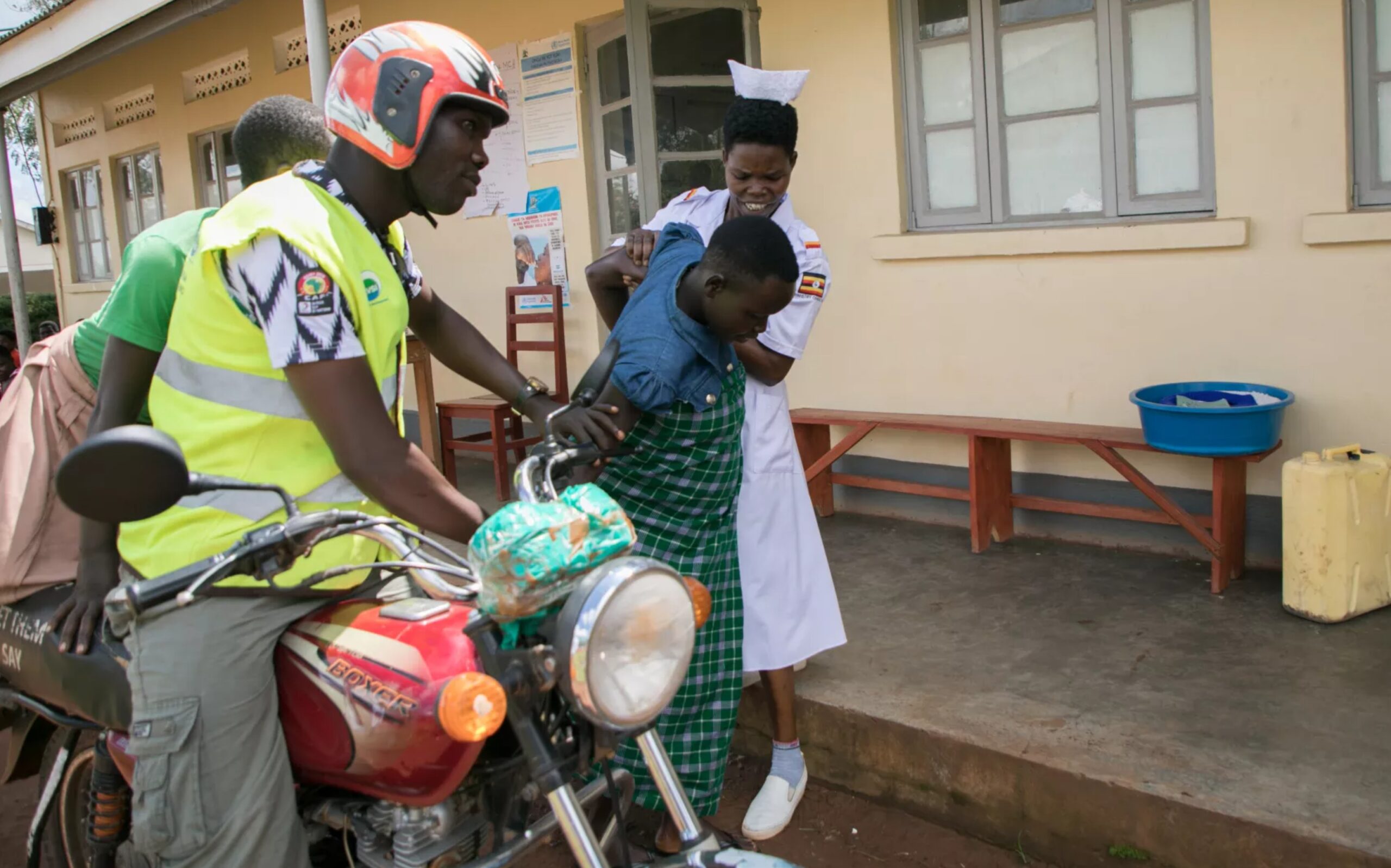
In the busy streets of Kampala, Mbarara, Gulu, and many other cities in Uganda and elsewhere, motorcycles zigzag through traffic like bees in panic. But behind the helmets and dust-covered jackets are young men and women who once believed in a dream—a dream that education could lift them out of poverty. Now, their degrees lie folded somewhere in drawers as they ferry passengers for survival.
They once walked the halls of Mbarara University of Science and Technology, Makerere, and other institutions with pride. They wrote exams under candlelight. Their parents sold goats, tilled the land, and begged neighbors just to pay their tuition. They believed. But belief doesn’t buy food anywhere anymore. What they got in return was a seat on a boda boda, a mountain of debt, and shattered dignity.
Some of them sold the very last piece of family land—ancestral land—for UGX 5 million to buy a motorcycle. Land that had fed generations, now gone for a machine that can be taken away in a moment. And when the motorcycle breaks down or is stolen or crashes, there’s nothing left to fall back on. They return home with broken bones and broken spirits.
Many of these riders are not even owners of the motorcycles they risk their lives every day. They borrowed bikes at UGX 5.2 million, and by the time they finish paying off the suffocating interest, the cost balloons to UGX 9 million. Others don’t even own what they ride. They work for bosses who demand UGX 70,000 every single week—no matter the weather, no matter if the bike breaks down, no matter if they fall sick.
One rider, a Master’s degree holder in Public Administration, told me with tears in his eyes: “I spent six years studying, only to be told to ride a bike for a boss who never finished senior four.” He wakes up at dawn, fights through mud and potholes, dodges traffic officers hungry for bribes, only to return home with barely enough for supper. Some days, he makes UGX 10,000. On bad days, nothing.
These young people are not lazy. They are trapped.
The boda boda industry has become a graveyard of broken dreams. It has become a place where Uganda dumps its educated, its ambitious, its hopeful. There are degree holders queuing for passengers. Diploma holders drenched in rain, waiting for luck. Master’s graduates hiding from old classmates. Not because they’re proud—because they’re ashamed.
The cost is not just economic—it is human. Young men are dying on the roads daily. Accidents are frequent, yet they cannot afford medical care or even protective gear. A life can end instantly—leaving behind young widows, orphans, and families in deeper poverty. Some crash under the weight of fatigue, others under the pressure of trying to meet impossible payment deadlines. Too many are being buried with nothing to their names but broken dreams.
And the government? They talk about youth empowerment, throw billions at workshops and foreign consultants, build websites, and organize launches. But in Gulu, the only thing launching are the boda bodas—ridden by people who should be running companies, schools, and government departments.
Even the school dropouts, the ones who never made it past S4 or S6, are now in the same trench. They hustle alongside the graduates, borrowing bikes, dodging loans, hoping to survive just one more week. Many can’t even pay rent. Many have turned to gambling. Some drink to forget. Others simply disappear.
What future are we building when our brightest minds are reduced to riders? What kind of country watches silently as its educated youth become casual laborers? Is this the reward for all the sleepless nights, for the tuition sacrifices, for the trust they placed in Uganda?
There’s no excuse. There’s no justification. The pain in Uganda’s metro areas is real. It is visible. And it is deep. These youth need urgent support, not empty promises. They need jobs, not political slogans. They need ownership of what they ride. They need training that leads to actual employment—not just skills for the sake of numbers.
We cannot call ourselves a developing nation while our graduates are lining up at petrol stations, hoping for a UGX 2,000 ride. We cannot claim progress while we bury our future in helmets, bloodstains, and high-interest loans.
The boda boda in Kampala is no longer just a ride. It’s a symbol of betrayal. A symbol of desperation. A symbol of a government that has abandoned its youth.
A nation that forces its most educated to survive on the streets has already lost its moral compass. A city that produces degrees but no jobs is already bleeding.
And if we do nothing, we will lose another generation—not to war, not to disease—but to quiet hopelessness, riding on two wheels to nowhere, until death or despair stops the engine.