Phishing: Emails or texts mimicking well-known companies—“click this link, update your password!”—but they take you to fake sites and steal your credentials.
Romance Scams: Beyond catfish, these scammers build long-distance relationships, shower you with affection, and then ask for cash when a “crisis” hits.
Lottery & Prize Fraud: “Congratulations! You’ve won The European Lottery!” You’ll just need to pay some taxes upfront to claim it.” And, of course, there is no prize.
Tech Support Scams: Random calls or pop-ups claim your computer is infected. They’ll “fix” it…after you pay them or give remote access (say hello ransomware).
How NOT to Get Scammed
- Never send money to someone you haven’t met in real life.
- Avoid clicking suspicious links or sharing personal info via email, DMs, or popups.
- Verify profiles, websites, and emails before responding.
- Use strong, unique passwords and consider multi-factor authentication.
- If it’s too good to be true…it probably isn’t.
Opinions expressed by C-Suite Network contributors are their own.
 Do Not Cut 25% of Your Workforce YetBy Mahesh M. Thakur
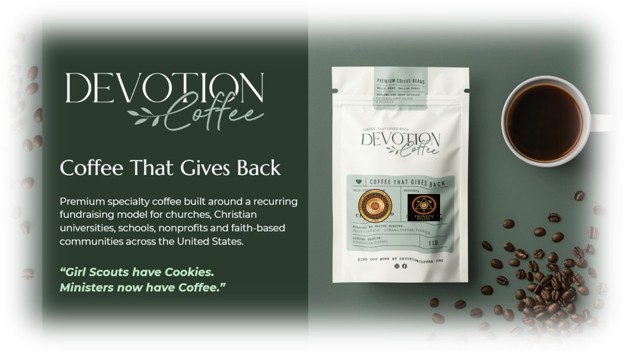 Coffee That Gives Back: How Devotion Coffee Could Reframe Christian FundraisingBy David James Dunworth
 Kevin Smith on Empathy Erosion, AI, and the Eight Parts of KindnessBy Baz Porter
 C-Suite TV · 22 minAI, Trust & Control: Preparing Your Business for the Agentic AI Era with Daniel Kenny
 C-Suite Radio · AI+HI ProjectChatGPT vs. Claude: Choosing the Right AI Tool for HR
 Chairman's Corner · Jeffrey HayzlettYour Best Performer Might Be Your Biggest Problem. And It’s Contagious.
Meet the founders, CEOs and operators behind stories like this one. Next reception: Dallas Executive Reception, Wed, Nov 18.
Attend as a guestMembership: $100/mo →